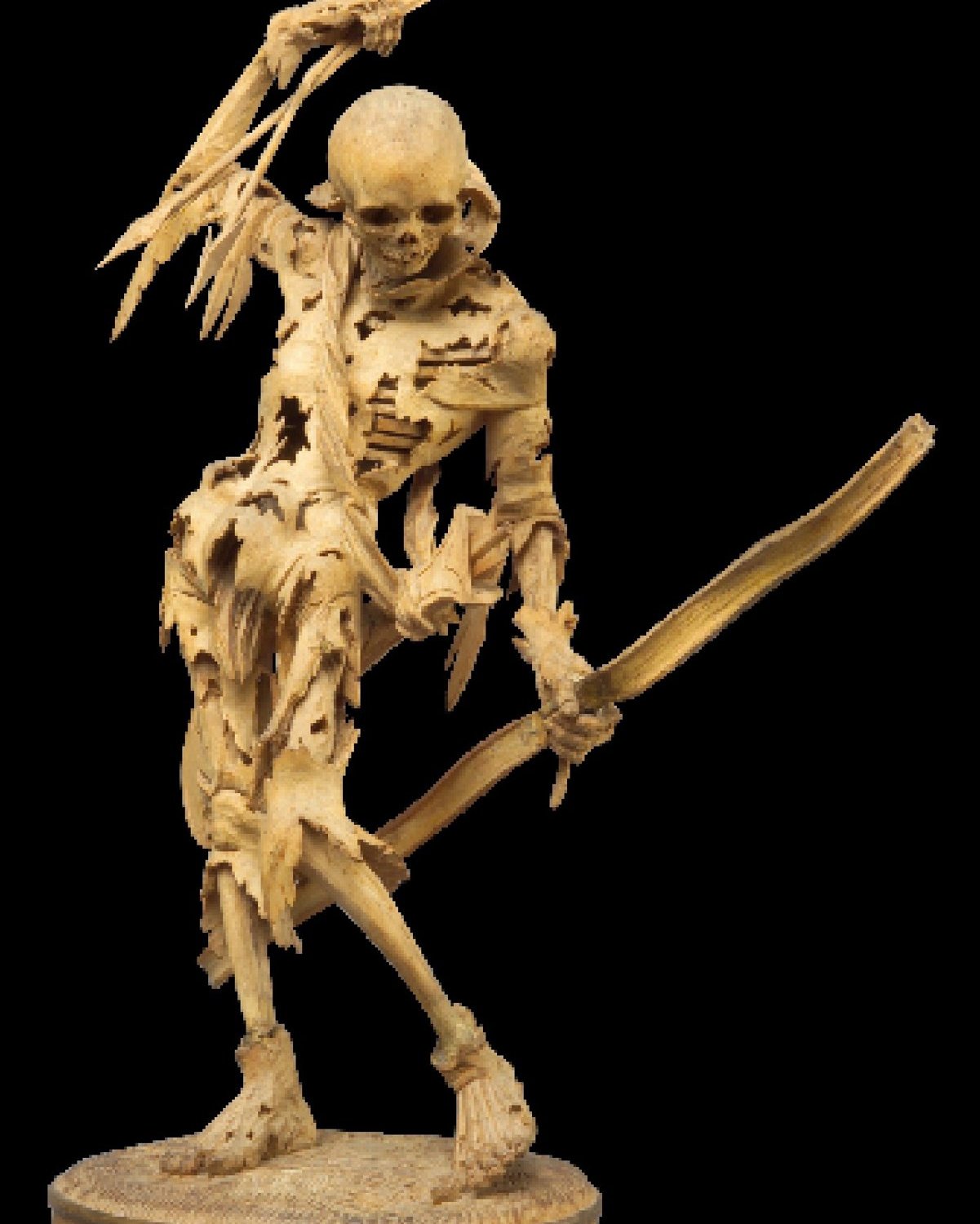
“It was like the awakening of Sleeping Beauty”. With these words, in his seminal Die Kunst- und Wunderkammern der Spätrenaissance (“Art and Curiosity Cabinets of the Late Renaissance”, 1908),¹ the Austrian art historian Julius von Schlosser recalled the great exhibition at the Belvedere of Vienna in 1815. The show, which took place during the same days as the famous Congress of Vienna, gave the masterpieces of the Ambras Collection in Innsbruck back to the eyes of the world. The choice of that metaphor borrowed from the world of fairy tales was quite appropriate. On one hand, because the blanket of oblivion that had shrouded the collection had lasted many years – like the enchanted sleep of the princess fatefully pricked by the spindle. On the other, because the magical aspect, alongside the curious and exotic, is one of the main motifs that lends coherence to the collection’s heterogeneous set of artworks, craft objects and wonders.
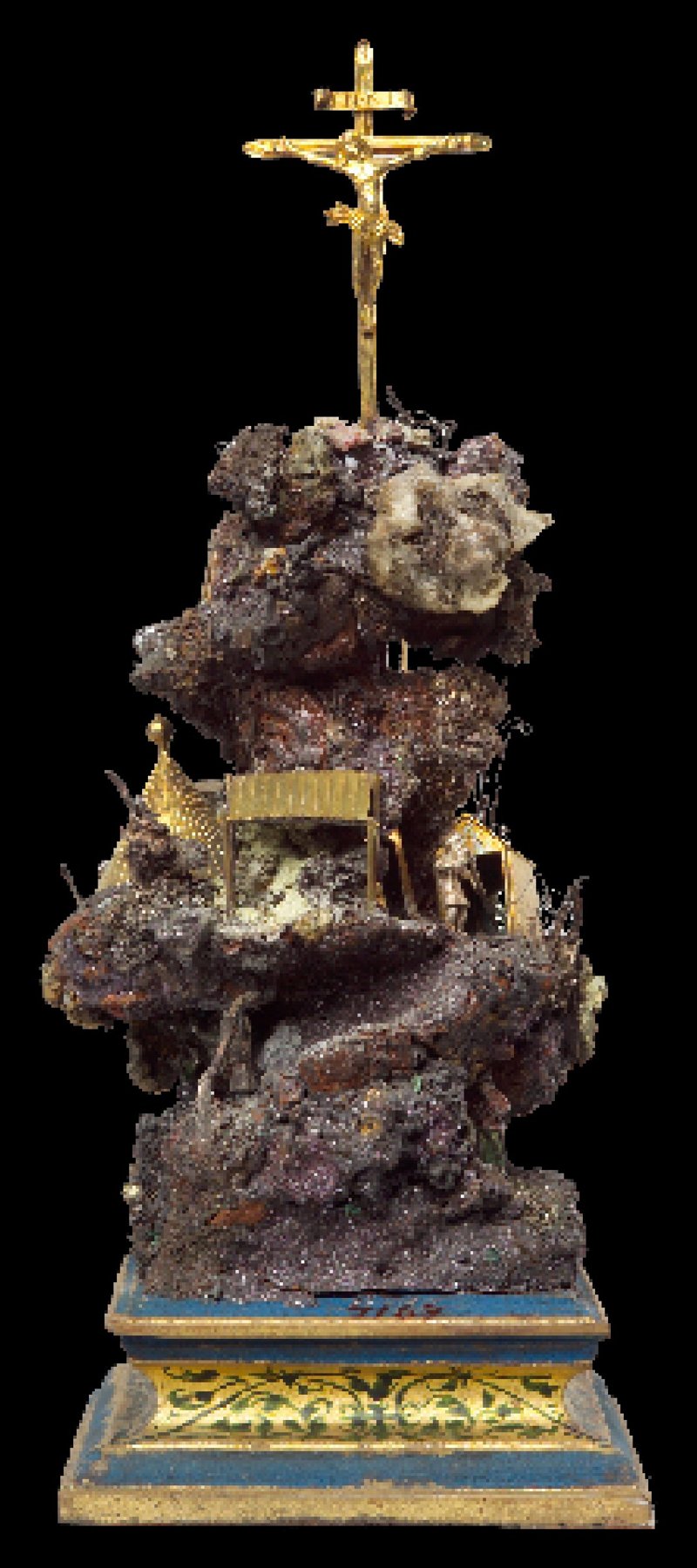
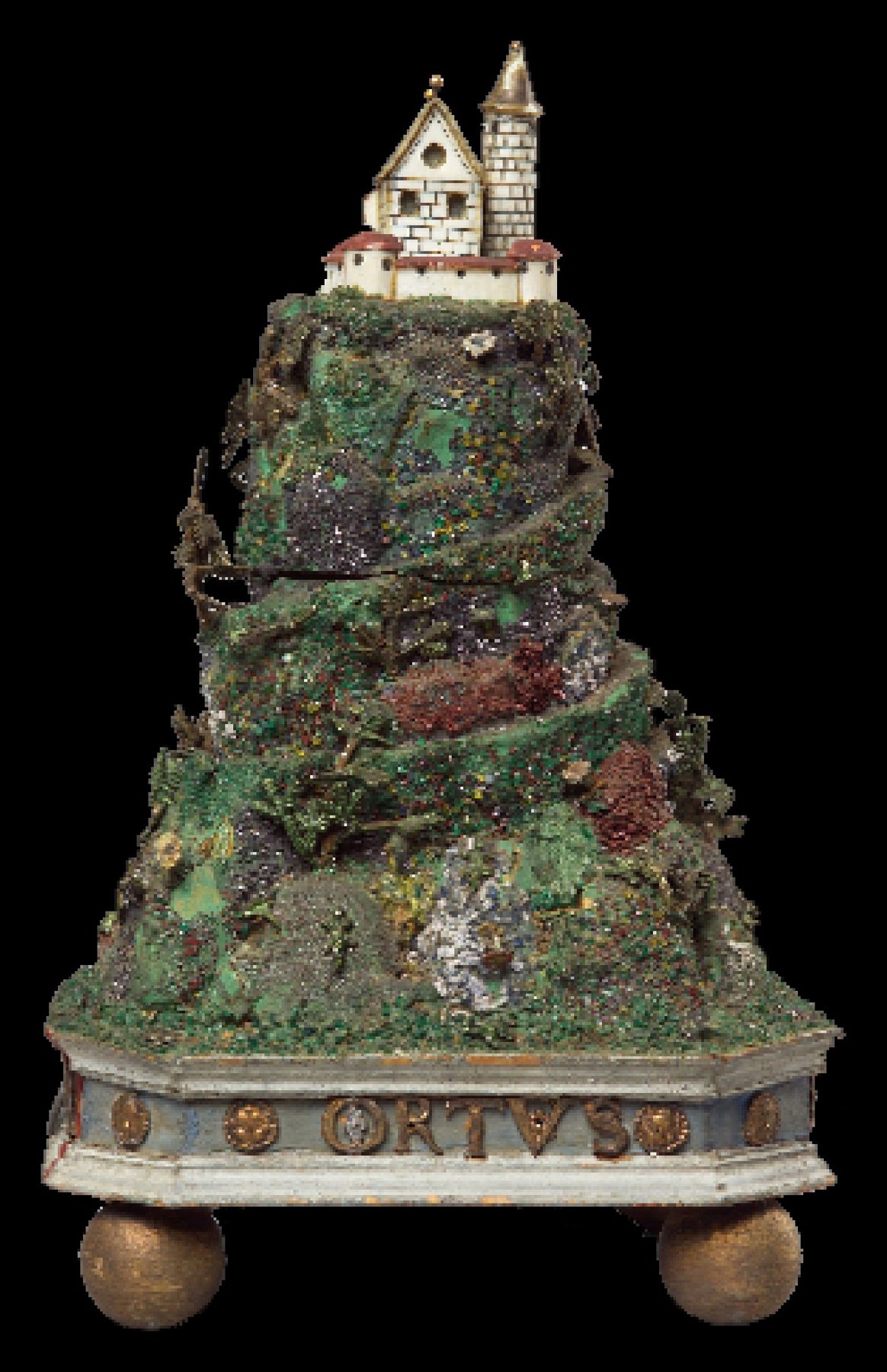
“In the second half of the 16th century, Archduke Ferdinand II (1529-1595) began collecting hundreds of strange and unusual objects within Ambras Castle, such as to arouse amazement and wonder in the spectators of his time. In this colorful Wunderkammer – populated by ancient terracotta, stone and clay vases; spotted feline coats, flamingo feathers and stuffed crocodiles; paintings and wooden sculptures in horn and mother-of-pearl; metal utensils, mosaics and stained-glass windows; clocks, mathematical tools, mechanical works of art; old musical instruments; Turkish, Chinese and Indian treasures and jewels and much more – a special place was reserved for objects surrounded by an aura of magic”, explains Veronika Sandbichler, today director of the Ambras Castle Museum.
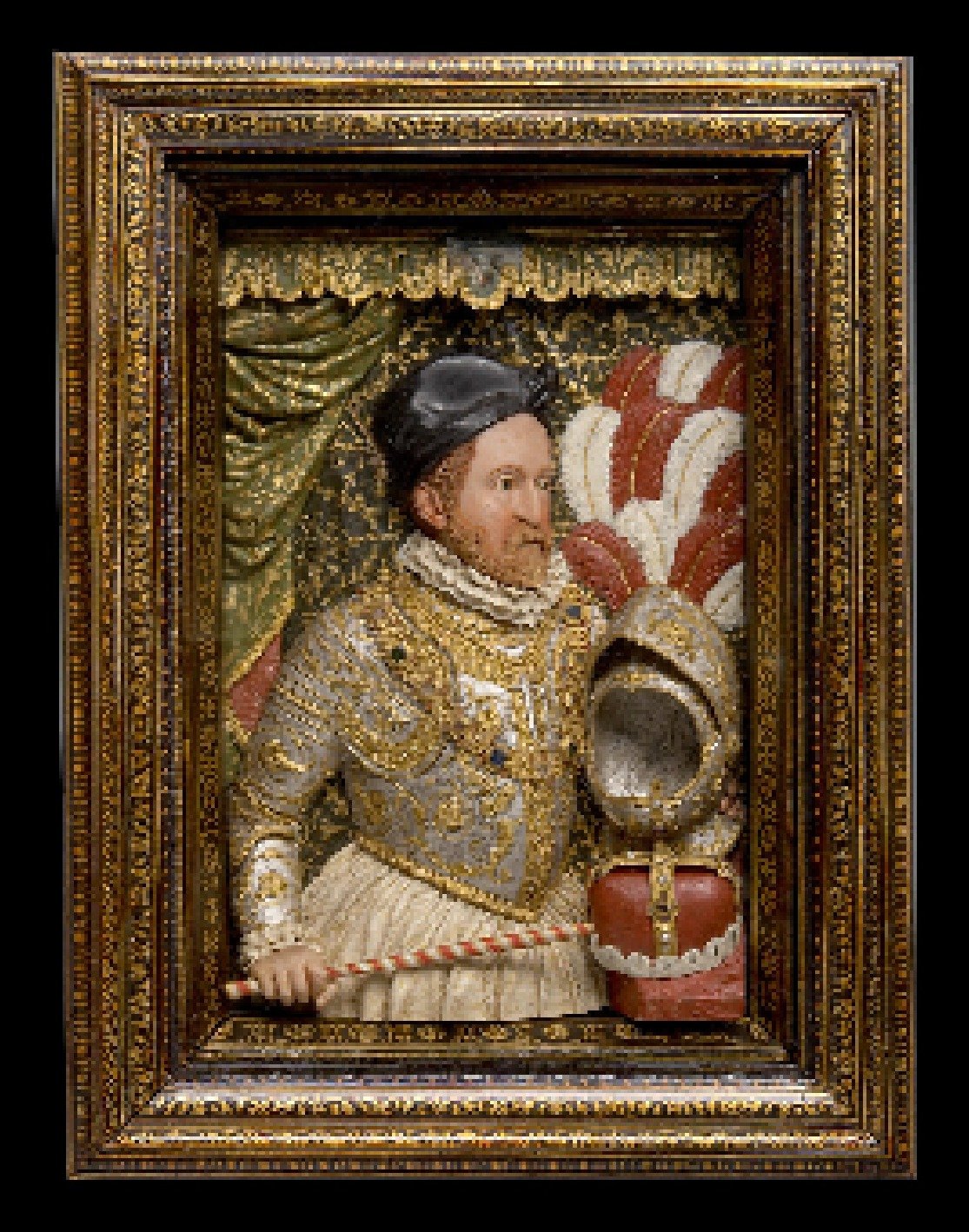
“First of all, there’s the skull of a 22-horned deer, inexplicably surrounded by a massive oak trunk, almost as if, due to a spell, the animal had been spawned inside it. Then there are countless bones and claws of ‘dragons’ and other phantom monsters, both marine and terrestrial. No less enigmatic, to Renaissance eyes, were the three oil portraits depicting a family with hypertrichosis, father, son and daughter, with their faces entirely covered in hair. What curse – as was wondered at the time – had forged those ghastly hybrid creatures, half man, half beast?” The Ambras Collection – which in addition to its famous Chamber of Art and Wonders also included one of the greatest collections of armor and oil portraits – had been painstakingly transported to Vienna from Innsbruck a few years earlier, in 1806, to protect it from looting by the Napoleonic troops who were rapidly advancing on the Eastern Front. “Since 1882 the collection has once again been relocated to Ambras Castle and mounted in a display that is as faithful as possible to the original, bearing in mind that numerous objects have been lost or stolen over the centuries”, laments Sandbichler. Other highlights of the collection, such as an admirable rock-crystal salt shaker, the work of Benvenuto Cellini, remained in Vienna, to then merge into the collection of the Kunsthistorisches Museum, where they can still be admired today. “Even in this ‘lighter’ version, the Ambras Collection remains an impressive monument to the unquenchable thirst for knowledge of its cultured and sensitive founder. Ferdinand II was driven by an encyclopedic inspiration that was out of the ordinary for his time. The ambitious idea behind his Chamber of Art and Wonders was to create an as complete as possible representation of the immense vastness of human knowledge in the intimacy of his castle. It’s no coincidence that the collection was located in the immediate vicinity of an extensive library, so as to engender a fruitful symbiotic relationship between the objects and the knowledge contained in the pages of the books”.
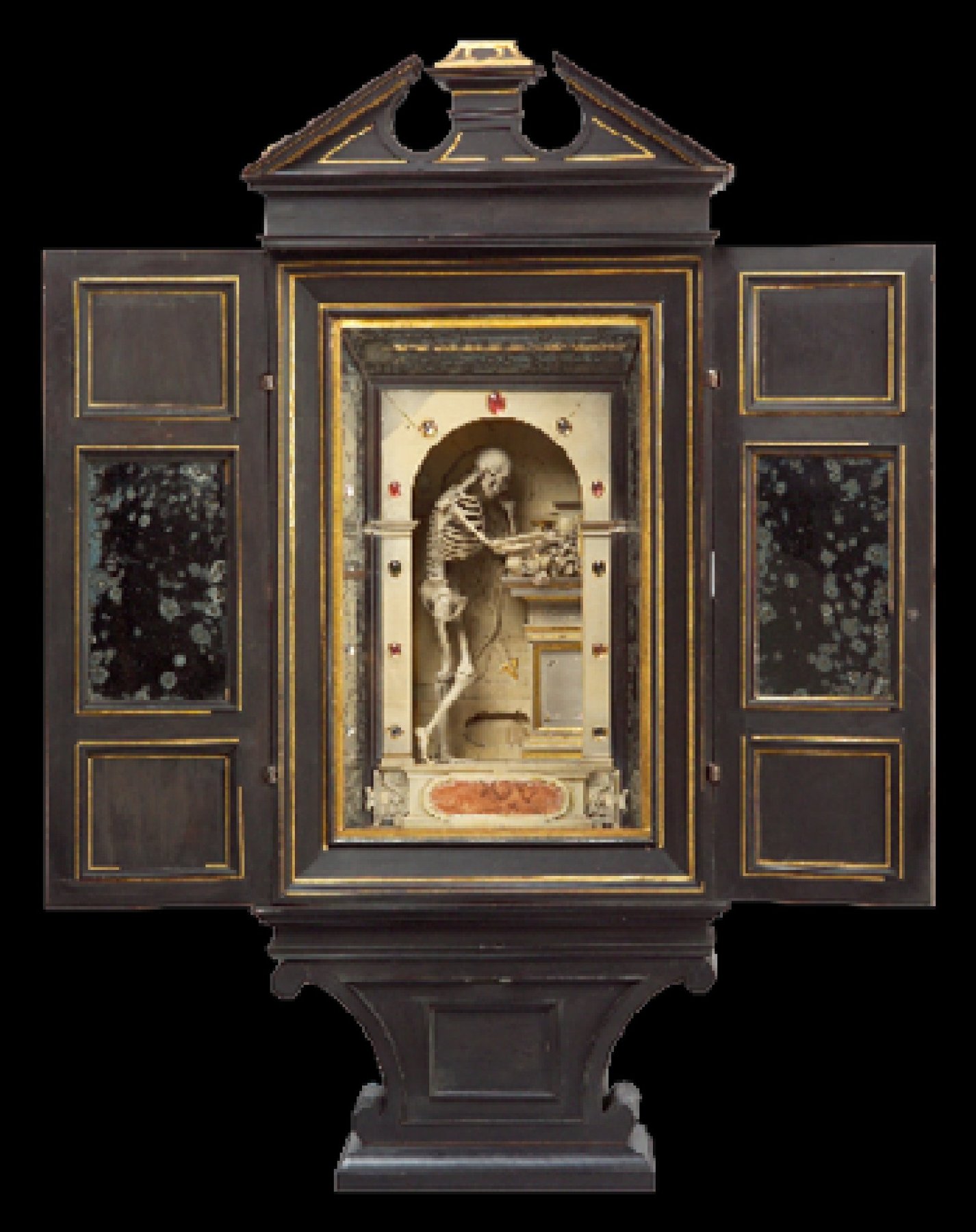
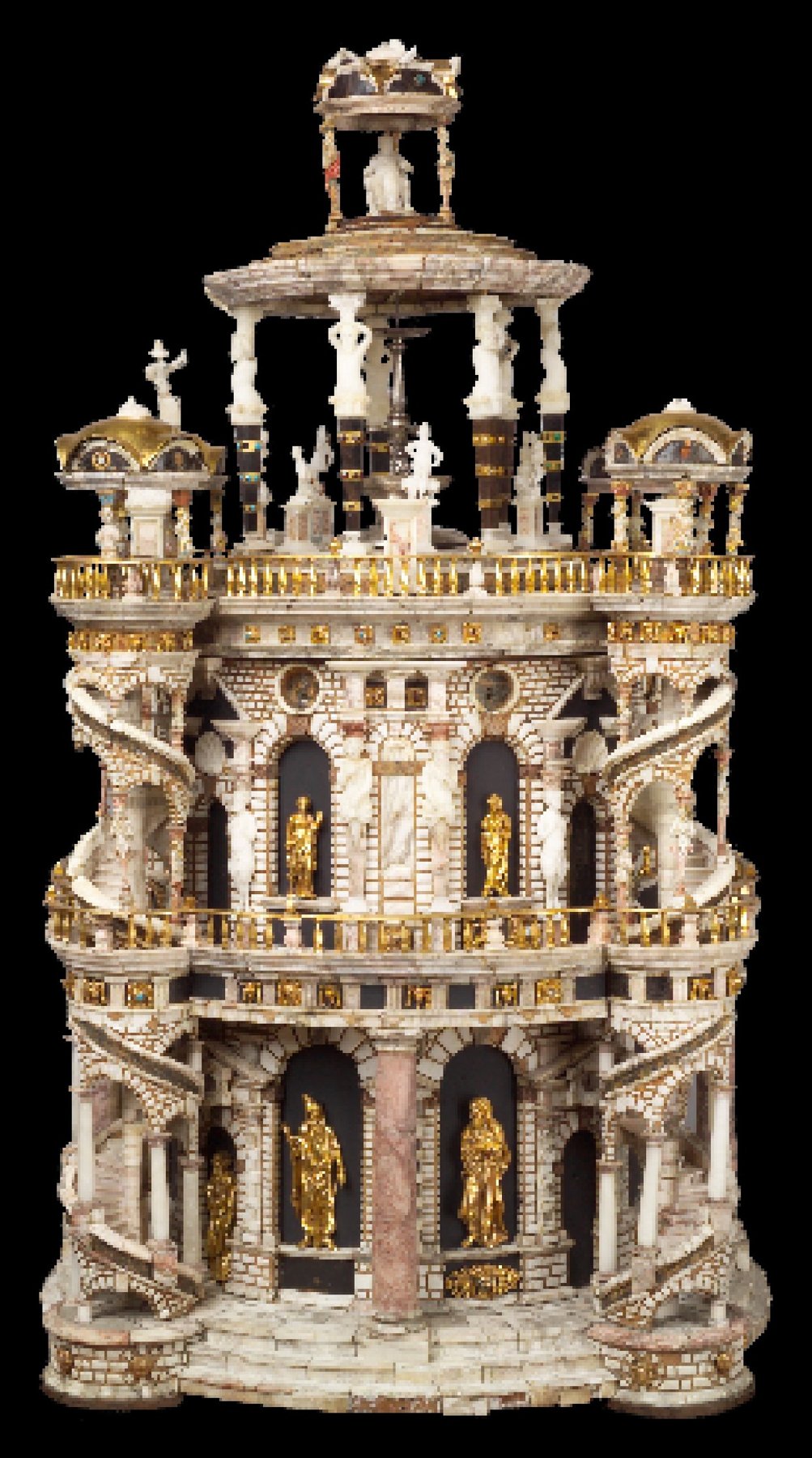
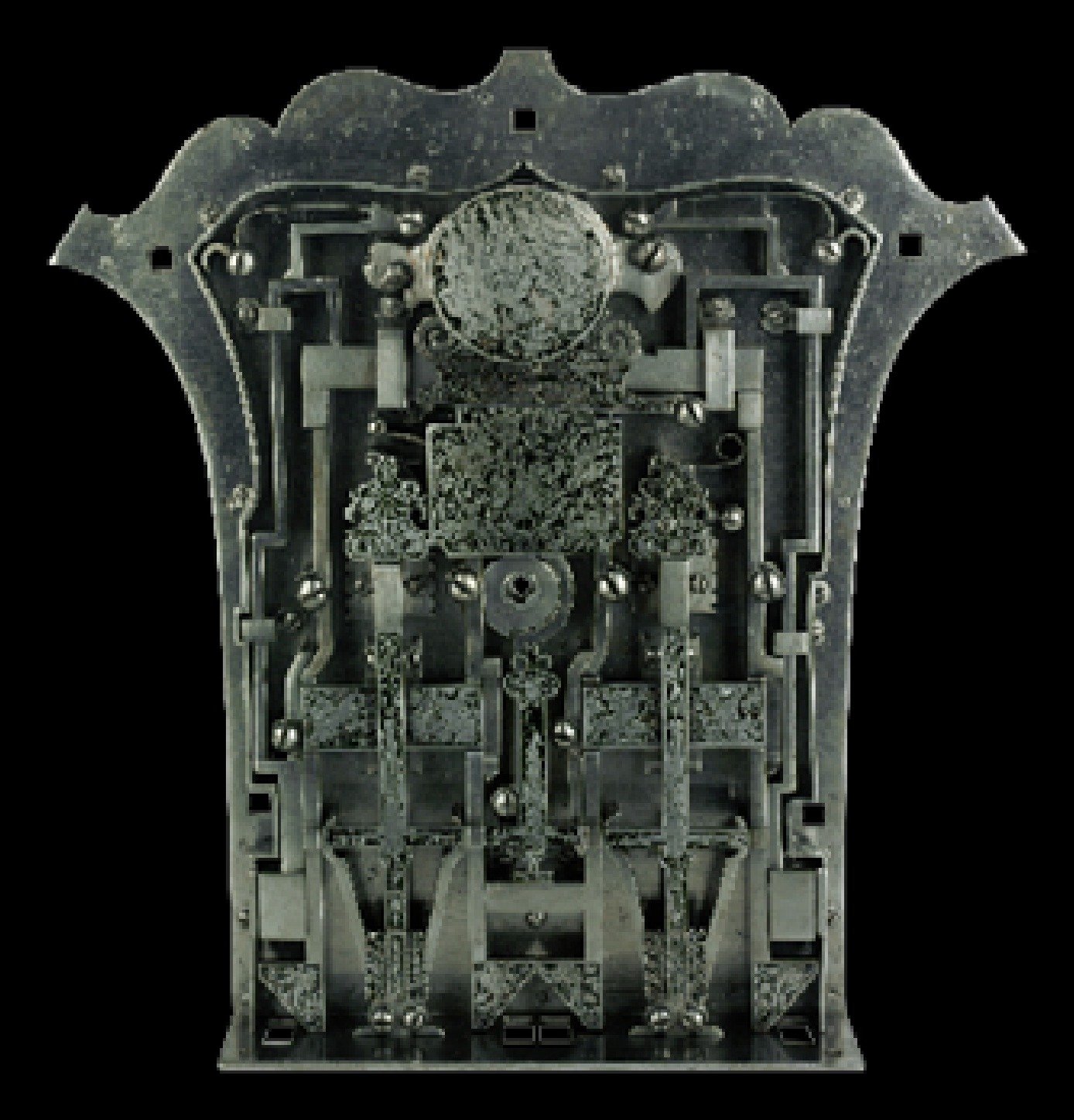
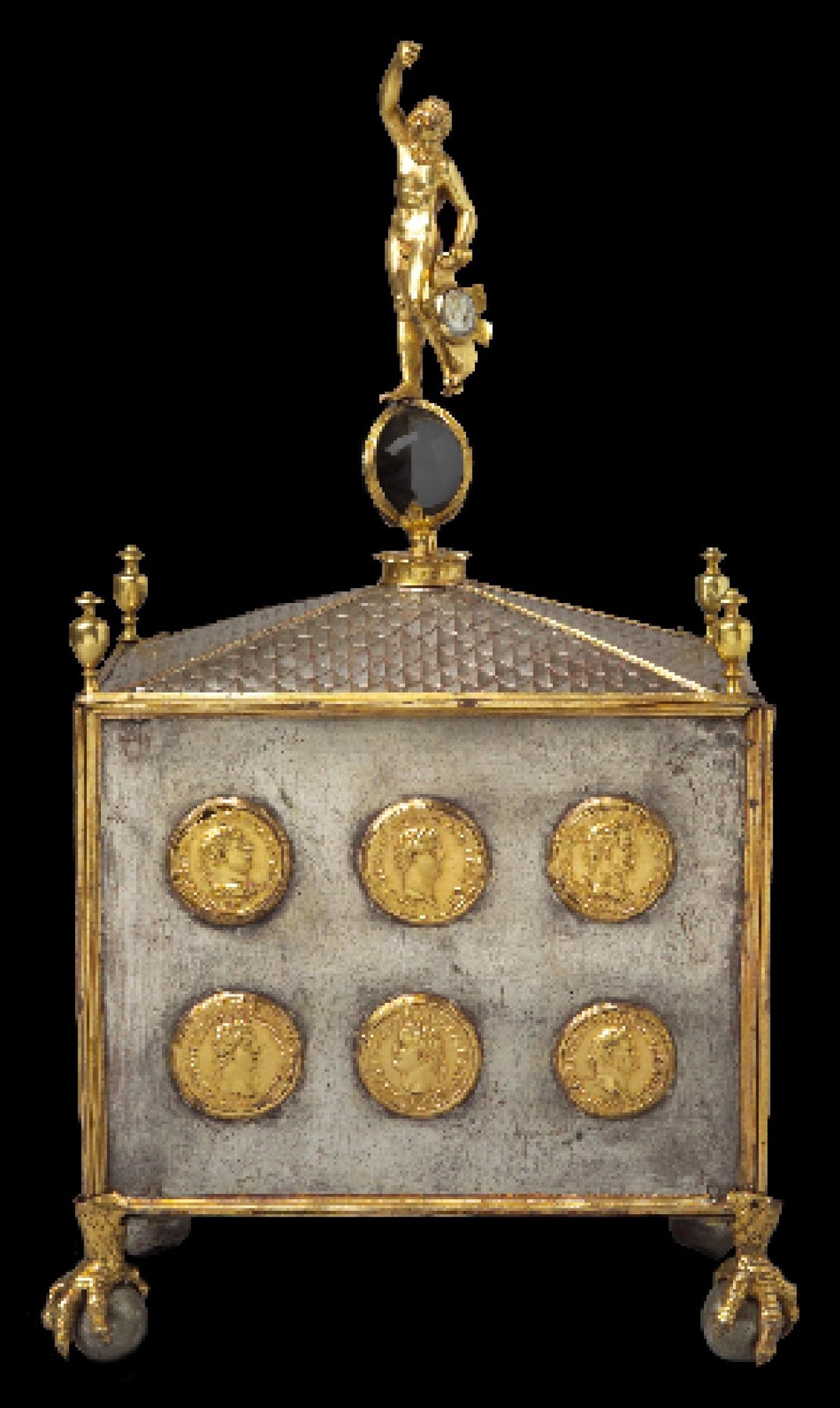
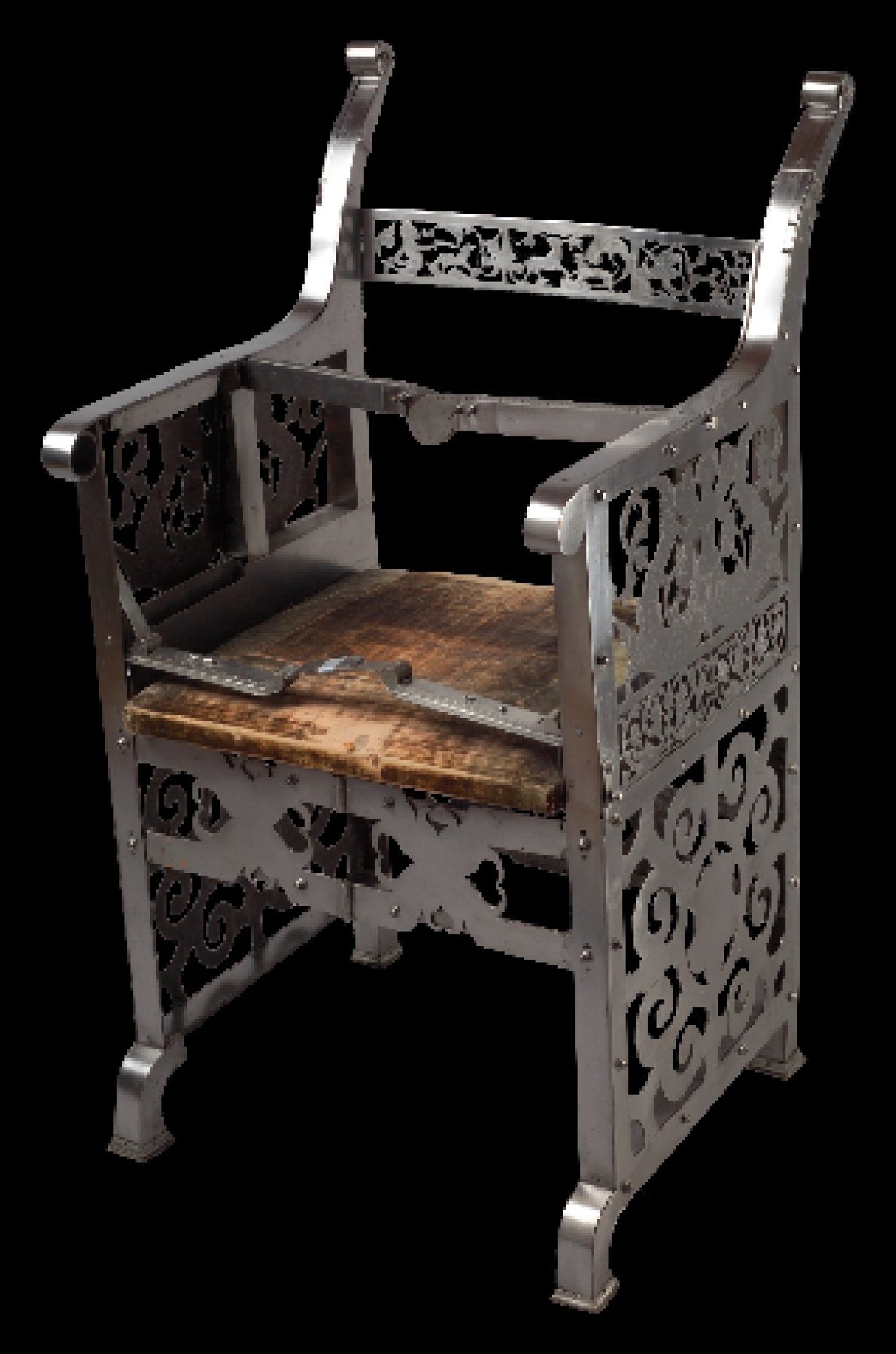
Much like the collection, the library is also out of the ordinary. Indeed, Schlosser described it as “the most significant of its time”. As Sandbichler confirms: “He wasn’t exaggerating. The library boasted 4,000 volumes, almost all elegantly leather-bound and neatly subdivided by subject: law, medicine, history and applied arts… The collection, moreover, which even at the time of its founder was already linked to an inventory, was subject to precise taxonomic criteria, and was far better organized than other contemporary collections. It was divided into 17 cabinets, each dedicated to a different category of objects”. One of these showcases, Schlosser informs us, contained crystal vases, many of which decorated with gold finishes and images of dragons and other fanciful animals. Another had a display of musical instruments, and another contained mechanical clocks, astronomical, optical and mathematical instruments (such as astrolabes and compasses). Then there were cabinets devoted to iron works (including locks – notes the historian – “that were so elaborate they could not be opened with any key”); ceramics, weapons, and a showcase entirely given over to illuminated manuscripts. Two other cabinets were dedicated to “curiosities”. These particularly unusual artifacts included mosaics of hummingbird feathers and countless secular relics, such as a piece of the rope with which Judas hanged himself, or a pine cone of the cedars of Lebanon that served to build the temple of Solomon. As Schlosser observes, these objects “clearly reveal the period’s fantastic and superstitious character, which lay beneath the surface of humanistic learning”.
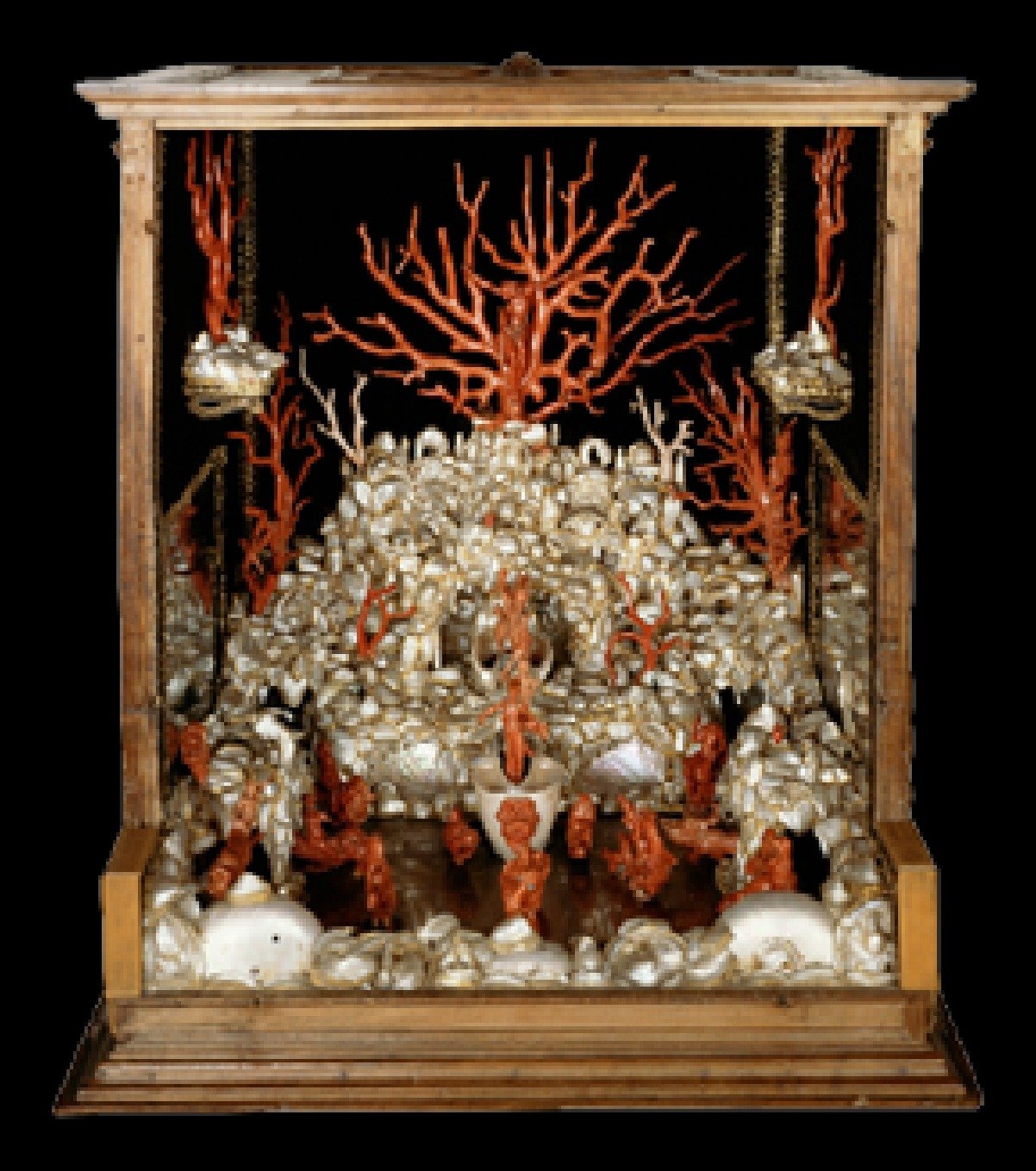
Subsequently one finds one of the collection’s undisputed treasures: the Coral Cabinet. “The archduke could claim to be one of the greatest coral collectors of his time. Even today, Ambras Castle houses the world’s largest collection of 16th-century coral works”, says Sandbichler. “Among the most valuable, there’s a chalice made from an ostrich egg topped with a coral ornament, and a small cabinet featuring two doors decorated with sea monsters carved in coral. During the Renaissance, coral was a highly sought-after and expensive material, especially due to the aura of mystery surrounding it. Was it a mineral or plant species? Or maybe a fragment of the horns of a monster from the depths? Also fascinating was the ancient myth of its creation, told by Ovid in the Metamorphoses, according to which it was generated by drops of blood that fell into the sea when Perseus beheaded Medusa with his diamond sickle”.
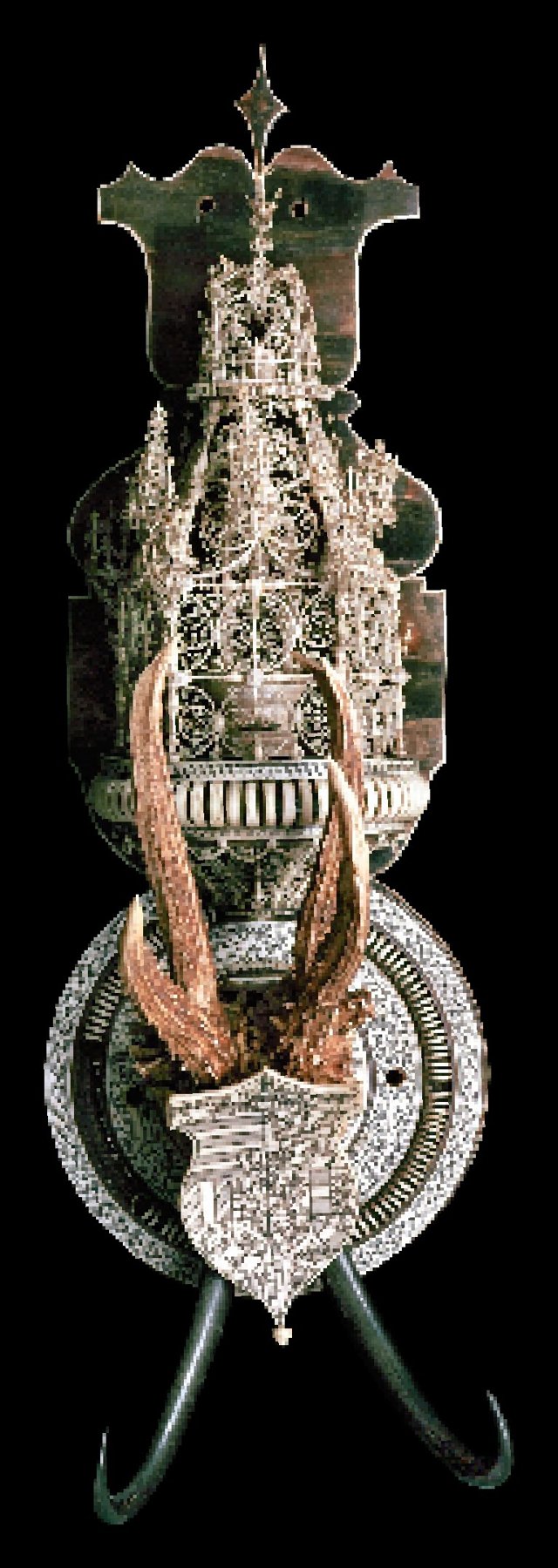
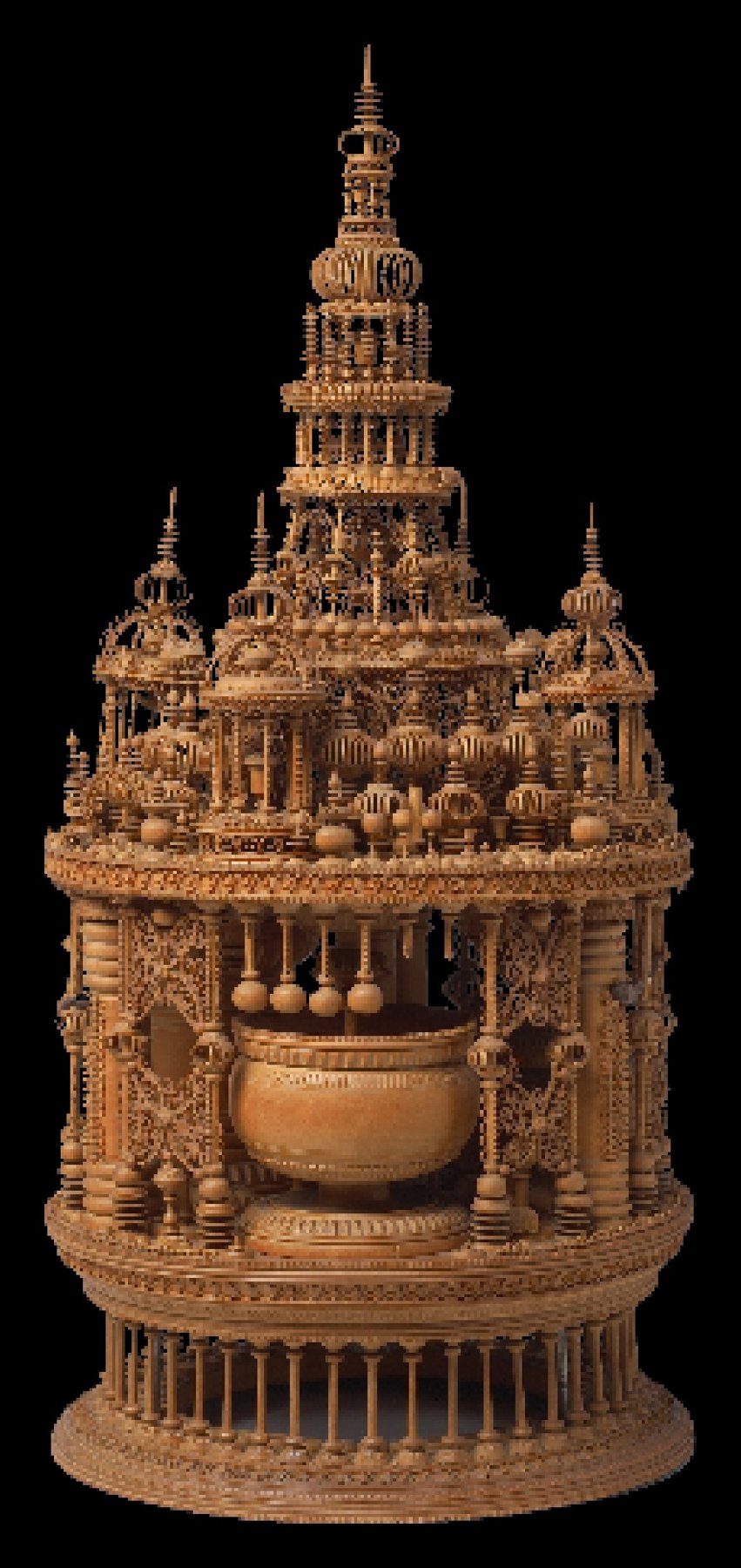
Along with coral, ivory and rhinoceros horn, one also comes across exotic materials that were very popular in the princely courts of the time. “In those years the world began to be discovered. Portuguese vessels started bringing goods and items from Africa, Asia and South America that had never been seen in Europe, which aroused immense curiosity. These were the so-called ‘exotica’: exotic handcrafted objects, such as a beautiful ivory oliphant and a rhinoceros horn shaped into a cup, rightly considered two of the finest finds in the entire collection. But there were also colorful feathers of tropical birds, or stuffed animals belonging to species that were unknown on the Old Continent. In an age when there was no such thing as zoos, European spectators were literally flabbergasted by these strange beasts originating from mysterious, distant and still largely unexplored worlds”. These works of taxidermy intentionally created a spectacular backdrop to the archduke’s “museum”: rare and exotic stuffed animals of all kinds – “such as snakes, crocodiles and birds” hung from the ceiling – “in gaily colored confusion”, writes Schlosser, “arranged above the 17 cabinets. Everything was embellished with a further sprinkling of magic thanks to the scattered presence of horns belonging to what at the time were little-known animals, such as the rostrum of a sawfish. These anatomical accoutrements were thought to belong to ferocious monsters, and the bones of dinosaurs and other prehistoric creatures, catalogued in the inventory as the ‘bones of giants’”.
¹ To date only translated into Italian (under the title Raccolte d’arte e di meraviglie, 1974), Schlosser’s volume is due to be printed in an English edition published by the Getty Research Institute, Los Angeles (January 19, 2021).
Interview text by Michele Fossi
Published in My Favorite Things, n. 001, 2020

