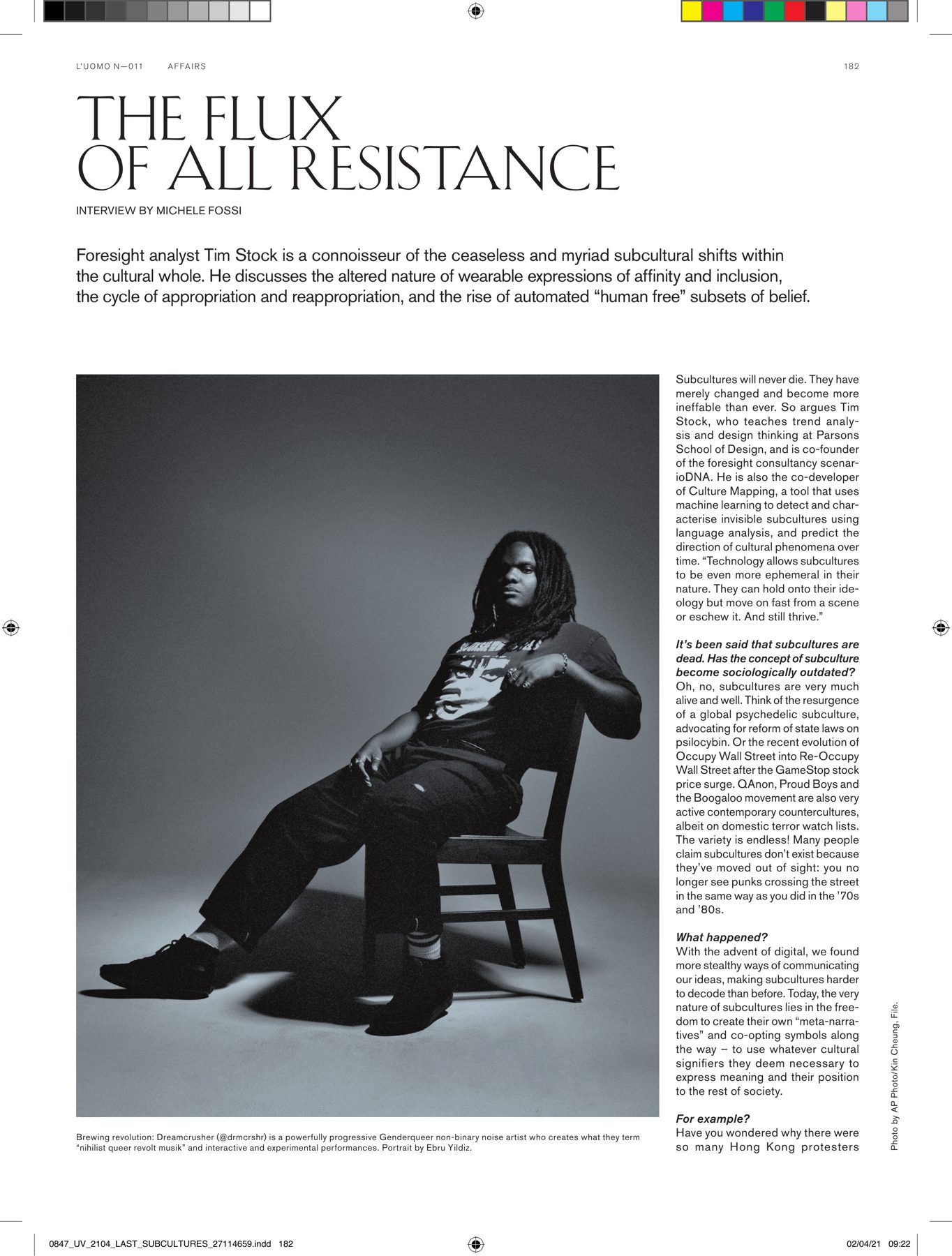
Foresight analyst Tim Stock is a connoisseur of the ceaseless and myriad subcultural shifts within the cultural whole. He discusses the altered nature of wearable expressions of affinity and inclusion, the cycle of appropriation and reappropriation, and the rise of automated “human free” subsets of belief.
Subcultures will never die. They have merely changed and become more ineffable than ever. So argues Tim Stock, who teaches trend analysis and design thinking at Parsons School of Design, and is co-founder of the foresight consultancy scenarioDNA. He is also the co-developer of Culture Mapping, a tool that uses machine learning to detect and characterise invisible subcultures using language analysis, and predict the direction of cultural phenomena over time. “Technology allows subcultures to be even more ephemeral in their nature. They can hold onto their ideology but move on fast from a scene or eschew it. And still thrive.”
It’s been said that subcultures are dead. Has the concept of subculture become sociologically outdated?
Oh, no, subcultures are very much alive and well. Think of the resurgence of a global psychedelic subculture, advocating for reform of state laws on psilocybin. Or the recent evolution of Occupy Wall Street into Re-Occupy Wall Street after the GameStop stock price surge. QAnon, Proud Boys and the Boogaloo movement are also very active contemporary countercultures, albeit on domestic terror watch lists. The variety is endless! Many people claim subcultures don’t exist because they’ve moved out of sight: you no longer see punks crossing the street in the same way as you did in the ’70s and ’80s.
What happened?
With the advent of digital, we found more stealthy ways of communicating our ideas, making subcultures harder to decode than before. Today, the very nature of subcultures lies in the freedom to create their own “meta-narratives” and co-opting symbols along the way – to use whatever cultural signifiers they deem necessary to express meaning and their position to the rest of society.
For example?
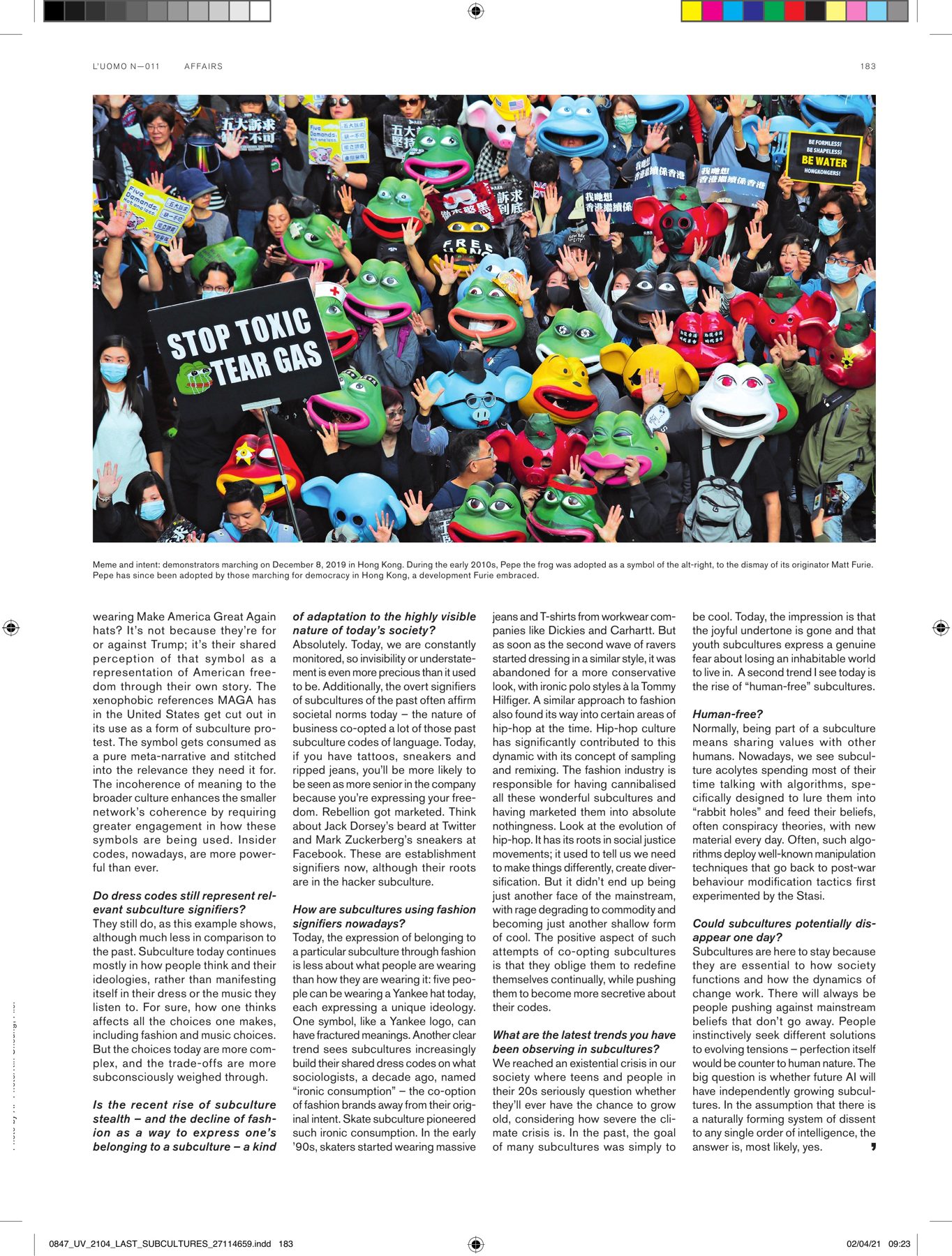
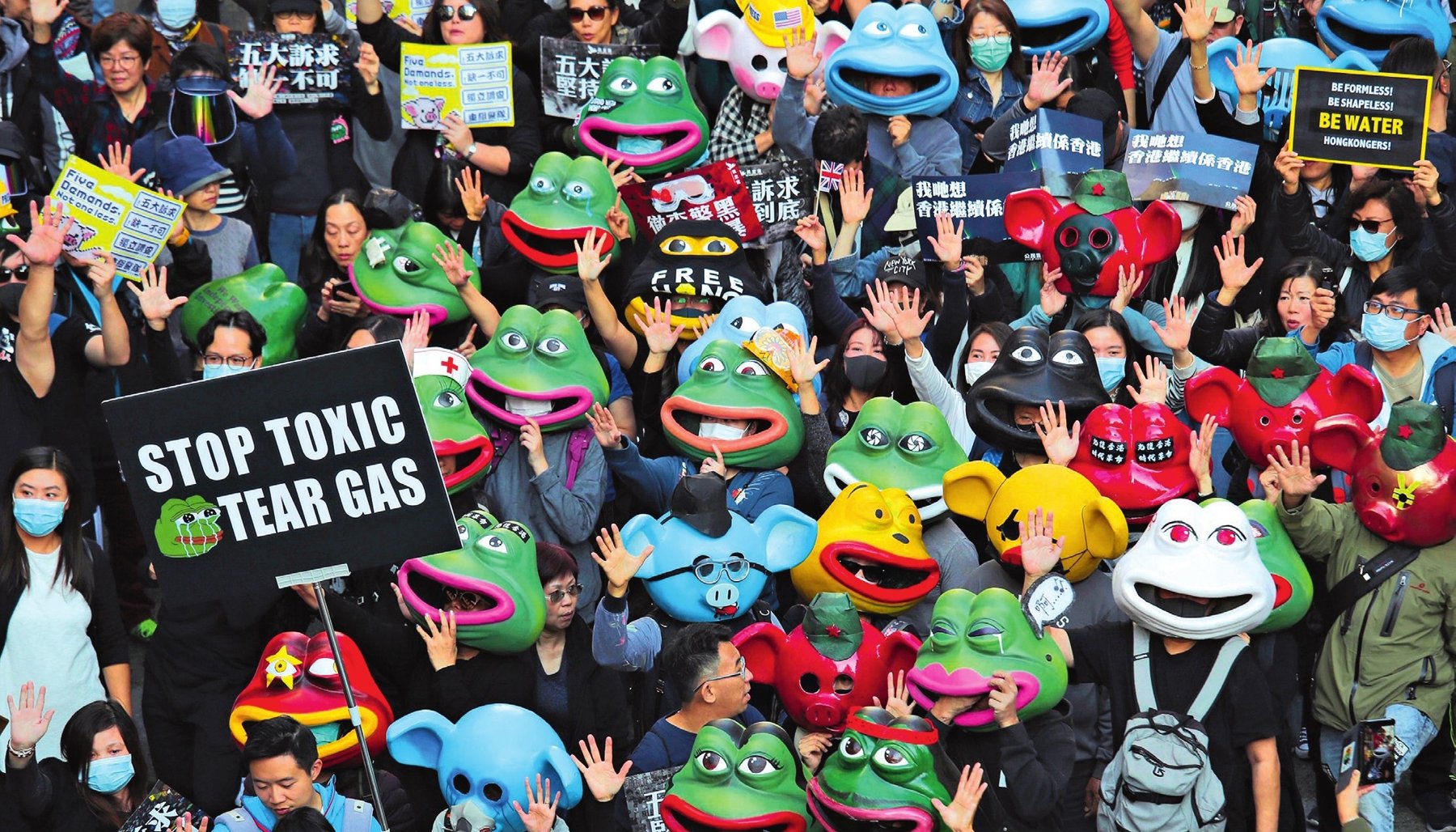
Have you wondered why there were so many Hong Kong protesters wearing Make America Great Again hats? It’s not because they’re for or against Trump; it’s their shared perception of that symbol as a representation of American freedom through their own story. The xenophobic references MAGA has in the United States get cut out in its use as a form of subculture protest. The symbol gets consumed as a pure meta-narrative and stitched into the relevance they need it for. The incoherence of meaning to the broader culture enhances the smaller network’s coherence by requiring greater engagement in how these symbols are being used. Insider codes, nowadays, are more powerful than ever.
Do dress codes still represent relevant subculture signifiers?
They still do, as this example shows, although much less in comparison to the past. Subculture today continues mostly in how people think and their ideologies, rather than manifesting itself in their dress or the music they listen to. For sure, how one thinks affects all the choices one makes, including fashion and music choices. But the choices today are more complex, and the trade-offs are more subconsciously weighed through.
Is the recent rise of subculture stealth – and the decline of fashion as a way to express one’s belonging to a subculture – a kind of adaptation to the highly visible nature of today’s society?
Absolutely. Today, we are constantly monitored, so invisibility or understatement is even more precious than it used to be. Additionally, the overt signifiers of subcultures of the past often affirm societal norms today – the nature of business co-opted a lot of those past subculture codes of language. Today, if you have tattoos, sneakers and ripped jeans, you’ll be more likely to be seen as more senior in the company because you’re expressing your freedom. Rebellion got marketed. Think about Jack Dorsey’s beard at Twitter and Mark Zuckerberg’s sneakers at Facebook. These are establishment signifiers now, although their roots are in the hacker subculture.
How are subcultures using fashion signifiers nowadays?
Today, the expression of belonging to a particular subculture through fashion is less about what people are wearing than how they are wearing it: five people can be wearing a Yankee hat today, each expressing a unique ideology. One symbol, like a Yankee logo, can have fractured meanings. Another clear trend sees subcultures increasingly build their shared dress codes on what sociologists, a decade ago, named “ironic consumption” – the co-option of fashion brands away from their original intent. Skate subculture pioneered such ironic consumption. In the early ’90s, skaters started wearing massive jeans and T-shirts from workwear companies like Dickies and Carhartt. But as soon as the second wave of ravers started dressing in a similar style, it was abandoned for a more conservative look, with ironic polo styles à la Tommy Hilfiger. A similar approach to fashion also found its way into certain areas of hip-hop at the time. Hip-hop culture has significantly contributed to this dynamic with its concept of sampling and remixing. The fashion industry is responsible for having cannibalised all these wonderful subcultures and having marketed them into absolute nothingness. Look at the evolution of hip-hop. It has its roots in social justice movements; it used to tell us we need to make things differently, create diversification. But it ended up being just another face of the mainstream, with rage degrading to commodity and becoming just another shallow form of cool. The positive aspect of such attempts of co-opting subcultures is that they oblige them to redefine themselves continually, while pushing them to become more secretive about their codes.
What are the latest trends you have been observing in subcultures?
We reached an existential crisis in our society where teens and people in their 20s seriously question whether they’ll ever have the chance to grow old, considering how severe the climate crisis is. In the past, the goal of many subcultures was simply to be cool. Today, the impression is that the joyful undertone is gone and that youth subcultures express a genuine fear about losing an inhabitable world to live in. A second trend I see today is the rise of “human-free” subcultures.
Human-free?
Normally, being part of a subculture means sharing values with other humans. Nowadays, we see subculture acolytes spending most of their time talking with algorithms, specifically designed to lure them into “rabbit holes” and feed their beliefs, often conspiracy theories, with new material every day. Often, such algorithms deploy well-known manipulation techniques that go back to post-war behaviour modification tactics first experimented by the Stasi.
Could subcultures potentially disappear one day?
Subcultures are here to stay because they are essential to how society functions and how the dynamics of change work. There will always be people pushing against mainstream beliefs that don’t go away. People instinctively seek different solutions to evolving tensions – perfection itself would be counter to human nature. The big question is whether future AI will have independently growing subcultures. In the assumption that there is a naturally forming system of dissent to any single order of intelligence, the answer is, most likely, yes.
Read also: Il ritorno delle sottoculture, a later interview with Tim Stock for Vogue Italia (2022, in Italian).
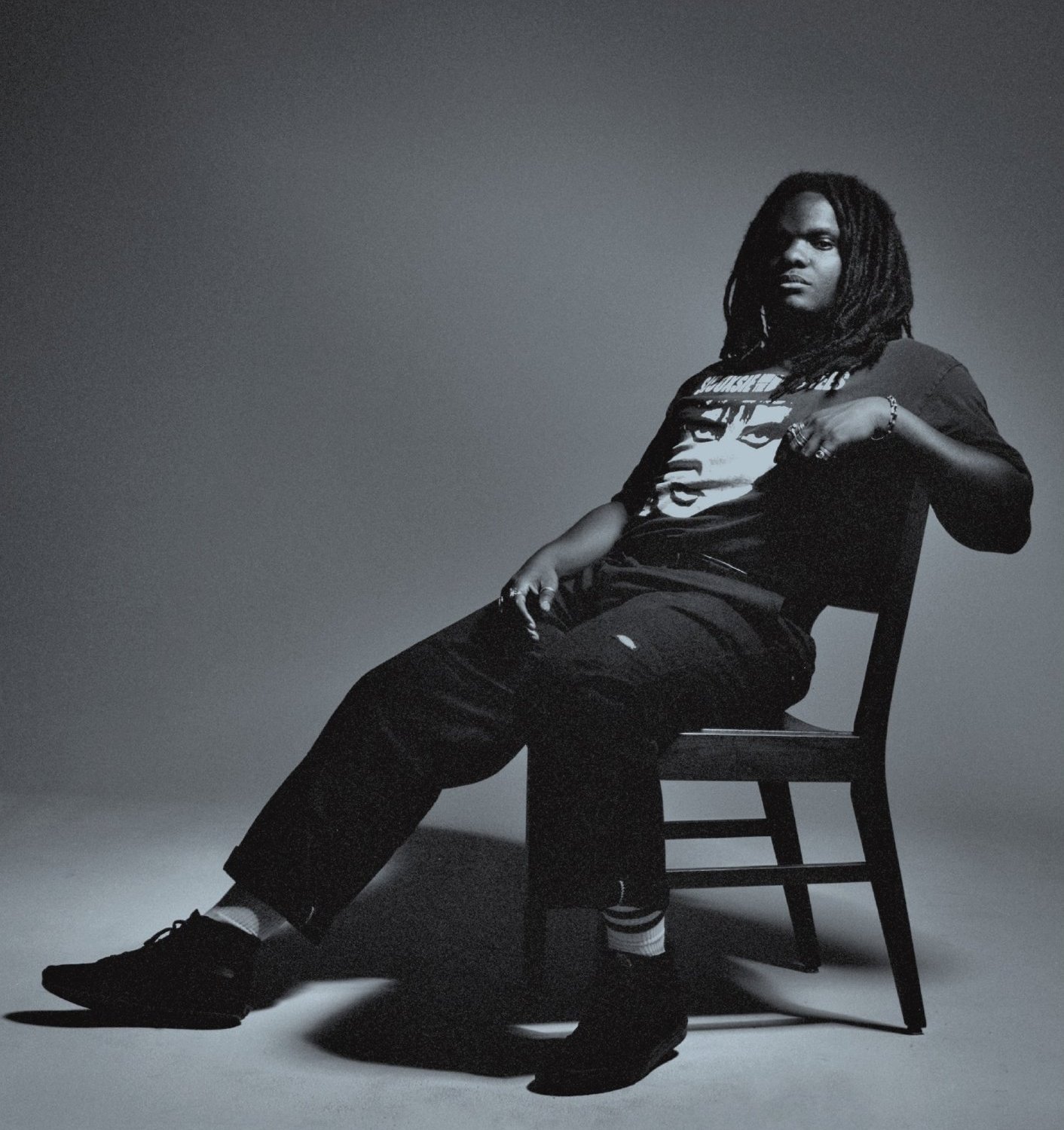
Portrait Ebru Yildiz · Photo AP Photo/Kin Cheung, File
By Michele Fossi
Published in L’Uomo Vogue, April 2021