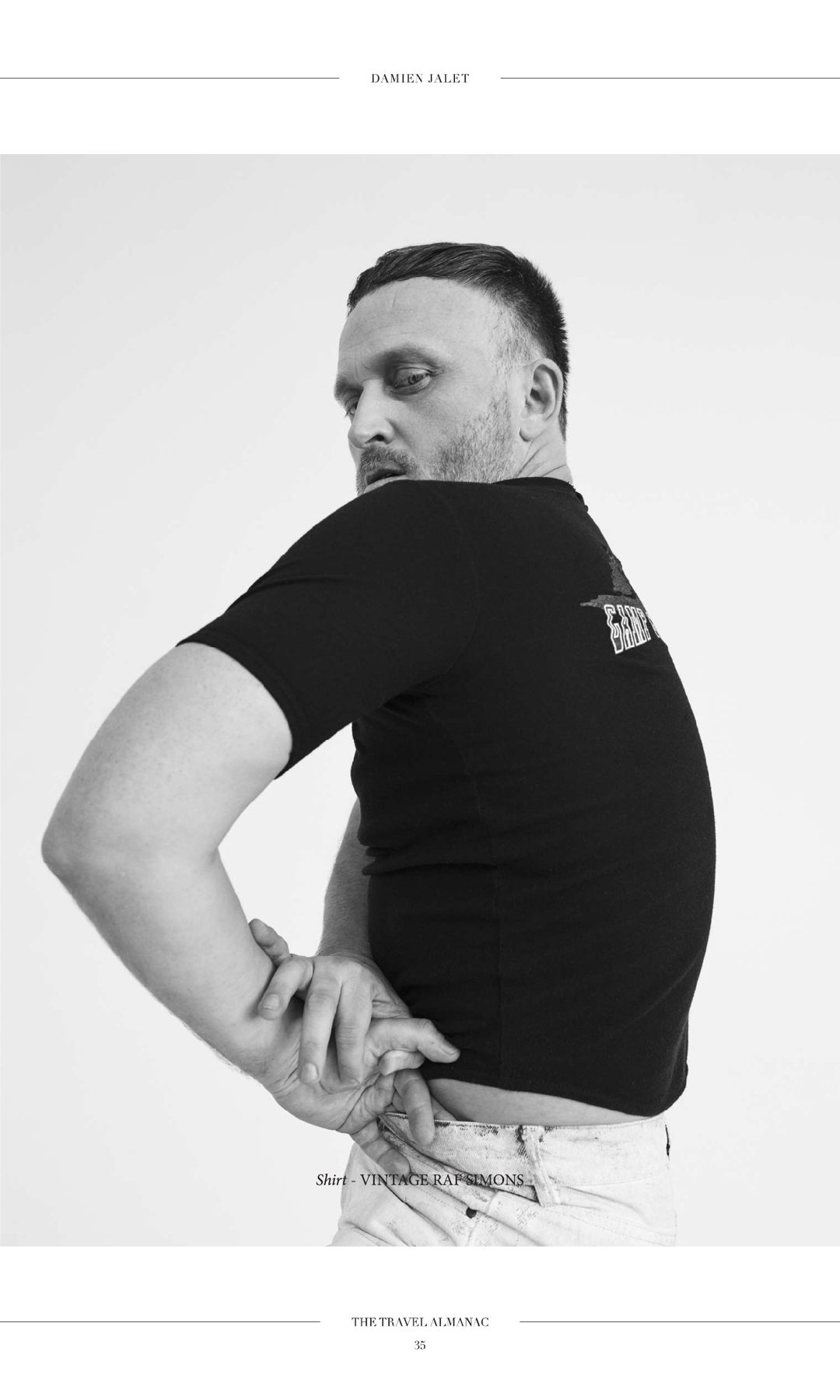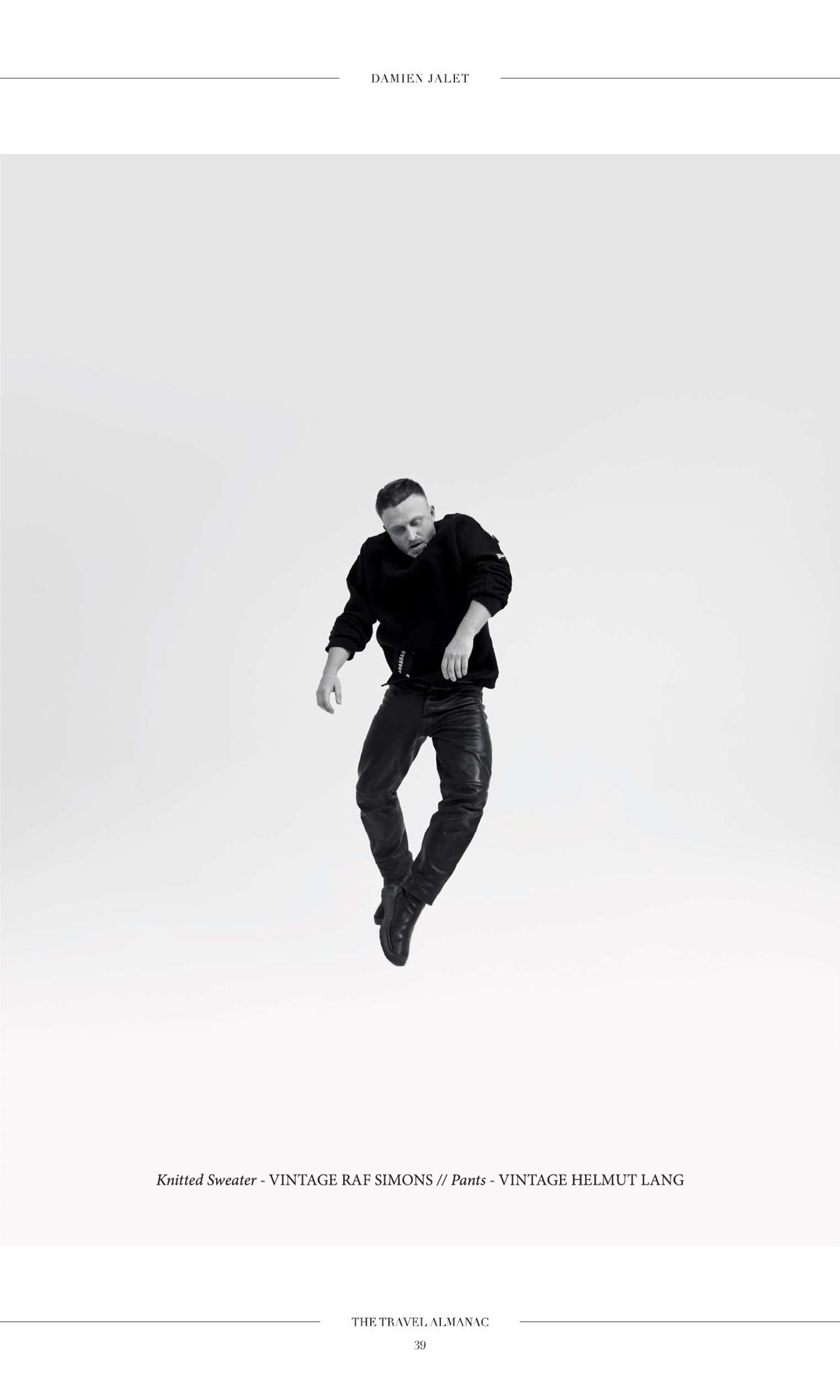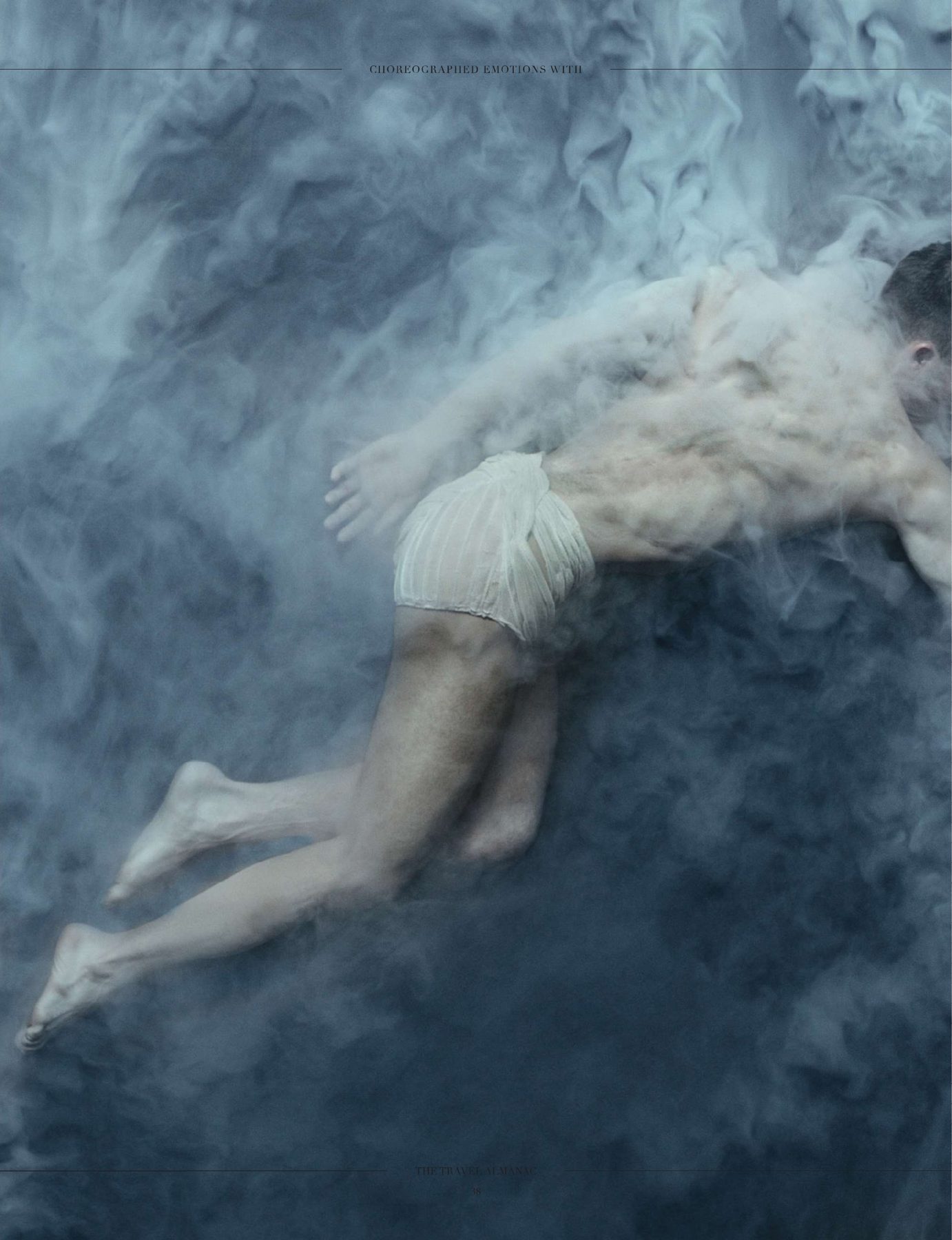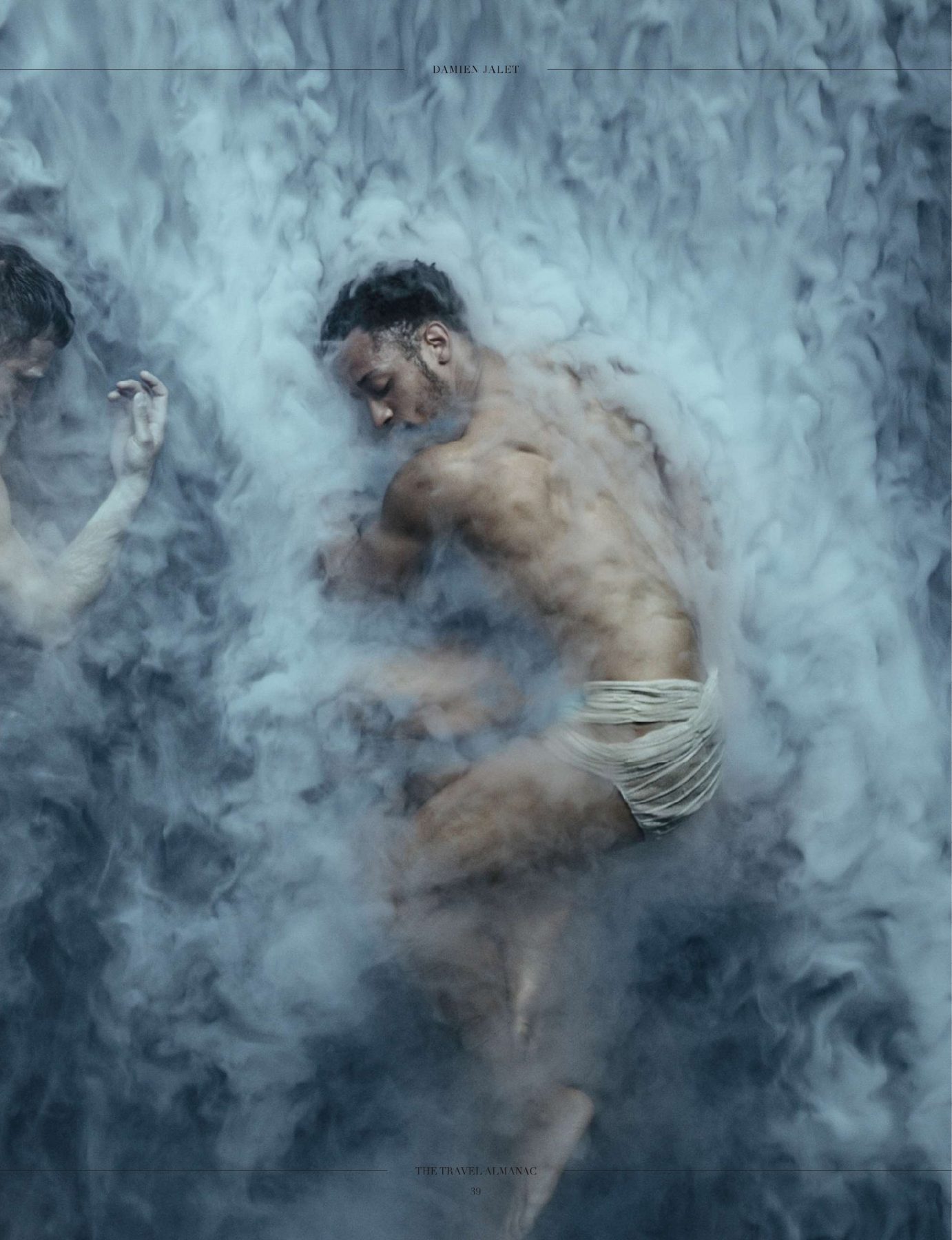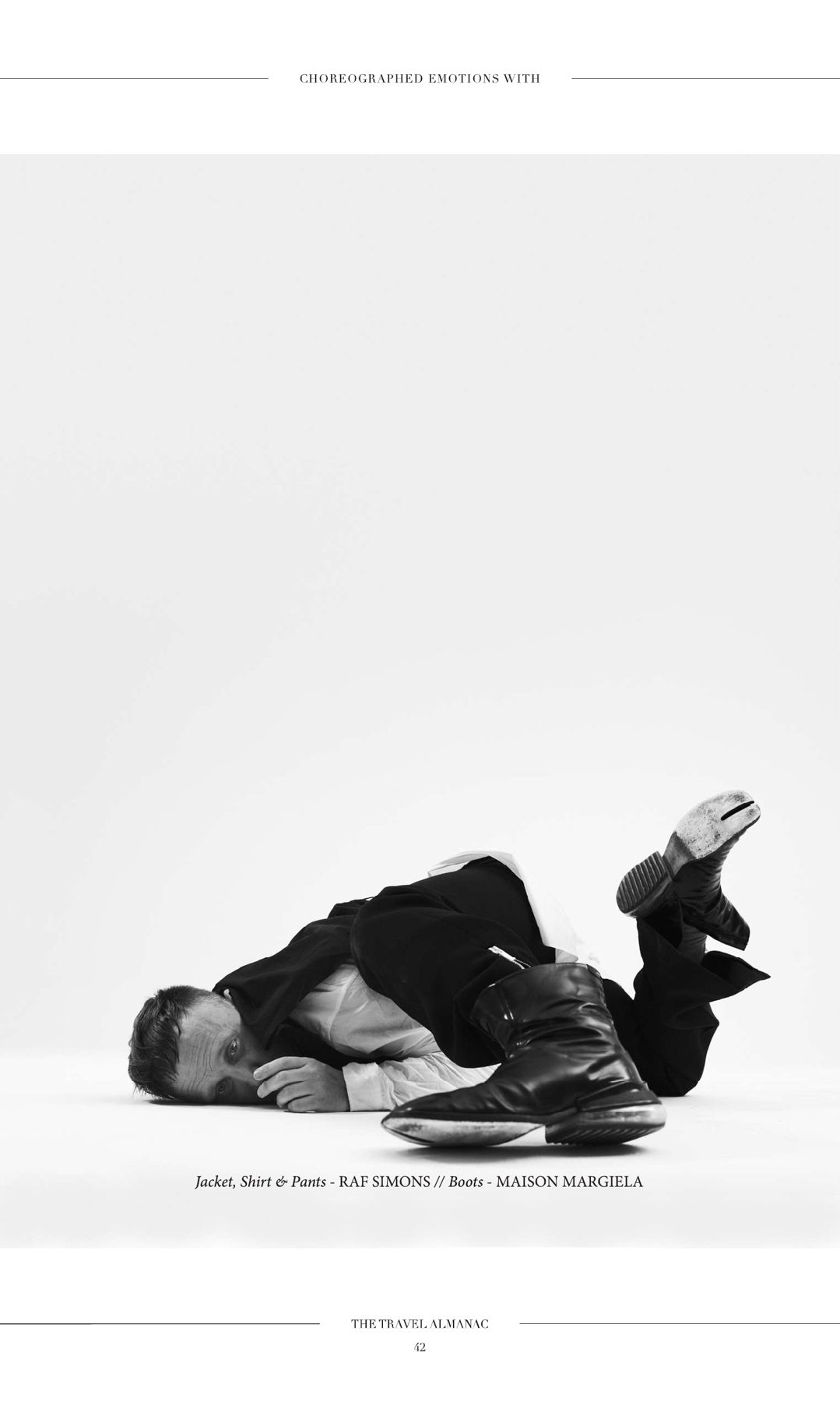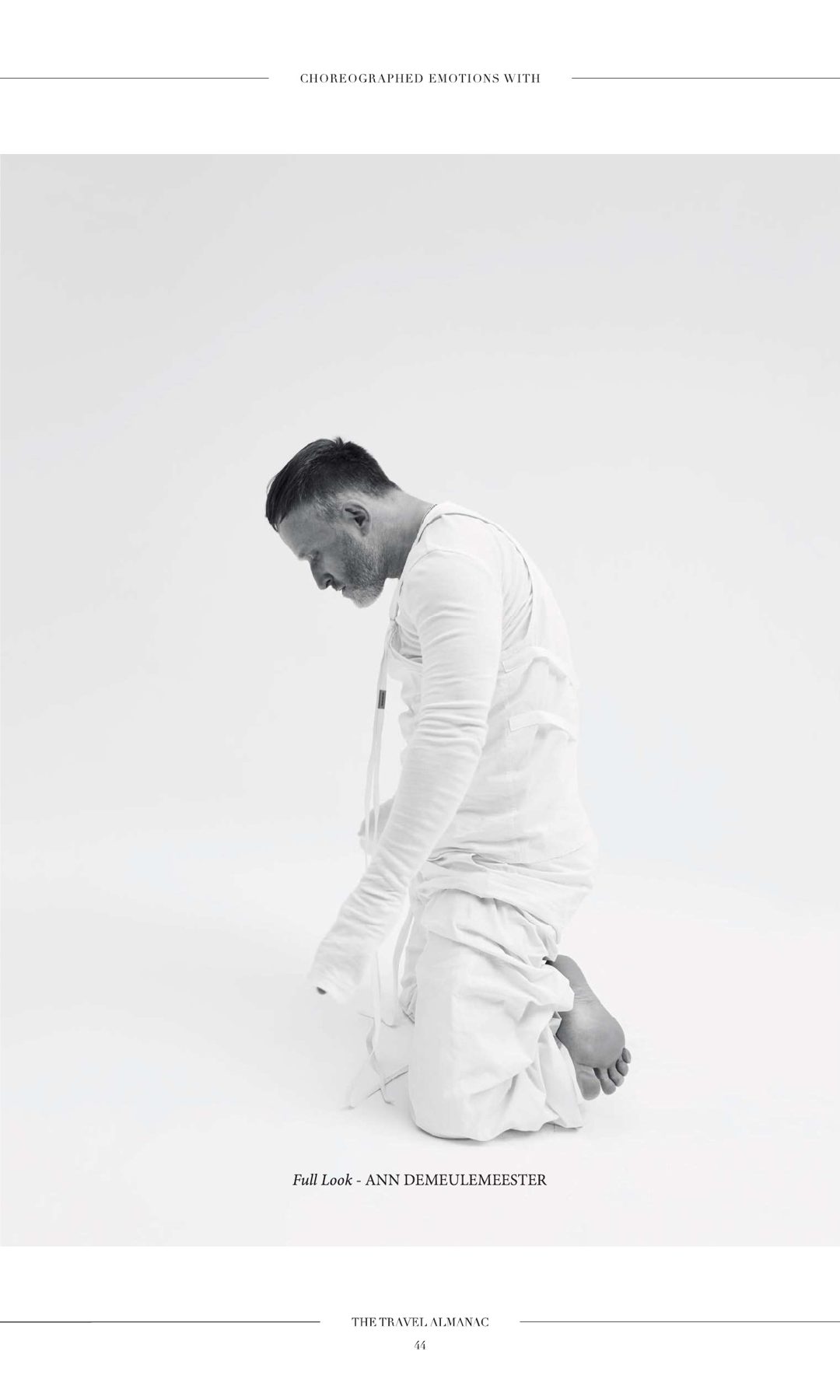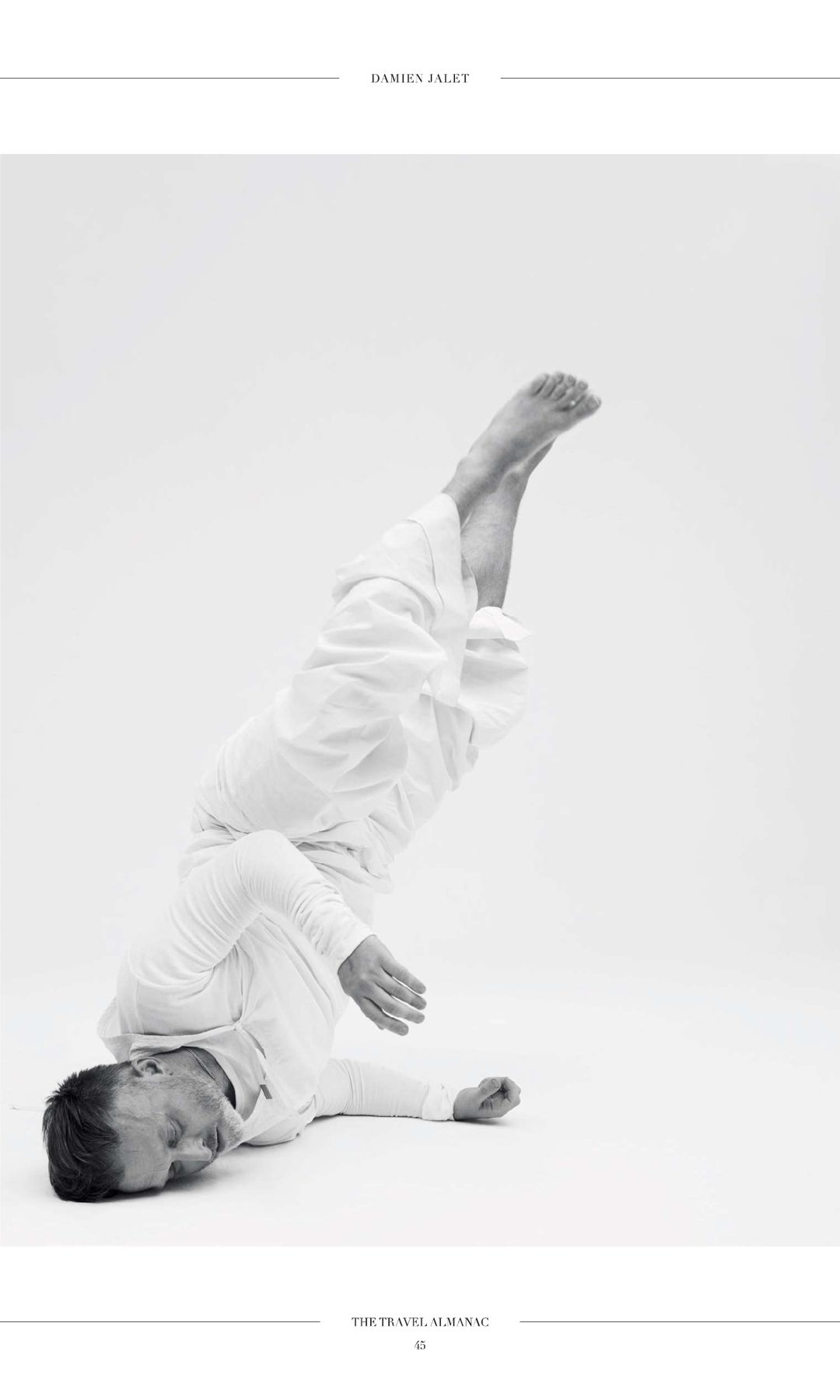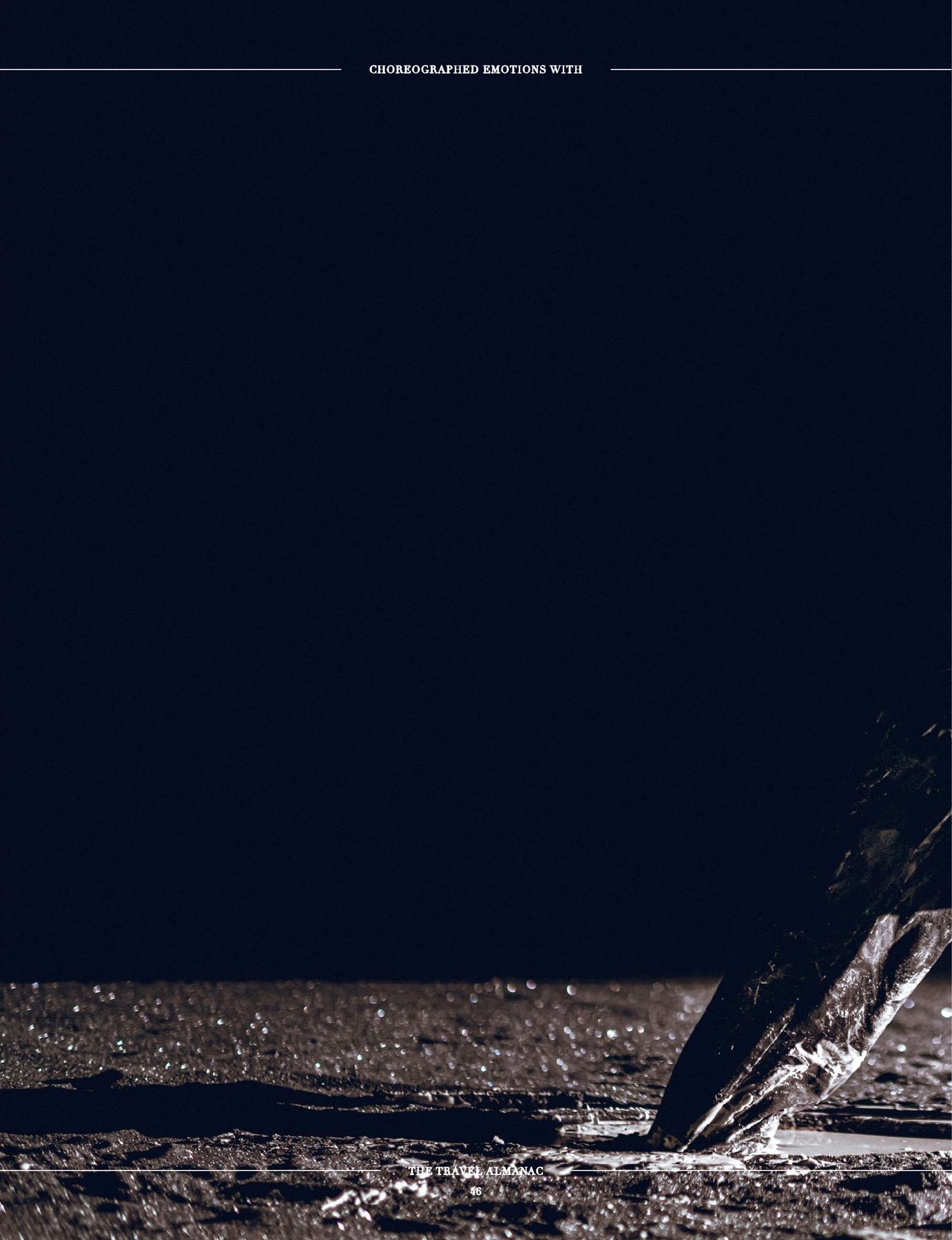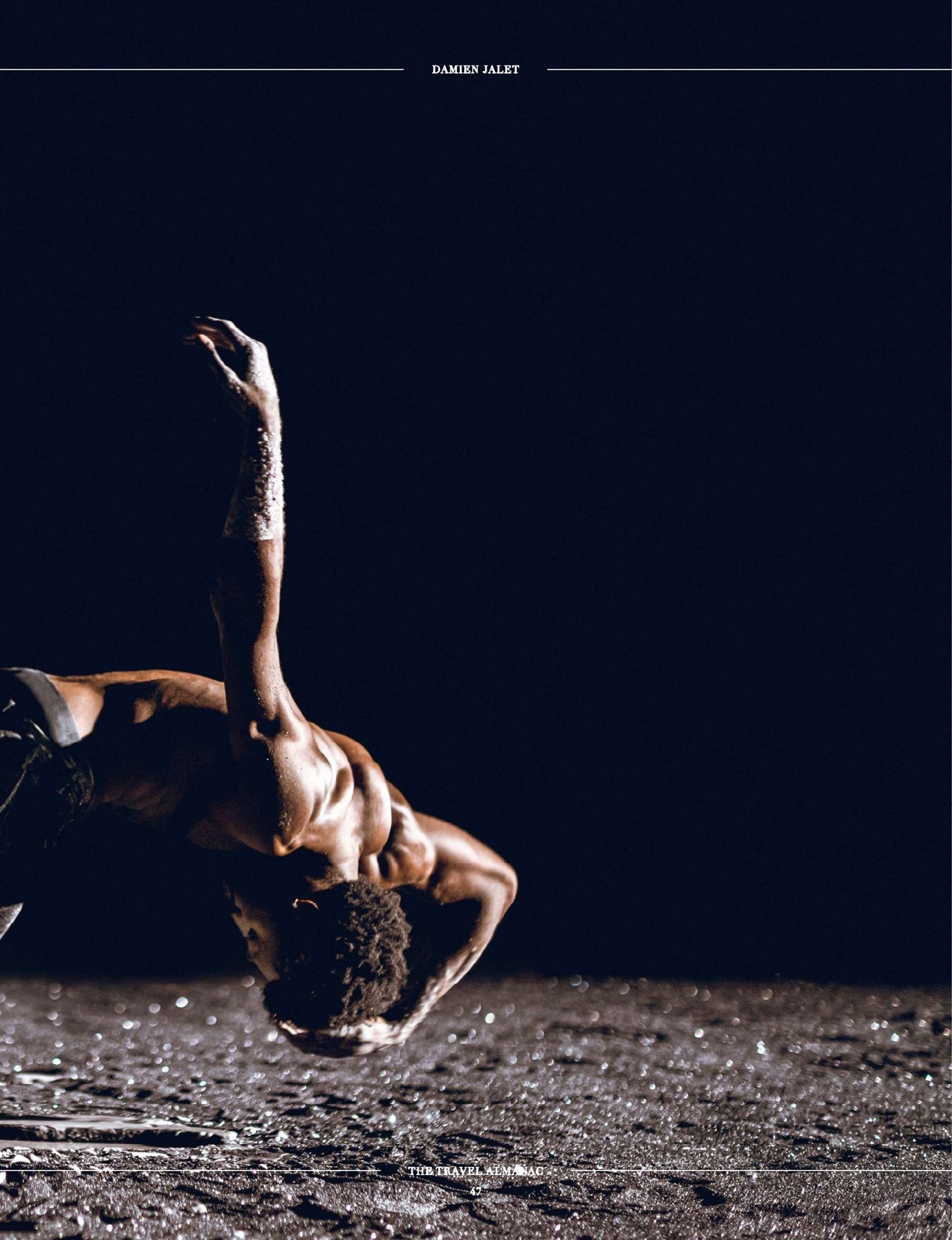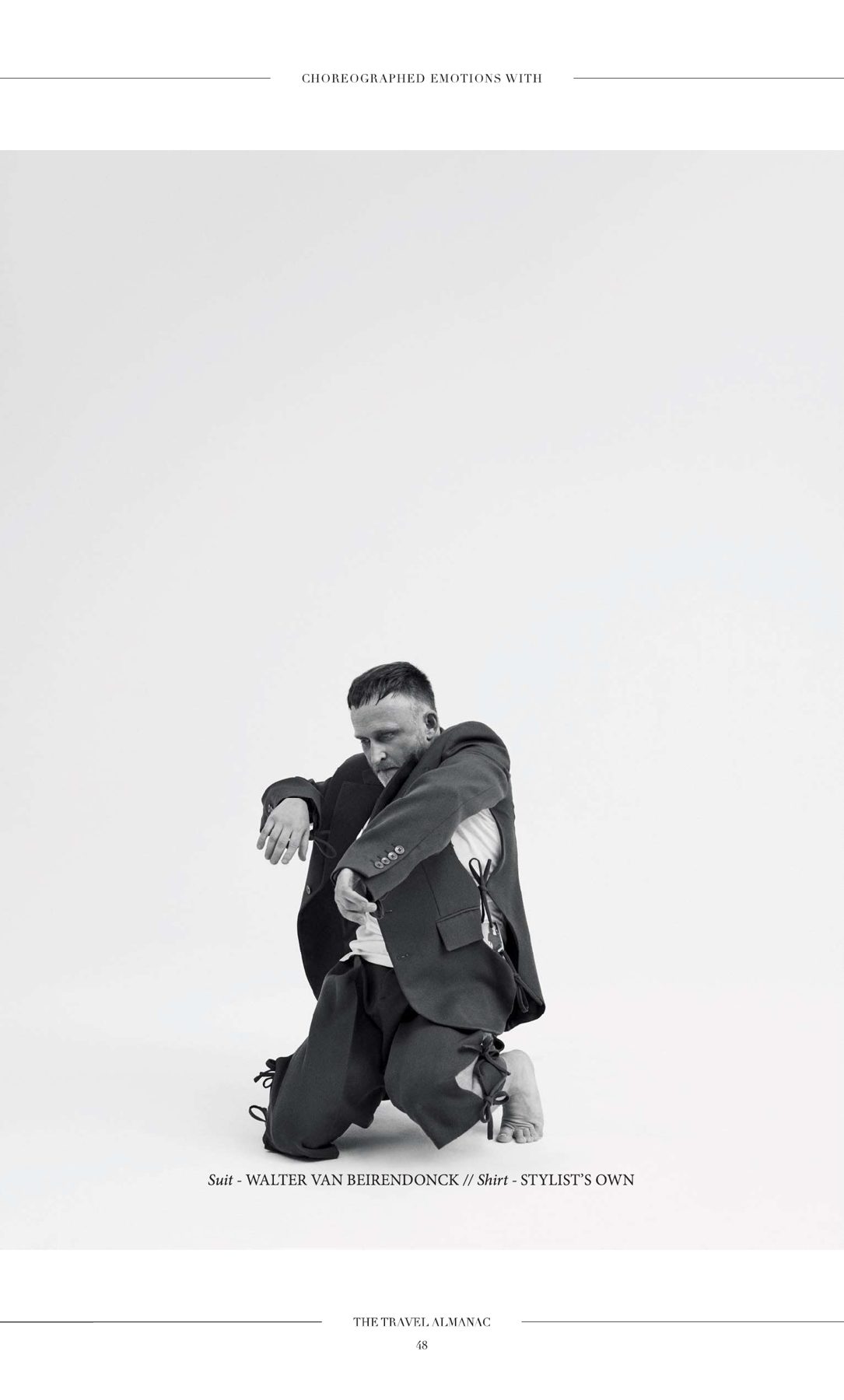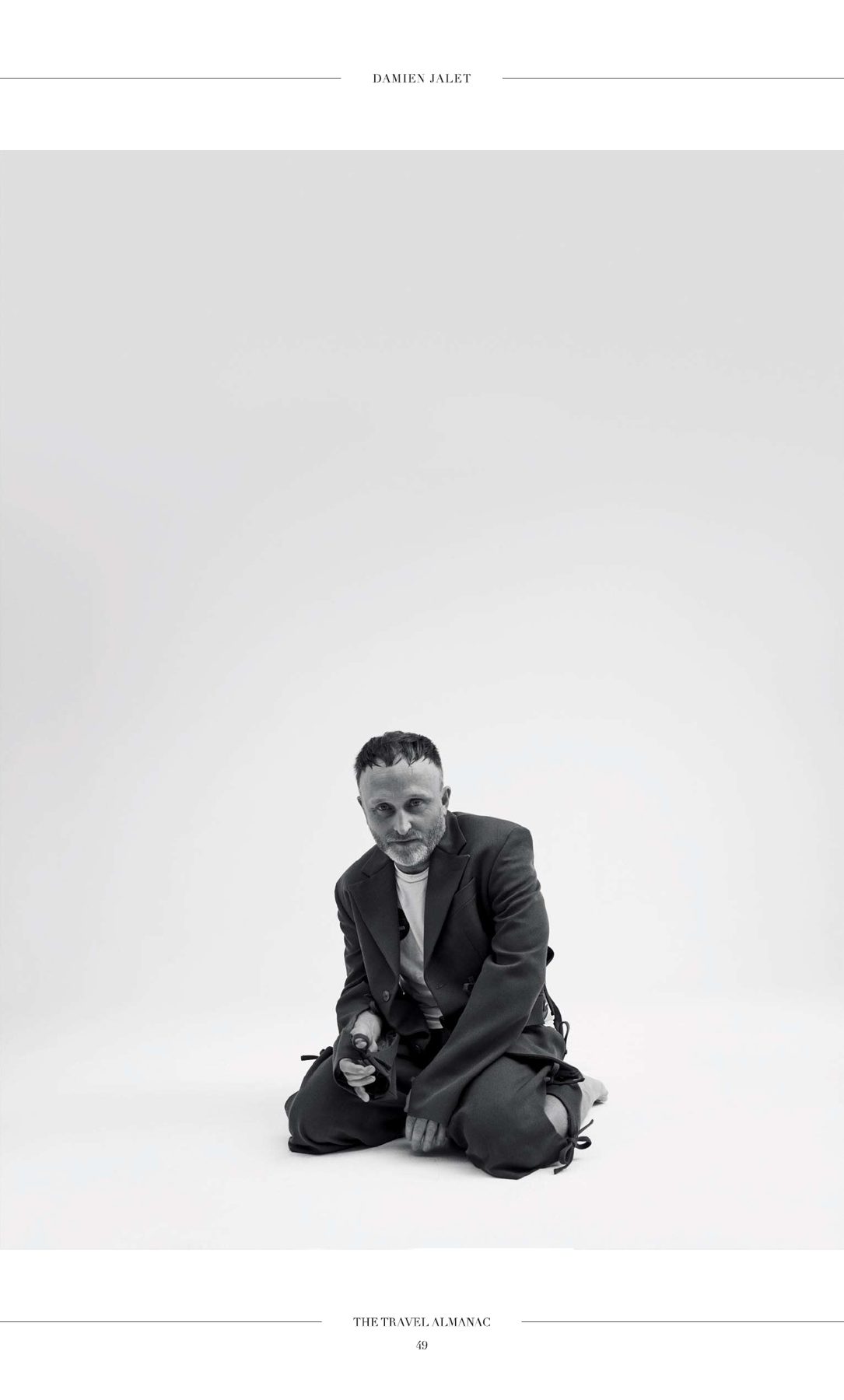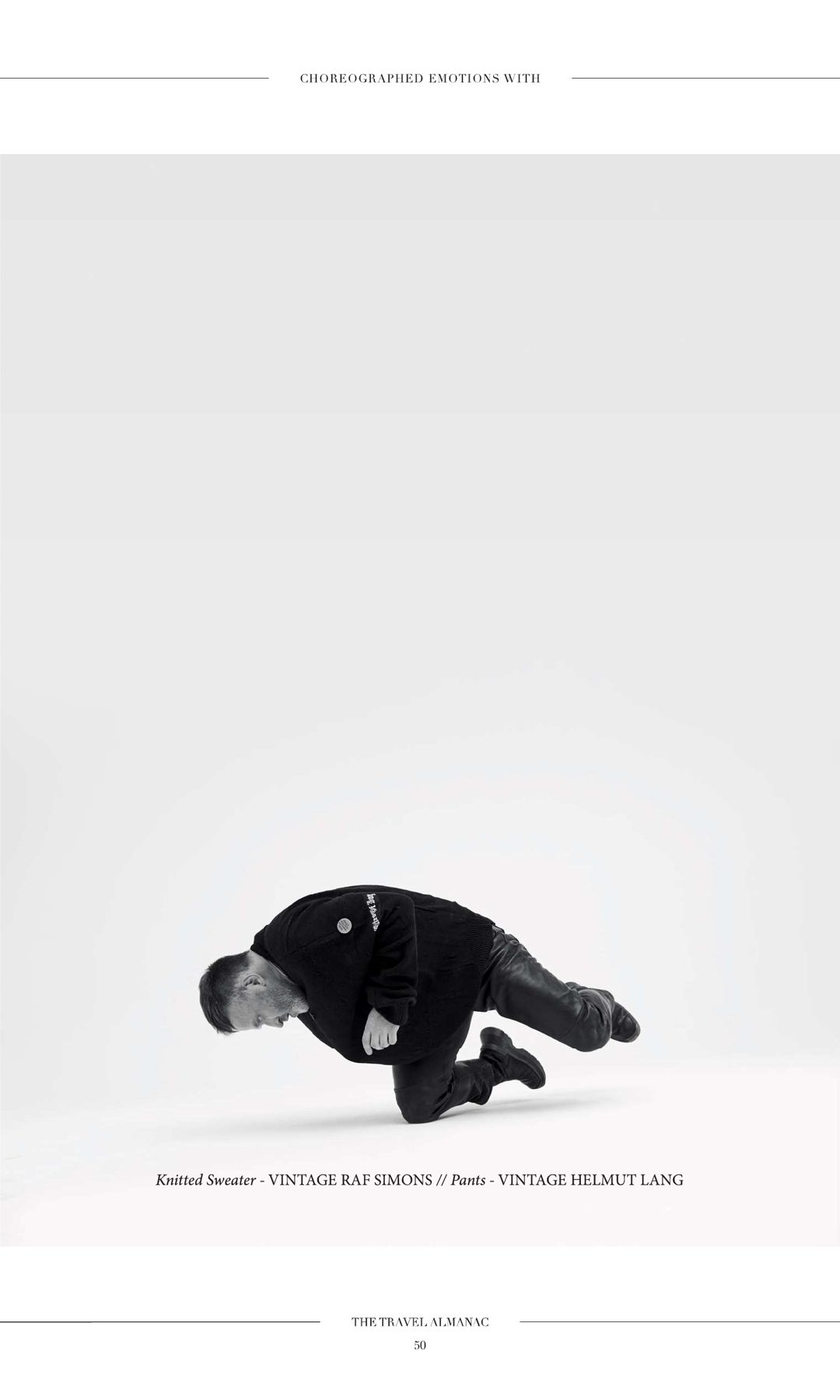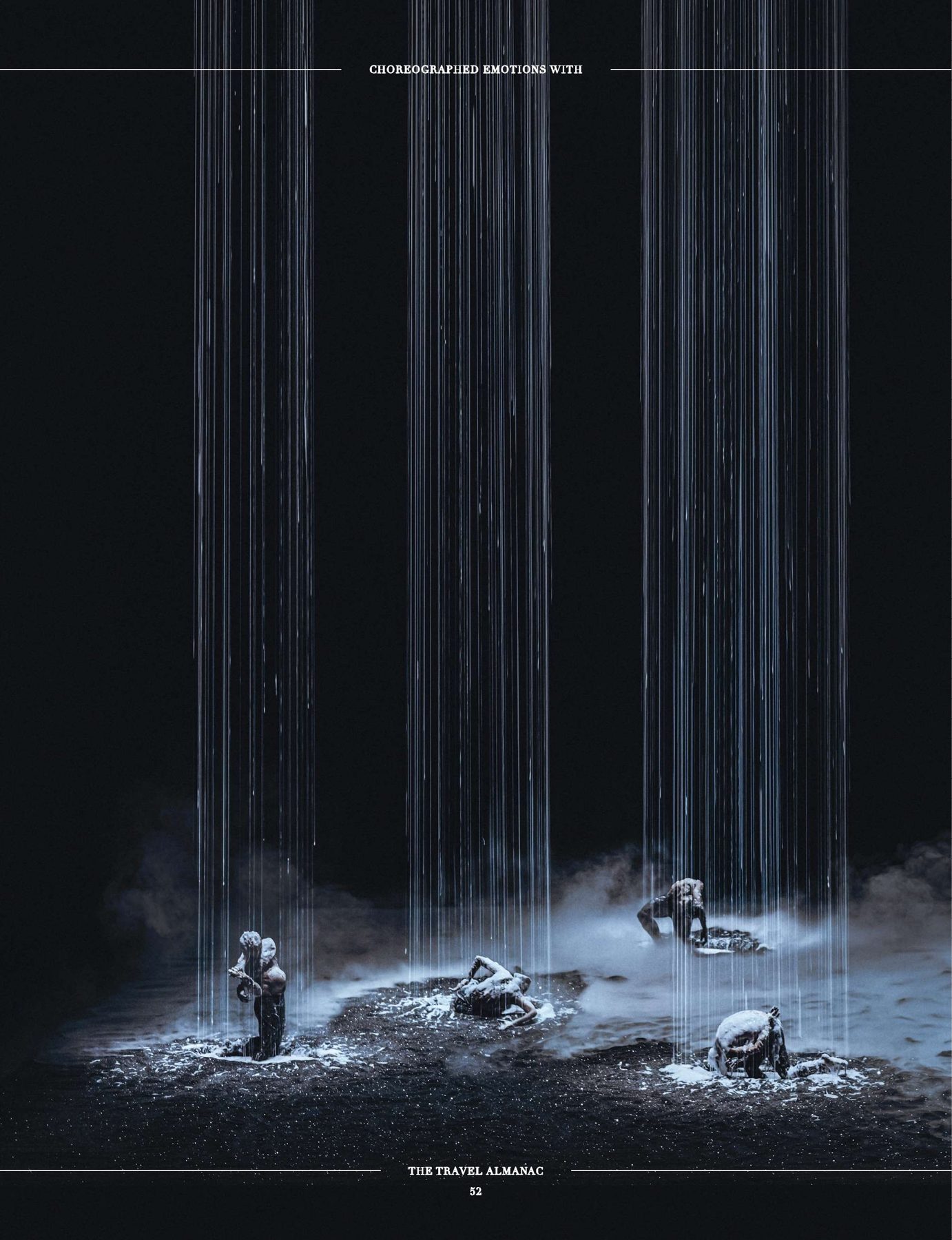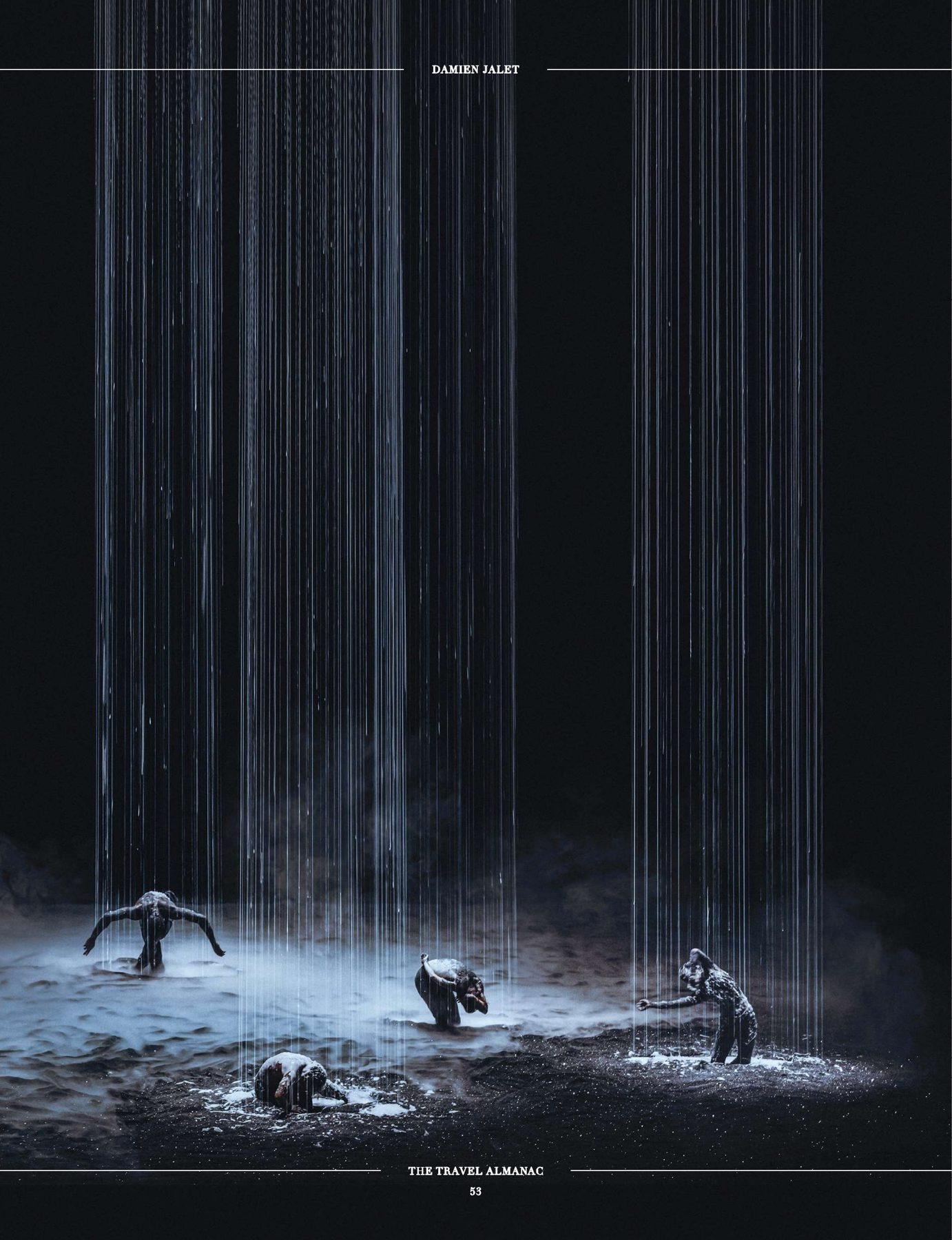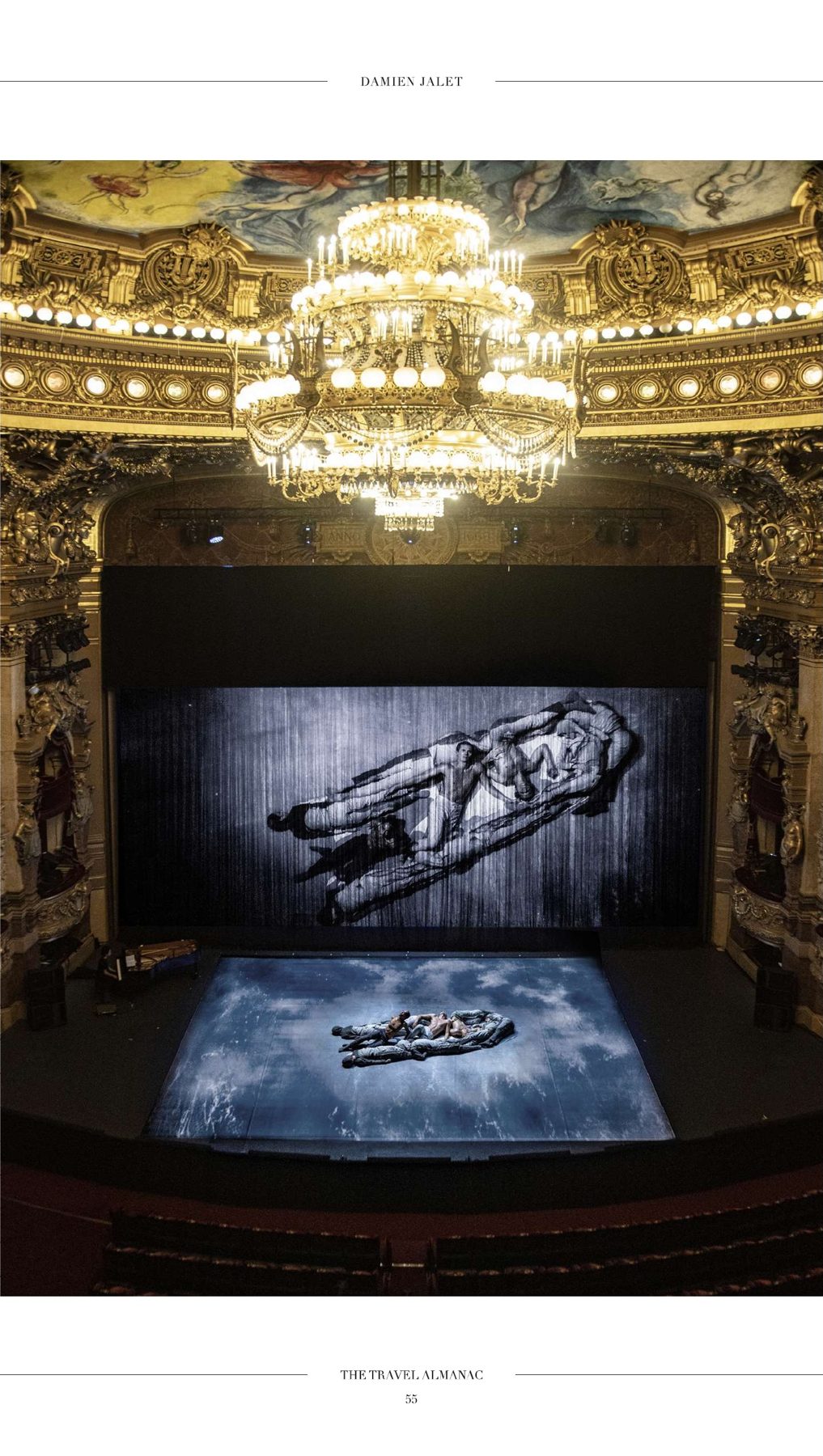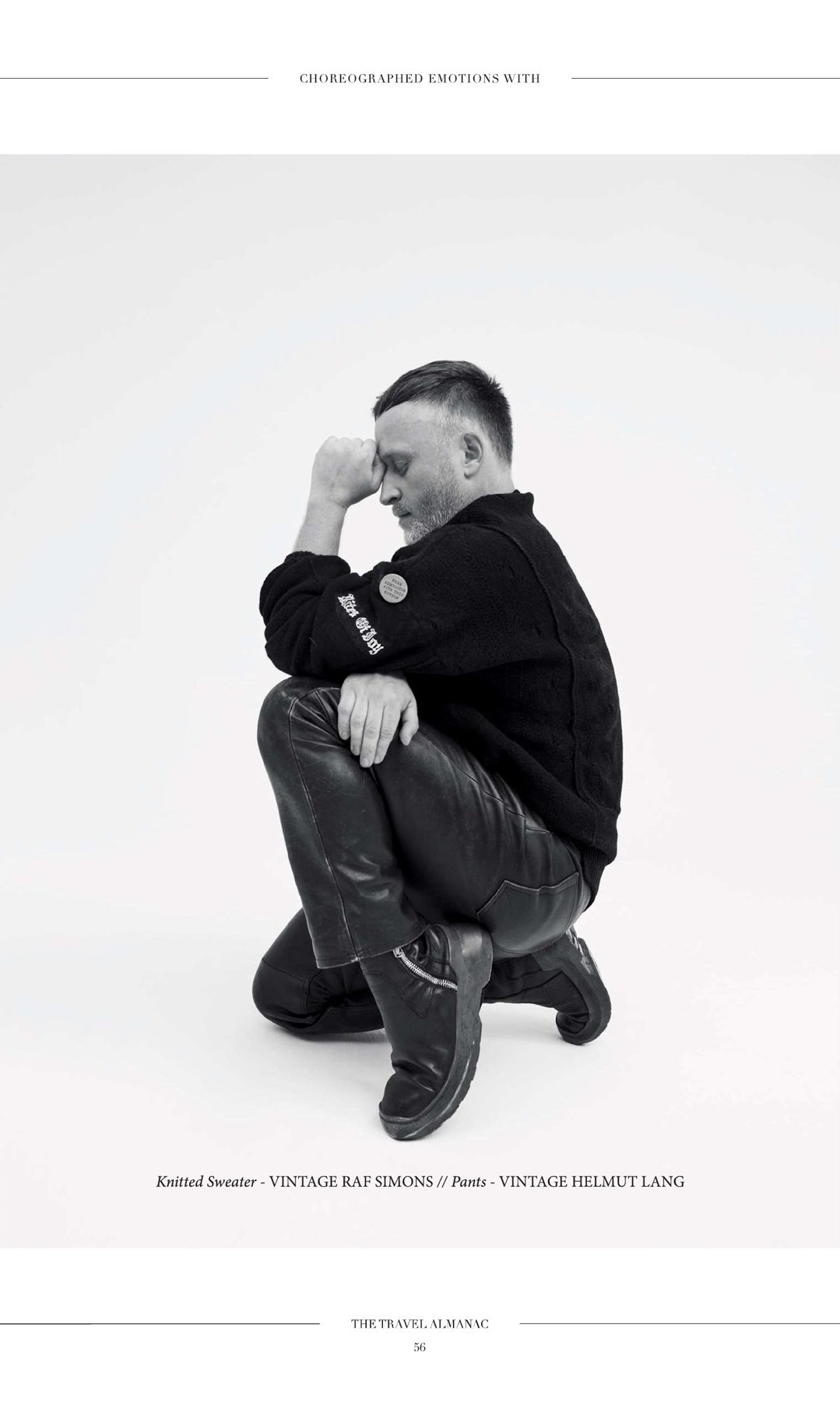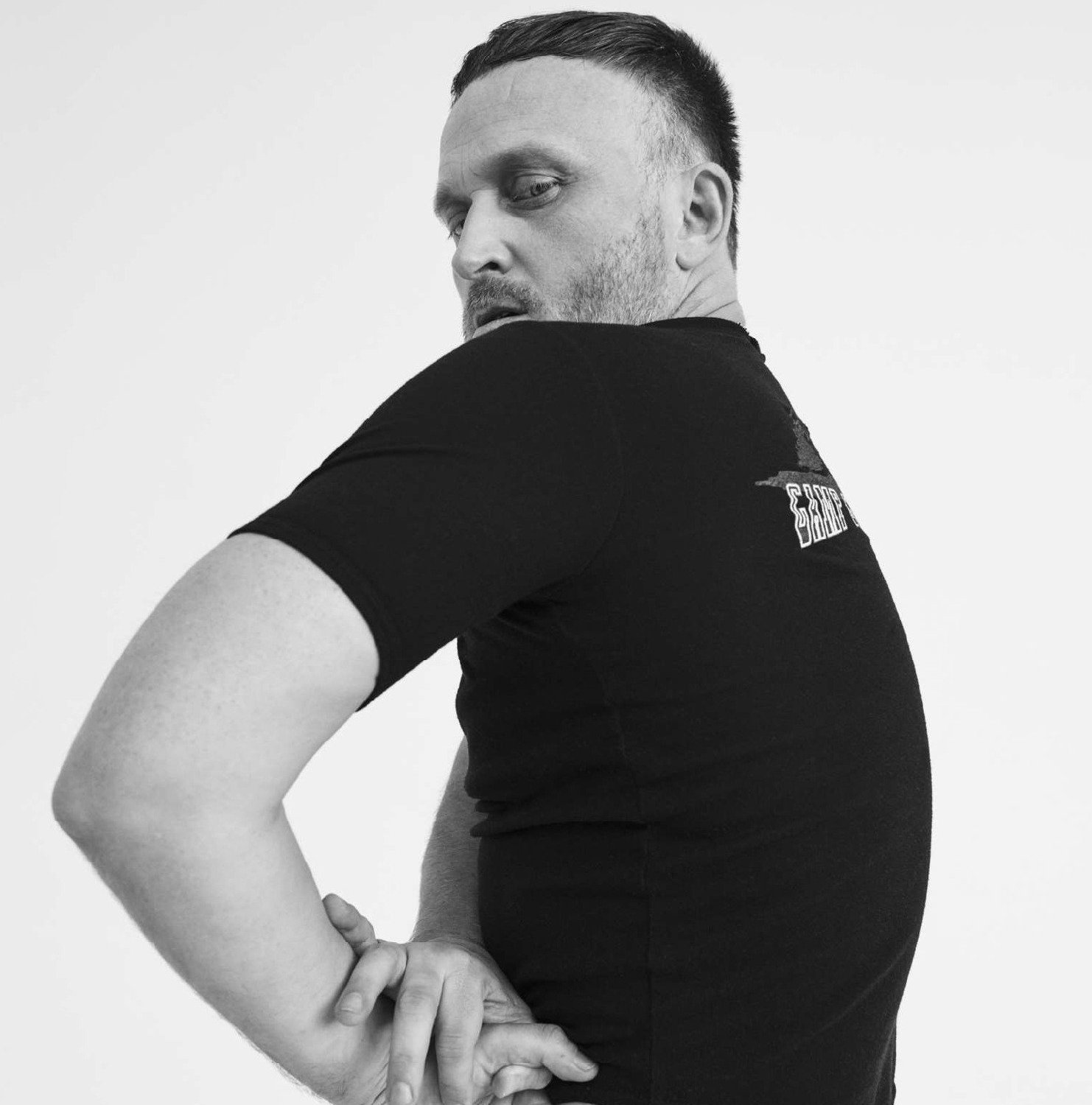
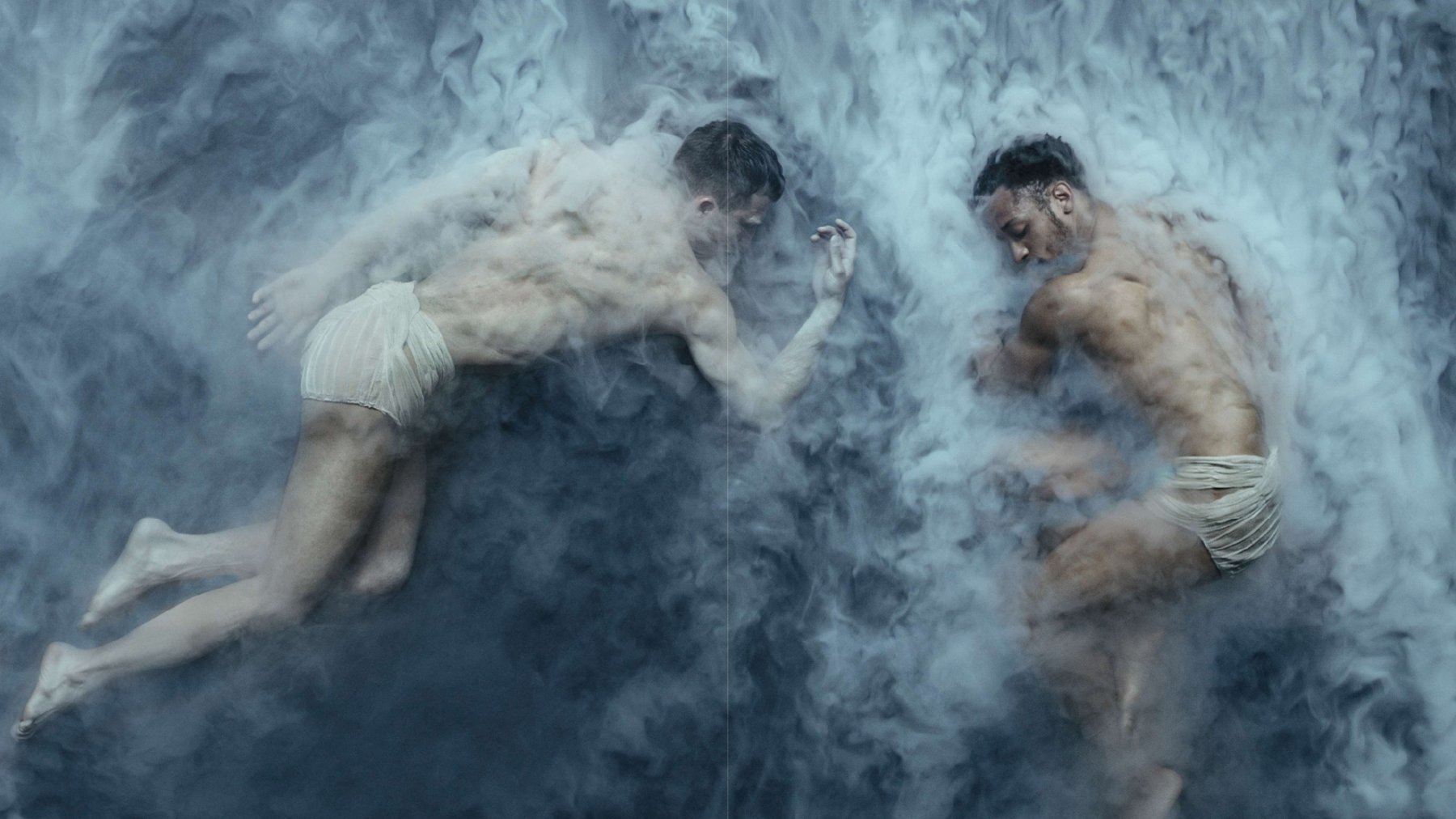
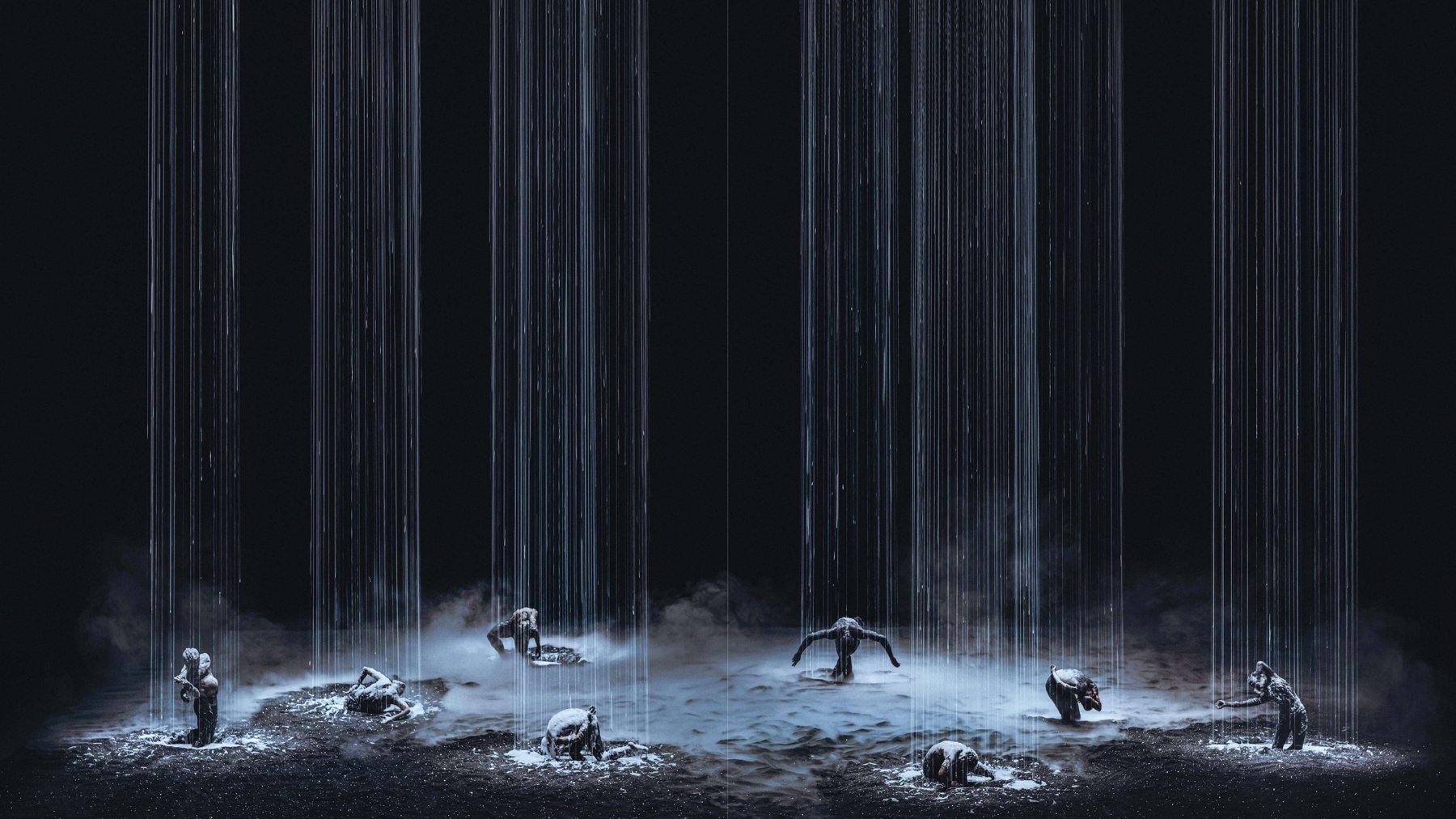
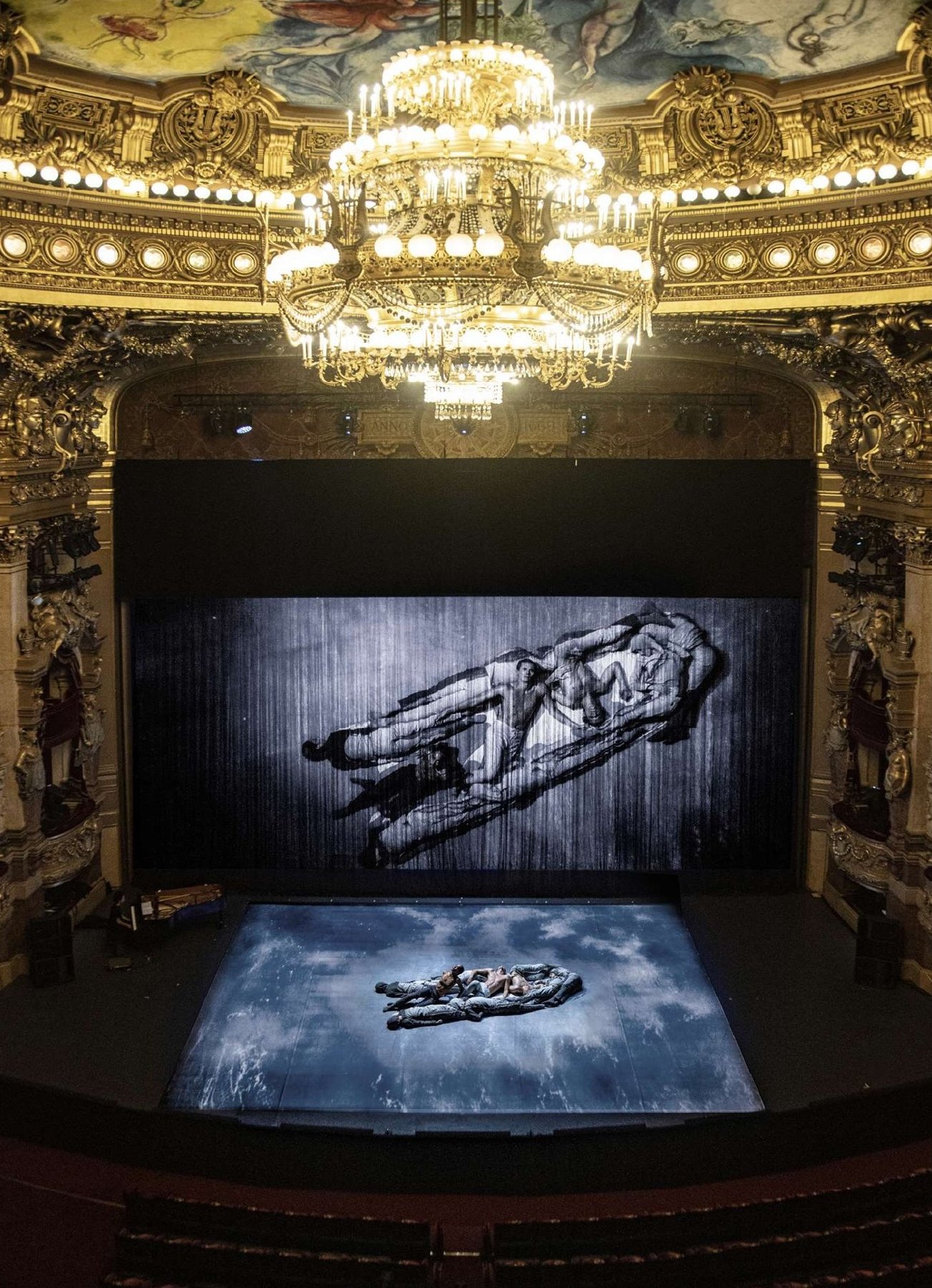
Damien Jalet, the highly acclaimed Belgian choreographer and dancer, is known for innovative avant-garde works that challenge traditional concepts of movement and performance. His shows are renowned for their breathtaking, otherworldly visual landscapes and their ability to evoke profound reflections and emotions in audiences. One of Jalet’s most celebrated works is Gravity Fatigue (2015), which explores the theme of gravity through movement and design. Featuring performers suspended in mid-air by ropes and harnesses, the piece creates a sense of weightlessness that challenges audience perception of gravity and its effects on the human body. Jalet has further delved into this enigmatic force with Skid, a production that debuted in 2017 and drew inspiration from the experience of slipping and falling on ice. In this piece, a lone performer glides across a custom-made floor inclined at 34 degrees, delivering an energetic and physically rigorous performance that tests the limits of human ability. More recently, Vessel, which premiered in 2016 and was co-directed by Japanese visual artist Kohei Nawa, featured dancers performing on a flooded stage and an installation containing a bubbling mixture of potato starch and water, creating a striking and ethereal effect that blurs the lines between dance and sculpture. With a career spanning more than two decades, Jalet continues to push the boundaries of contemporary dance, taking inspiration from a diverse range of sources, including mythology, traditional forms like kabuki and butoh, contemporary art and philosophy. Known for his highly collaborative approach to choreography, he has worked with notable figures in the worlds of art and performance, such as Hussein Chalayan, contemporary artists Jim Hodges and Marina Abramović, composer Ryūichi Sakamoto and film directors Paul Thomas Anderson, Luca Guadagnino and Jacques Audiard, as well as Madonna, both on her Madame X and upcoming Celebration tours. In this interview, Damien discusses the driving forces behind his work, his approach to collaborations, the influence that the 2015 Paris attacks had on his art and his obsession with mountains.
How did you evolve from being a dancer into a choreographer?
I never really saw a clear distinction between the two. From the very beginning of my career, I found myself engaged in a collaborative process with other artists, rather than simply adapting to the vision of the choreographer. In fact, I initially wanted to become an actor and studied at the National School to become a director, but I didn’t feel a strong connection to the medium.
Did you have a defining moment when you realized dance was your passion?
It wasn’t love at first sight. My parents would take me to see dance shows of Maurice Béjart in Brussels, but none of them really resonated with me. Even when I took a dance class at the age of six, I was bored and didn’t understand it. Then, when I was 11 years old, I saw Madonna performing live on TV and she kind of transmitted the dance virus. Her stage presence made a huge impression and reconnected me with my body. Madonna’s show was both sexual and transgressive toward Catholicism, which relates to my idea of dance today as both a sensual and spiritual practice.
So, how did you transition from theater to dance?
I was studying at the National School of Theater to become a director, but I became more interested in choreographers who worked with dance in a visceral way in order to access different states. I realized that I was more interested in approaching characters through their physicality than through words. Then, when I was a 21-year-old, I decided to use my body to express myself and pursue my desire to become a dancer, even though many people told me it was too late. While I may not have had the technical prowess of other dancers who had trained since childhood, I compensated with a more subjective approach to dance.
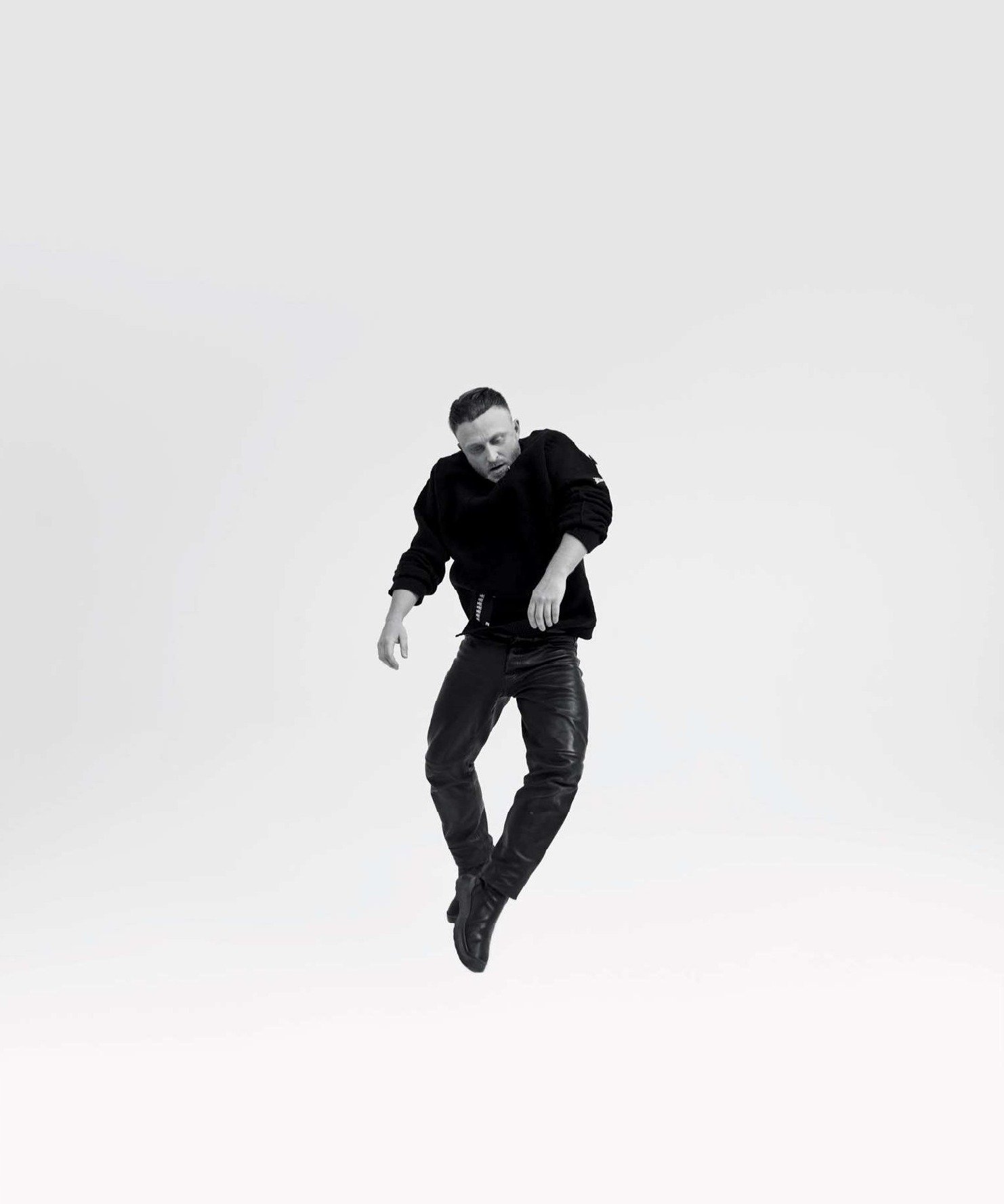
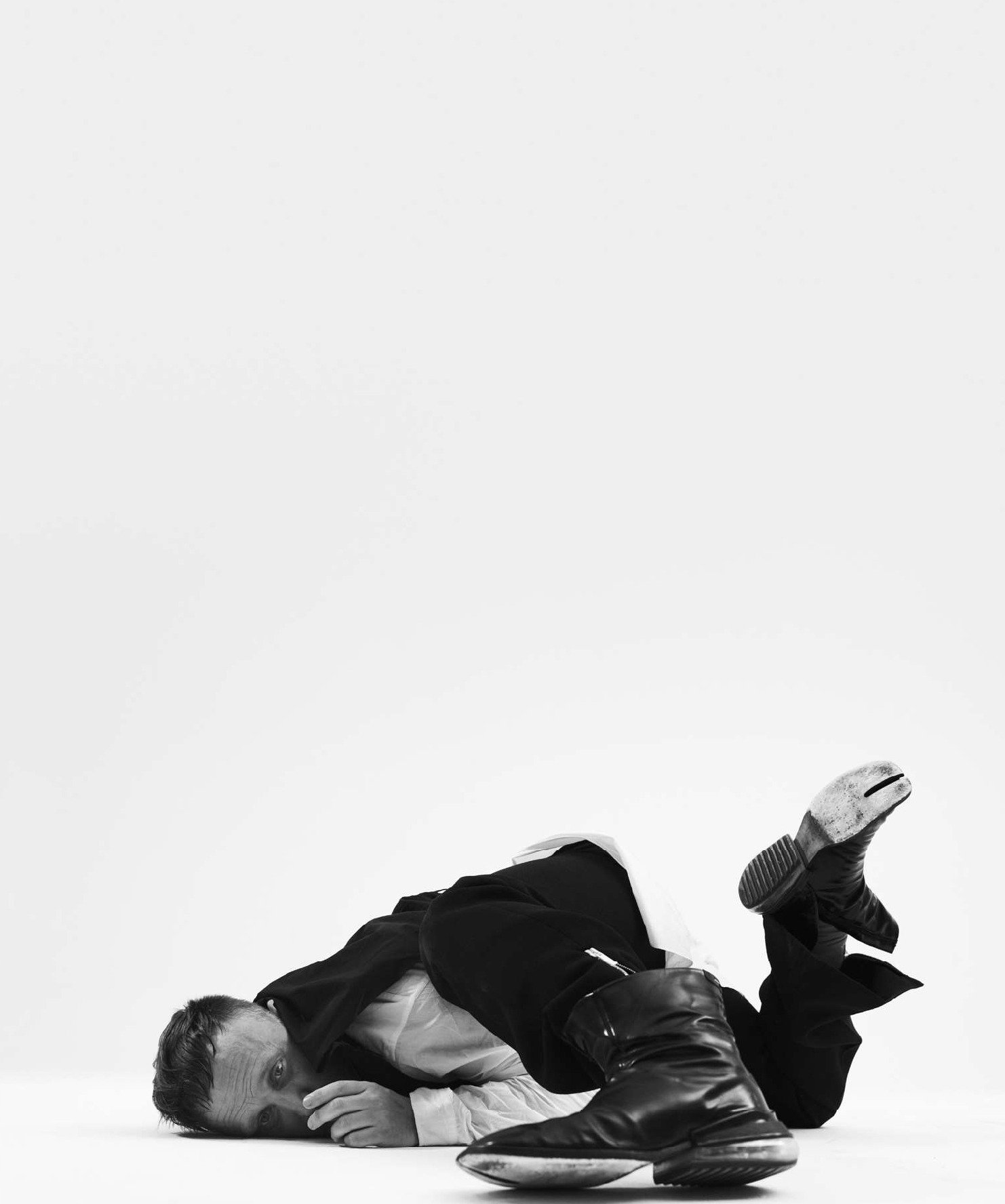
Today marks the 10th anniversary of the show Les Médusés, which you choreographed and directed at the Louvre. Can you tell us about how you came to create this performance?
The Louvre invited me to create a three-night performance event in the sculpture section of the museum, specifically in the Marly Courtyard and the Mesopotamian department. The project was titled Les Médusés, which is a play on the French word for museum, musée, and Medusa, the mythical creature who petrifies her victims with her gaze. The performance explored the relationship between dance and sculpture, and the idea of transforming immobile sculptures into movement.
What inspired you to use Medusa as the inspiration for the performance?
I had just read the book Le sexe et l’effroi by Pascal Quignard, which explained the myth of Medusa as a metaphor for fascination. Medusa was a symbol of female rage, and her gaze could turn her victims into stone. I saw the sculptures in the museum as petrified bodies that were once alive, and I wanted to use dance to unleash their frozen energy. The performance also explored the idea of using the dancers’ movements to mesmerize the audience and freeze the moment, similar to how Medusa’s gaze would petrify her victims.
Your body of work is incredibly diverse, often incorporating a range of choreographic codes and mediums. Is there a common thread connecting all your performances?
Every piece I create is an exploration of the dichotomy that exists within dance. On one hand, dance is an incredibly physical art form that demands a high level of athleticism and control. On the other hand, it is inherently fleeting and ephemeral—a momentary expression of movement that cannot be replicated.
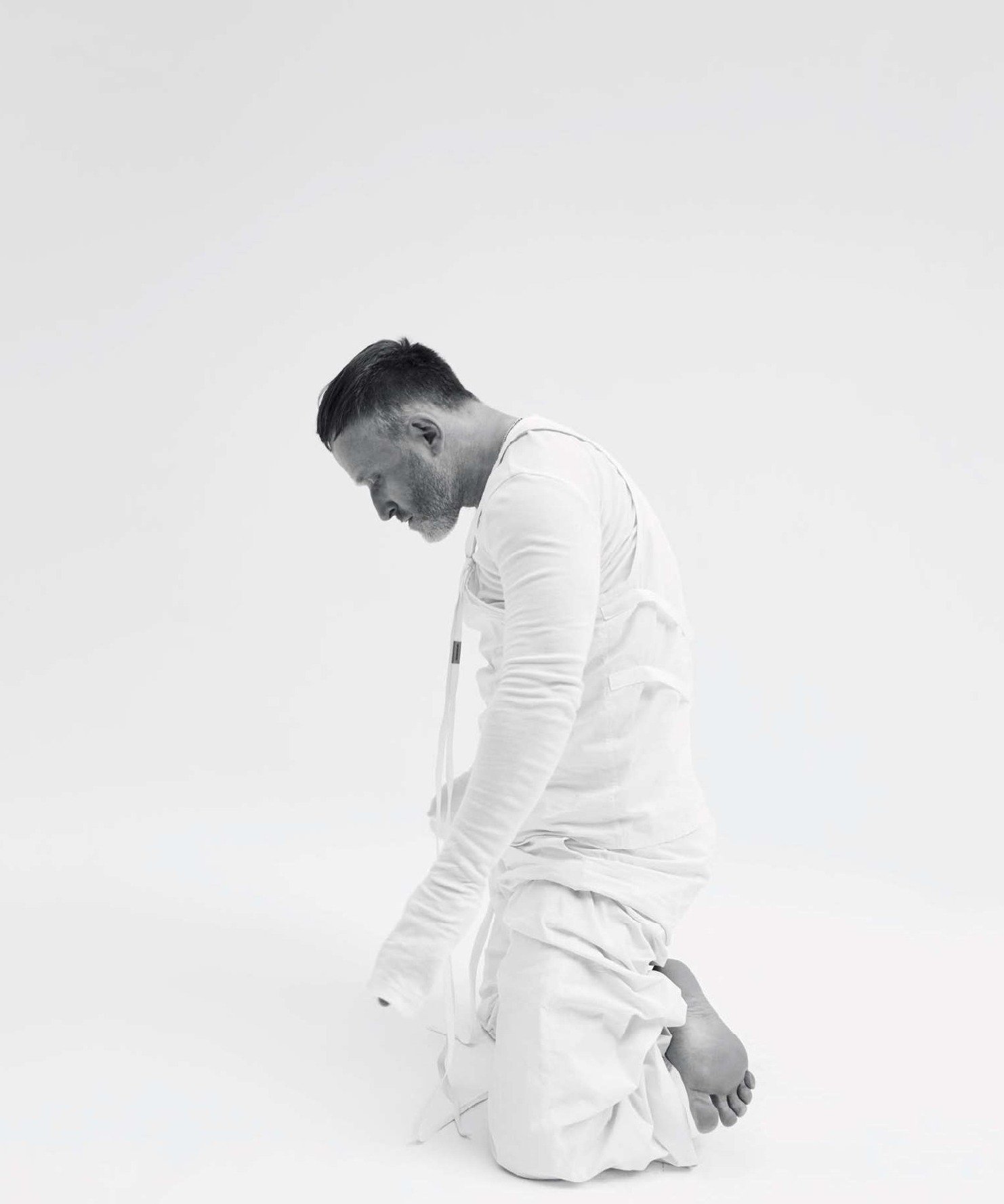
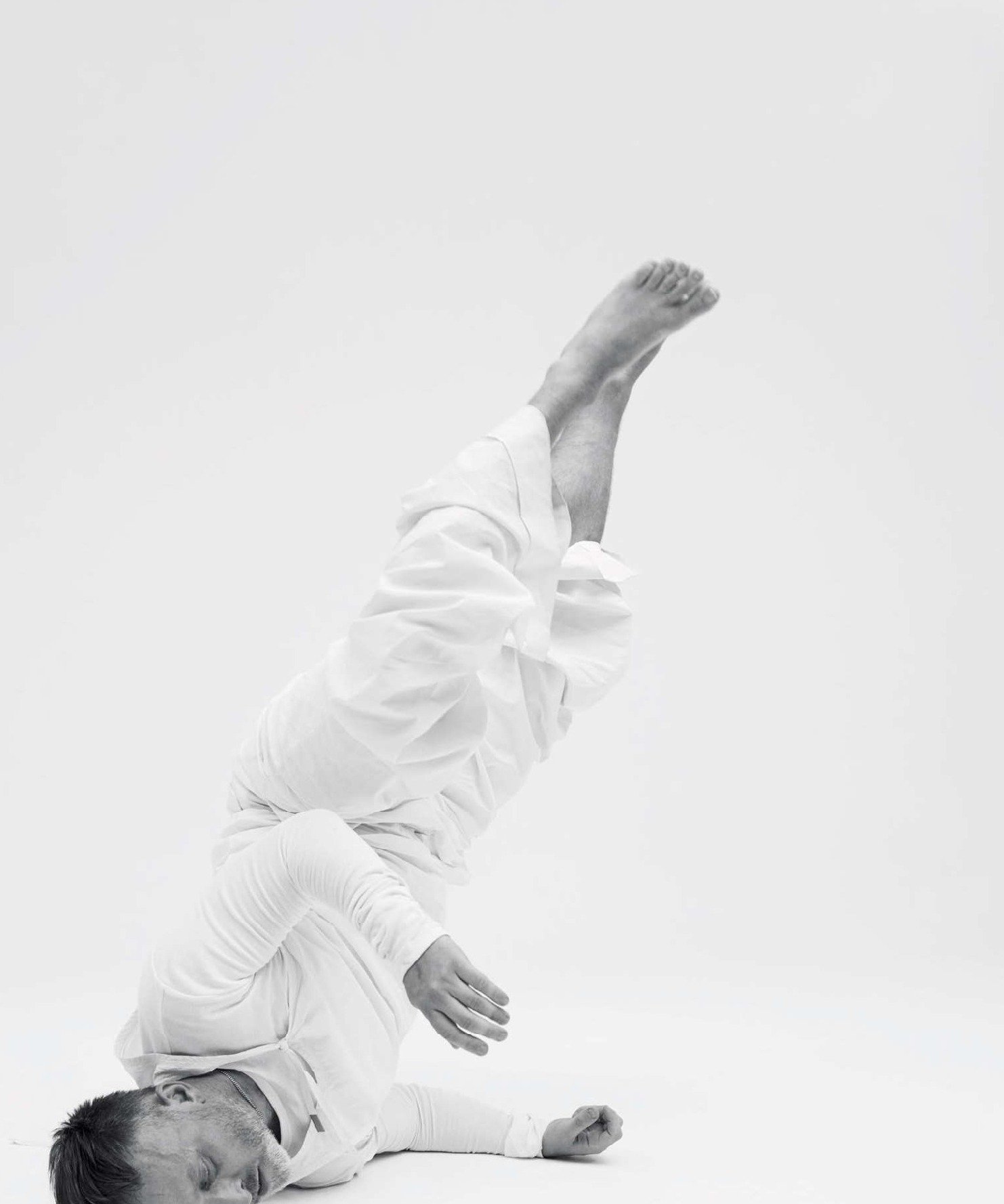
Unlike sculpture or other forms of static art, no dance is ever truly still. Even in moments of stillness, the dancer’s body is in a state of flux. This tension between stillness and motion is a fundamental aspect of my work.
The concept of boundaries is a recurring theme in your work as well. Your performances are renowned for existing on the edge of distinct realms, embodying a blend of corporeal and ethereal qualities.
I am intrigued by the idea of creating a liminal space for dancers, where they exist somewhere between presence and absence. Additionally, I frequently delve into the theme of boundaries through my work by experimenting with various mediums and pushing beyond cultural barriers. When I was studying theater, I realized that I would be confined to a small geographic area, which is why I chose to dance instead. With dance, I can connect with people from all over the world and explore various other forms of art. Despite being discouraged by some, I instinctively pursued dance and it has been the best decision I ever could have made.
In a past interview, you declared that “Performance is nothing less than a reinvented form of a collective ritual. A mode to collectively pierce a part of our common subconscious.”
To explore dance rituals within local traditions, I have traveled extensively to Indonesia, Japan and Mexico, partaking in indigenous ceremonies that aim to bridge the gap between the tangible and intangible realms.
My artistic investigations have often been centered around volcanic islands, due to the compelling interplay between isolation and unceasing natural activity that has fostered a profound spiritual bond between the inhabitants and their surroundings.
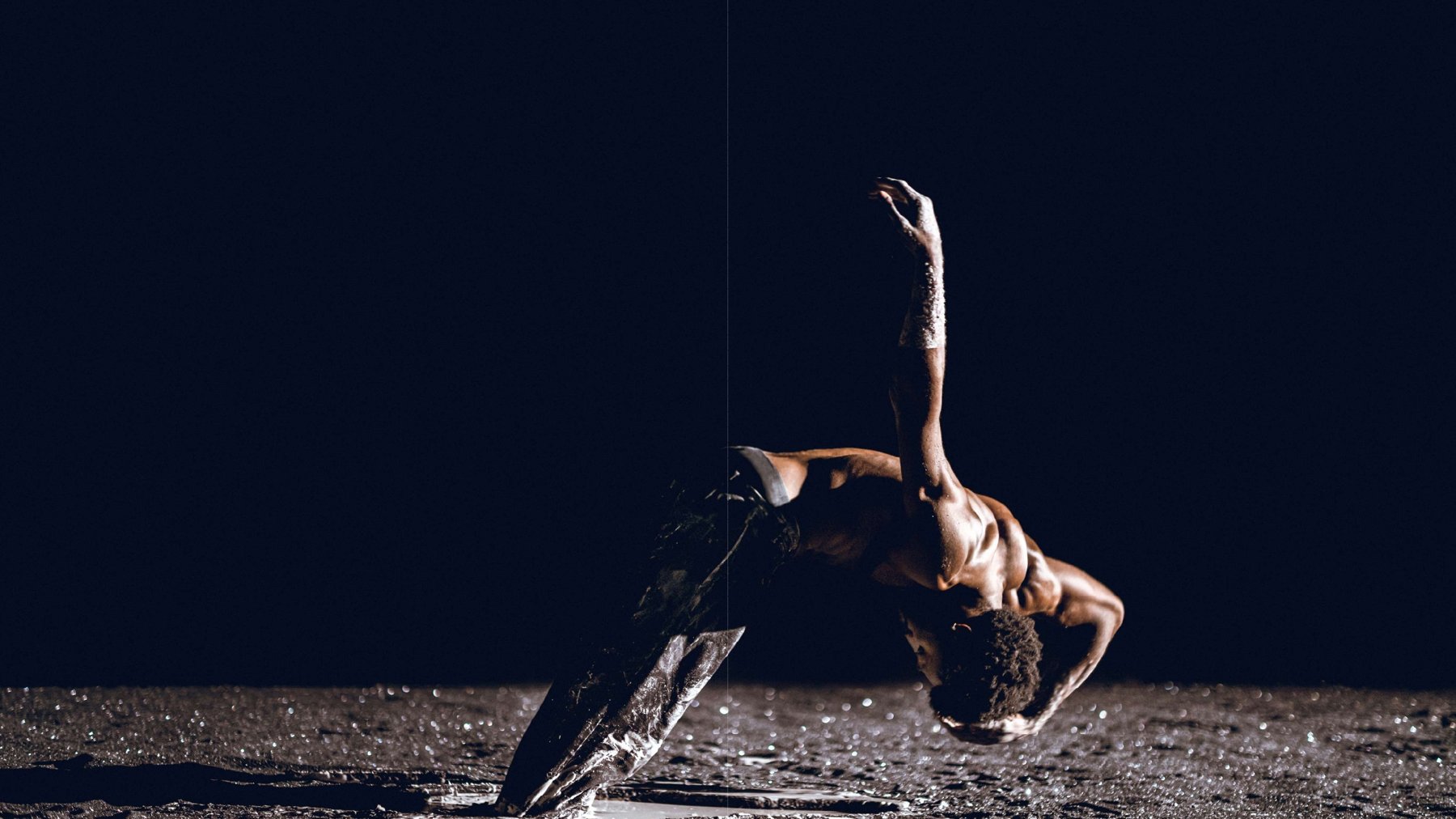
Your show Skid was inspired by a Japanese ritual, right?
Yes, it’s a fascinating Shinto ceremony called Onbashira, which takes place every six years in the Lake Suwa region of Japan. The ceremony involves replacing four massive pillars that represent the four shrines surrounding the lake with freshly cut trees. The trees are ritually harvested from the surrounding mountains and ridden down to the shrines in a perilous and symbolic display of strength and devotion. They’re then erected with great ceremony and serve as important spiritual symbols for the local community.
Apparently, this ritual has connections to the prehistoric age and early animism. What interests me the most in this ritual is the intense and visceral connection of the body and the dedication to performativity, risking one’s life for a belief. It’s about going to something unsafe to create protection, and I like the duality of that. The fact that gravity animates those trees adds a force that the men are riding on.
Several of your performances, including Gravity Fatigue, Skid, MIST and Kites explore the concepts of weightlessness, suspension and falling through dance movements that appear to defy the laws of gravity.
As a dancer, I have a deep relationship with gravity. It’s something that human beings deal with constantly without even realizing it. I think we take gravity for granted—we never think that if the planet were bigger, gravity would be stronger. I like to question even the most elementary things.
I’m fascinated by the idea that the only time of day we surrender to gravity is when we fall asleep. An experience that deeply resonated with me occurred in Japan, where the culture of overworking is so prevalent that people frequently doze off on the metro. It was striking to witness how two complete strangers could find themselves in an unexpectedly intimate situation, with one person accidentally falling asleep in the other’s lap.
The moment of falling unconscious is a physical manifestation of the uncontrollable taking over.
Absolutely! As a choreographer, I find this extremely fascinating. The greatest dance is always when you find the perfect balance between control and no control. I look for dancers who are able to control the uncontrollable, finding moments of surrender and weight taking over. It’s an incredible thing to see someone stand on a point, let go of holding and find that perfect balance.
Similarly, I often find myself exploring and creating works without a clear idea of the end result. It’s like conducting a laboratory experiment where I research and become conscious of things that my subconscious is guiding me towards. For instance, in my piece Thr(o)ugh, I integrated my experience of the Paris attack. It was a homage to the people who lost their lives and an attempt to understand how their minds could be at peace.
Were you in Paris that day?
During the attacks, not only was I in Paris, but I found myself sitting just a few meters away from the terrorists in one of the cafes La Belle Équipe on Rue de Charonne. As I feared for my own safety, an uncontrollable impulse to run took hold of me. This experience stayed with me for a long time and ultimately influenced the piece.
How so?
Two weeks before the premiere, I realized that the dancers in the piece were like ghosts stuck in a tunnel, unable to move forward. The piece’s motto became, “If you don’t move, you die,” which was essentially an elaboration of my impulse to run during the attacks. The emotion of that moment was channeled into the entire piece. With this show, I realized how grateful and lucky I am to be creative, to transform and explore things that I couldn’t articulate. Being creative helped me to let go and share something that would otherwise get stuck inside me. I am fascinated by the transformative power of creativity.
Did you come up with the idea of putting a claustrophobic tunnel on stage following the attack?
The tunnel concept was already there, connected to a tree sculpture created by Jim Hodges. We had started working on the concept before the attacks, but after the event, the vacuum and emptiness of the tunnel became much more interesting to me. It looked like a gun, depending on the angle, and it was all about time and space, surviving the randomness of it all. The end of the piece became a tunnel where dancers would decline in one movement and one set, looking like a vacuum. It was like an open gate which the soul could pass through.
In what way did those attacks have a personal impact on you?
During the aftermath of the Paris attacks, I had a profound realization about the idea of resting in peace. I thought about all the people I had seen in their last moments and wondered how their minds could ever find that peace. This experience highlighted the belief that we are all connected, even the living and nonliving. Even when you’re not physically there, you’re still there. It also made me realize how obsessed I am with creativity, getting in the zone and exploring the unknown—I am addicted to that feeling. And I am grateful for the privilege of having a job that allows me to channel my deepest emotions, fears and darkest thoughts into art.
What other obsessions do you have, besides exploring the unknown?
Mountains are definitely an obsession of mine and a recurring theme in my work, even though I’m not a climber. I stopped skiing at 16 because it was too dangerous to combine with my dance practice. However, growing up in Switzerland near the Alps gave me a feel for the immaculate, as well as a fascination with the concept of a vantage point. Yesterday, I was again watching The Holy Mountain by Jodorowski. I know he, like me, was inspired by a book by René Daumal, an early 20th-century French novelist, called Mount Analogue.
What’s the book about?
It is a classic adventure novel with strong allegorical and philosophical undertones, known to have inspired Robert Bresson, G.I. Gurdjieff, Tangerine Dream and Salvador Dalí. It tells the story of a group of mountaineers on a quest to reach the eponymous mountain, which is situated on a surreal continent and can only be perceived by those who possess obscure knowledge. The novel talks about an island mountain that is not visible, and you need to wait at certain places in the ocean until a gate suddenly opens to a parallel place. It also explores the central theme of mountaineering in depth, using literary and philosophical lenses to examine the challenges and triumphs of the climbers. Unfortunately, Daumal passed away before he could finish the book, leaving it with an eerie quality as it abruptly ends in the middle of a sentence, but what’s great is that you already have access to that place.
And how does this story connect to your approach to choreography?
The process of making a new creation feels like climbing a mountain to me. Like The Divine Comedy, where you start from hell and reach enlightenment as you physically work your way up the mountain. It’s not an ascent you do alone, but rather a collective one—a mountain-climbing experience similar to the one I made with the Yamabushi in Japan.
Who are they?
Yamabushi is a group of ascetic practitioners who follow a form of mountain worship called Shugendo. They are typically found in the mountainous regions of Japan, and they practice a blend of Shintoism, Buddhism and Taoism. Their practices involve physical and mental training—meditation, chanting and rituals that are designed to help them achieve spiritual enlightenment and connect with the natural world.
Some of the practices that Yamabushi engage in include extended periods of fasting and isolation, mountain-climbing, waterfall meditation and fire-walking. They also wear distinctive clothing and accessories, such as a conical hat made from woven straw called a sugegasa, and carry ritual implements like bells and staves.
Overall, Yamabushi are known for their dedication to their spiritual path and their deep reverence for nature.
Can you describe what it’s like to climb a mountain as a Yamabushi?
During this ascetic practice, you wear funeral clothes, speak and eat very little, and even meditate in an icy cold waterfall. It’s an intense experience, but it helps me get into that kind of place where I love to be when I’m creating something new. When researching something, I’m constantly trying to capture and assemble ideas, which puts me in a cautious transitional state.
For me, imagination is not purely rational. Relying on rationality alone can result in poor outcomes because we can only think of one thing at a time. Creating something new requires a certain meditative state and the ability to associate ideas that others may not see. The best outcome comes from the synergy of the team’s faith, focus and intuition, creating something that is greater than the sum of its parts.
The same goes for directing a project. It’s like entering a dark room and trying to guide everyone to the light switch. It requires a certain amount of intuition and faith in the people I work with. I find it fascinating that I’m often surprised by the outcome of what we create, and that’s the best feeling.
One of the most significant collaborators in your career was the Japanese composer Ryūichi Sakamoto, who recently passed away. What impact did he have on you during his lifetime?
I first met Ryūichi briefly in 2005, after a concert in Osaka, through a mutual friend. But it wasn’t until 2013, after we performed Babel (words) at a Japanese festival he curated, that we started to become friends. Since then, he has played a key role in most of the works I have developed as a choreographer. He also introduced me to many layers of Japanese culture, including the Onbashira ritual—which inspired two of my most important works, Thr(o)ugh and Skid—as well as to the cinema of Hiroshi Teshigahara, films, and books, some of which have become personal cult classics, such as We Are All Cannibals by Claude Lévi-Strauss and Ishmael by Daniel Quinn.
It sounds like you shared a deep friendship with Ryūichi. What kind of person was he?
Ryūichi had incredible curiosity, discipline and rigor, yet he possessed great kindness, dedication and profound humility. Reflecting on our long chats in the last ten years, I realized how supportive he has been, and how invaluable everything I have learned from him is. He leaves a void as huge as his uniqueness, but I believe he is now teaching me something about death.
The beauty is that, at any time, I can put on my headphones and let his music play. His presence in his piano recordings is so palpable, and his compositions are incredibly soothing, yet they carry a bittersweetness that echoes the sadness of him no longer being with us alongside the happiness I feel for having crossed his path. He will remain in my heart for the rest of my days.
Photography Willy Vanderperre · Styling Clare Byrne · Grooming Sofie Van Bouwel · Casting Bert Martirosyan · Performance imagery Rahi Rezvani
By Michele Fossi
Published in The Travel Almanac #22