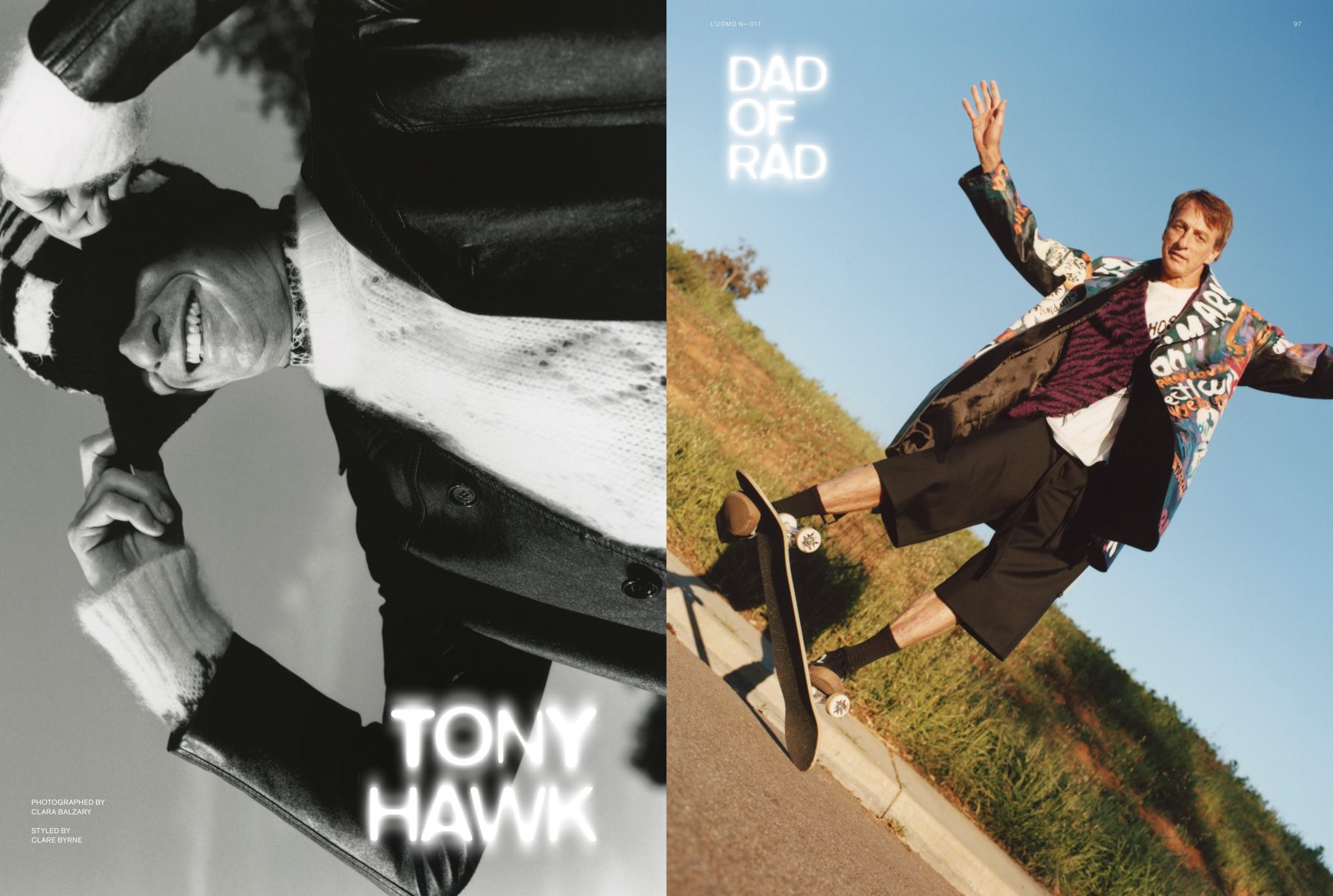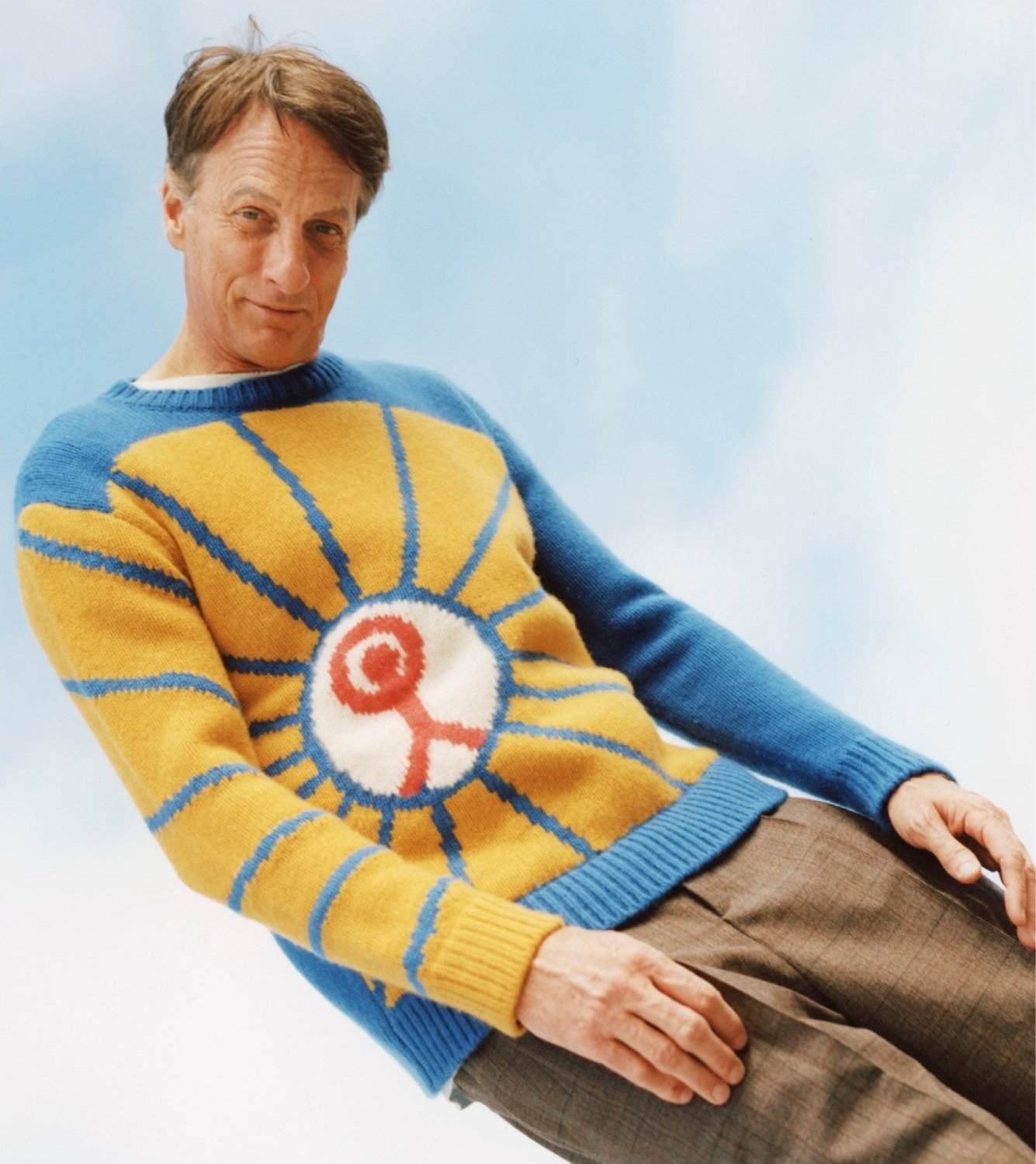
Tony Hawk inhabits that exclusive Olympus of sportspeople who will go down to history as an emblem of excellence in the sport they have practised. Hawk is to skateboarding what Muhammad Ali is to boxing and Eddy Merckx is to cycling.
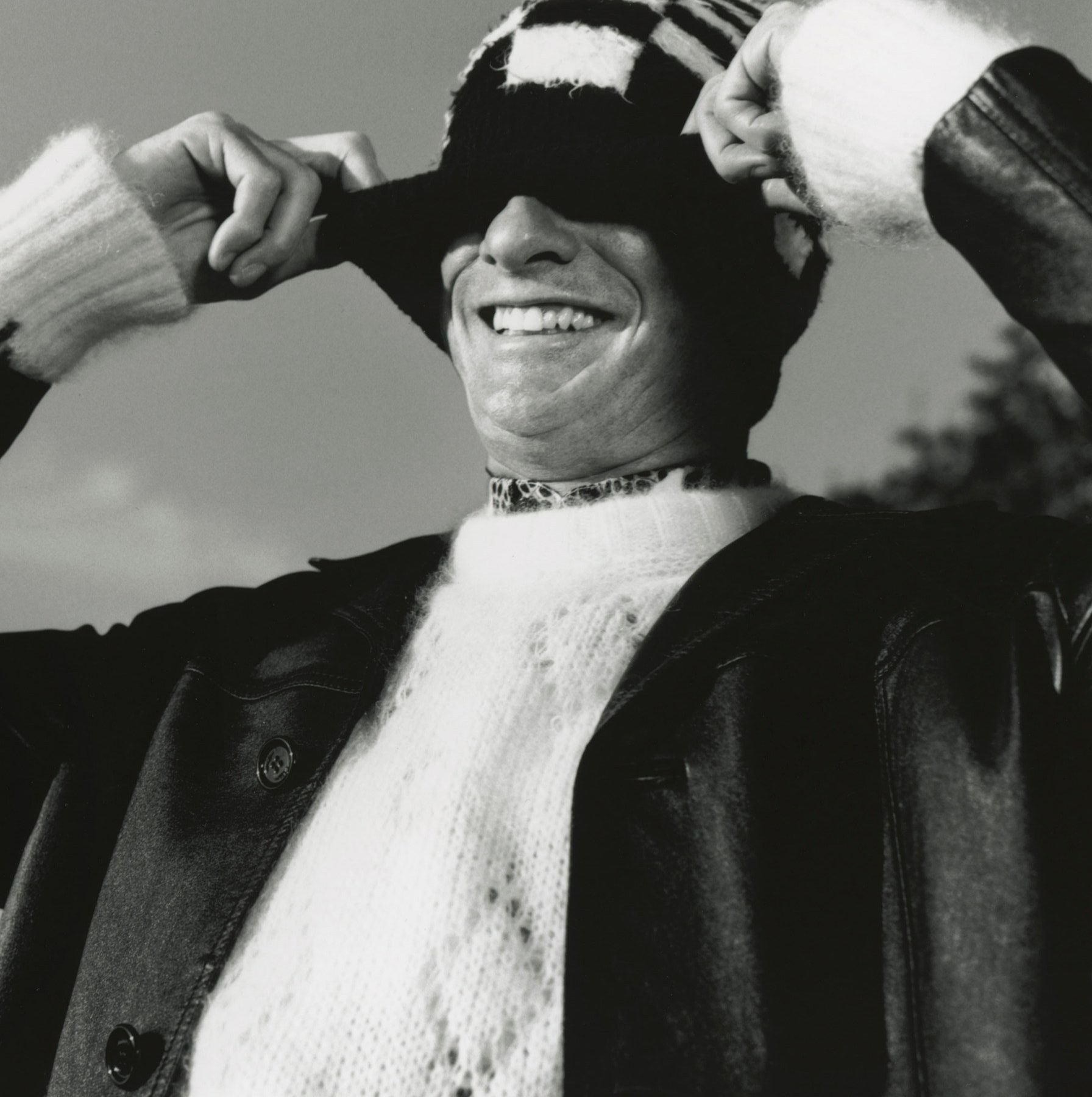
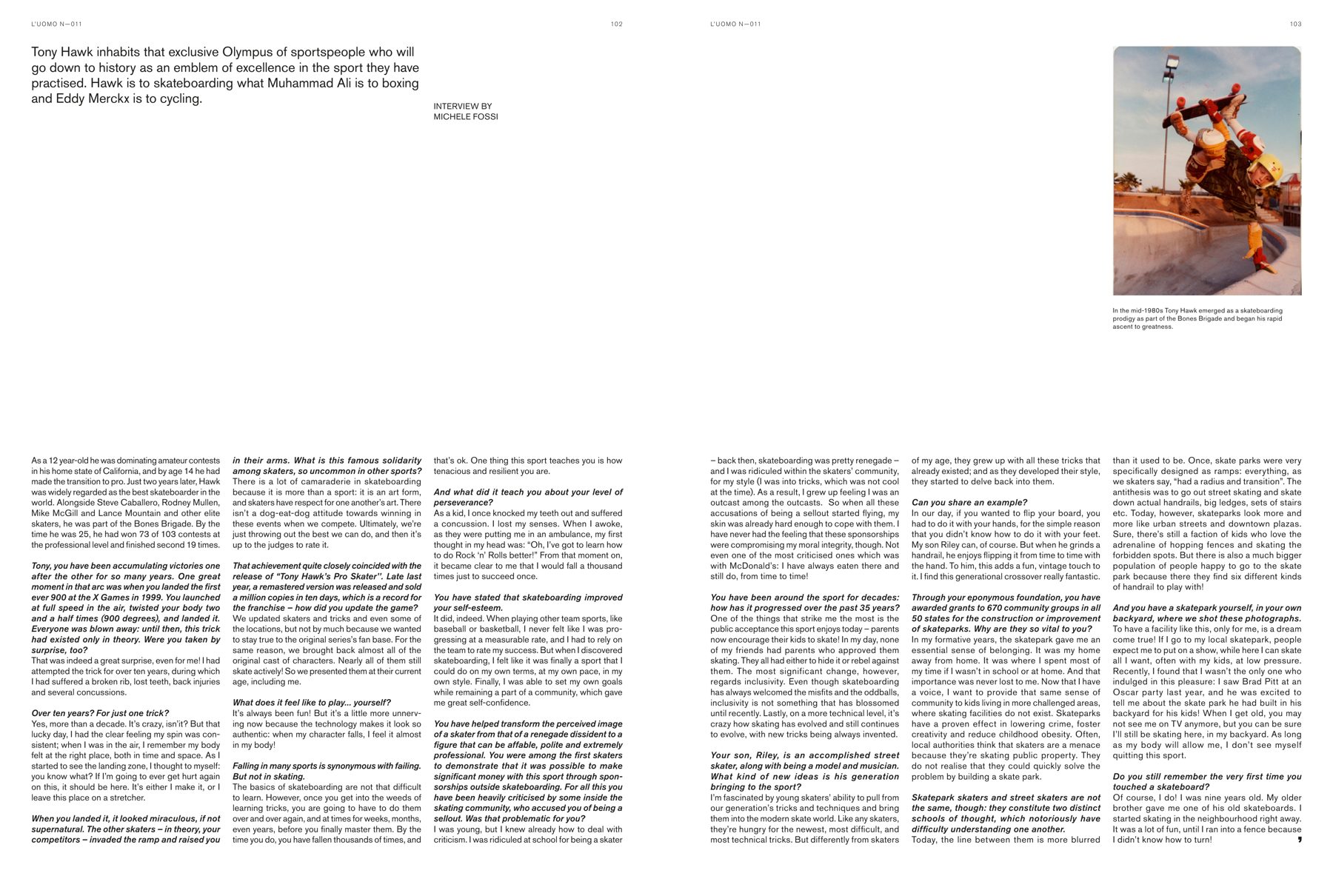
As a 12 year-old he was dominating amateur contests in his home state of California, and by age 14 he had made the transition to pro. Just two years later, Hawk was widely regarded as the best skateboarder in the world. Alongside Steve Caballero, Rodney Mullen, Mike McGill and Lance Mountain and other elite skaters, he was part of the Bones Brigade. By the time he was 25, he had won 73 of 103 contests at the professional level and finished second 19 times.
Tony, you have been accumulating victories one after the other for so many years. One great moment in that arc was when you landed the first ever 900 at the X Games in 1999. You launched at full speed in the air, twisted your body two and a half times (900 degrees), and landed it. Everyone was blown away: until then, this trick had existed only in theory. Were you taken by surprise, too?
That was indeed a great surprise, even for me! I had attempted the trick for over ten years, during which I had suffered a broken rib, lost teeth, back injuries and several concussions.
Over ten years? For just one trick?
Yes, more than a decade. It’s crazy, isn’it? But that lucky day, I had the clear feeling my spin was consistent; when I was in the air, I remember my body felt at the right place, both in time and space. As I started to see the landing zone, I thought to myself: you know what? If I’m going to ever get hurt again on this, it should be here. It’s either I make it, or I leave this place on a stretcher.
When you landed it, it looked miraculous, if not supernatural. The other skaters – in theory, your competitors – invaded the ramp and raised you in their arms. What is this famous solidarity among skaters, so uncommon in other sports?
There is a lot of camaraderie in skateboarding because it is more than a sport: it is an art form, and skaters have respect for one another’s art. There isn’t a dog-eat-dog attitude towards winning in these events when we compete. Ultimately, we’re just throwing out the best we can do, and then it’s up to the judges to rate it.
That achievement quite closely coincided with the release of “Tony Hawk’s Pro Skater’’. Late last year, a remastered version was released and sold a million copies in ten days, which is a record for the franchise – how did you update the game?
We updated skaters and tricks and even some of the locations, but not by much because we wanted to stay true to the original series’s fan base. For the same reason, we brought back almost all of the original cast of characters. Nearly all of them still skate actively! So we presented them at their current age, including me.
What does it feel like to play… yourself?
It’s always been fun! But it’s a little more unnerving now because the technology makes it look so authentic: when my character falls, I feel it almost in my body!
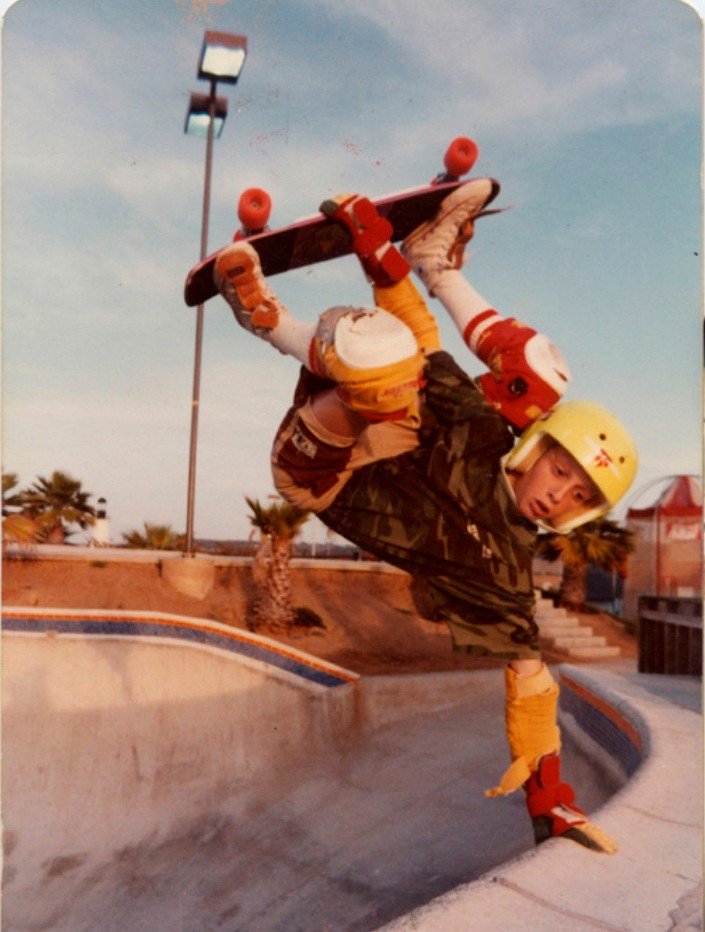
Falling in many sports is synonymous with failing. But not in skating.
The basics of skateboarding are not that difficult to learn. However, once you get into the weeds of learning tricks, you are going to have to do them over and over again, and at times for weeks, months, even years, before you finally master them. By the time you do, you have fallen thousands of times, and that’s ok. One thing this sport teaches you is how tenacious and resilient you are.
And what did it teach you about your level of perseverance?
As a kid, I once knocked my teeth out and suffered a concussion. I lost my senses. When I awoke, as they were putting me in an ambulance, my first thought in my head was: “Oh, I’ve got to learn how to do Rock ‘n’ Rolls better!” From that moment on, it became clear to me that I would fall a thousand times just to succeed once.
You have stated that skateboarding improved your self-esteem.
It did, indeed. When playing other team sports, like baseball or basketball, I never felt like I was progressing at a measurable rate, and I had to rely on the team to rate my success. But when I discovered skateboarding, I felt like it was finally a sport that I could do on my own terms, at my own pace, in my own style. Finally, I was able to set my own goals while remaining a part of a community, which gave me great self-confidence.
You have helped transform the perceived image of a skater from that of a renegade dissident to a figure that can be affable, polite and extremely professional. You were among the first skaters to demonstrate that it was possible to make significant money with this sport through sponsorships outside skateboarding. For all this you have been heavily criticised by some inside the skating community, who accused you of being a sellout. Was that problematic for you?
I was young, but I knew already how to deal with criticism. I was ridiculed at school for being a skater – back then, skateboarding was pretty renegade – and I was ridiculed within the skaters’ community, for my style (I was into tricks, which was not cool at the time). As a result, I grew up feeling I was an outcast among the outcasts. So when all these accusations of being a sellout started flying, my skin was already hard enough to cope with them. I have never had the feeling that these sponsorships were compromising my moral integrity, though. Not even one of the most criticised ones which was with McDonald’s: I have always eaten there and still do, from time to time!
You have been around the sport for decades: how has it progressed over the past 35 years?
One of the things that strike me the most is the public acceptance this sport enjoys today – parents now encourage their kids to skate! In my day, none of my friends had parents who approved them skating. They all had either to hide it or rebel against them. The most significant change, however, regards inclusivity. Even though skateboarding has always welcomed the misfits and the oddballs, inclusivity is not something that has blossomed until recently. Lastly, on a more technical level, it’s crazy how skating has evolved and still continues to evolve, with new tricks being always invented.
Your son, Riley, is an accomplished street skater, along with being a model and musician. What kind of new ideas is his generation bringing to the sport?
I’m fascinated by young skaters’ ability to pull from our generation’s tricks and techniques and bring them into the modern skate world. Like any skaters, they’re hungry for the newest, most difficult, and most technical tricks. But differently from skaters of my age, they grew up with all these tricks that already existed; and as they developed their style, they started to delve back into them.
Can you share an example?
In our day, if you wanted to flip your board, you had to do it with your hands, for the simple reason that you didn’t know how to do it with your feet. My son Riley can, of course. But when he grinds a handrail, he enjoys flipping it from time to time with the hand. To him, this adds a fun, vintage touch to it. I find this generational crossover really fantastic.
Through your eponymous foundation, you have awarded grants to 670 community groups in all 50 states for the construction or improvement of skateparks. Why are they so vital to you?
In my formative years, the skatepark gave me an essential sense of belonging. It was my home away from home. It was where I spent most of my time if I wasn’t in school or at home. And that importance was never lost to me. Now that I have a voice, I want to provide that same sense of community to kids living in more challenged areas, where skating facilities do not exist. Skateparks have a proven effect in lowering crime, foster creativity and reduce childhood obesity. Often, local authorities think that skaters are a menace because they’re skating public property. They do not realise that they could quickly solve the problem by building a skate park.
Skatepark skaters and street skaters are not the same, though: they constitute two distinct schools of thought, which notoriously have difficulty understanding one another.
Today, the line between them is more blurred than it used to be. Once, skate parks were very specifically designed as ramps: everything, as we skaters say, “had a radius and transition”. The antithesis was to go out street skating and skate down actual handrails, big ledges, sets of stairs etc. Today, however, skateparks look more and more like urban streets and downtown plazas. Sure, there’s still a faction of kids who love the adrenaline of hopping fences and skating the forbidden spots. But there is also a much bigger population of people happy to go to the skate park because there they find six different kinds of handrail to play with!
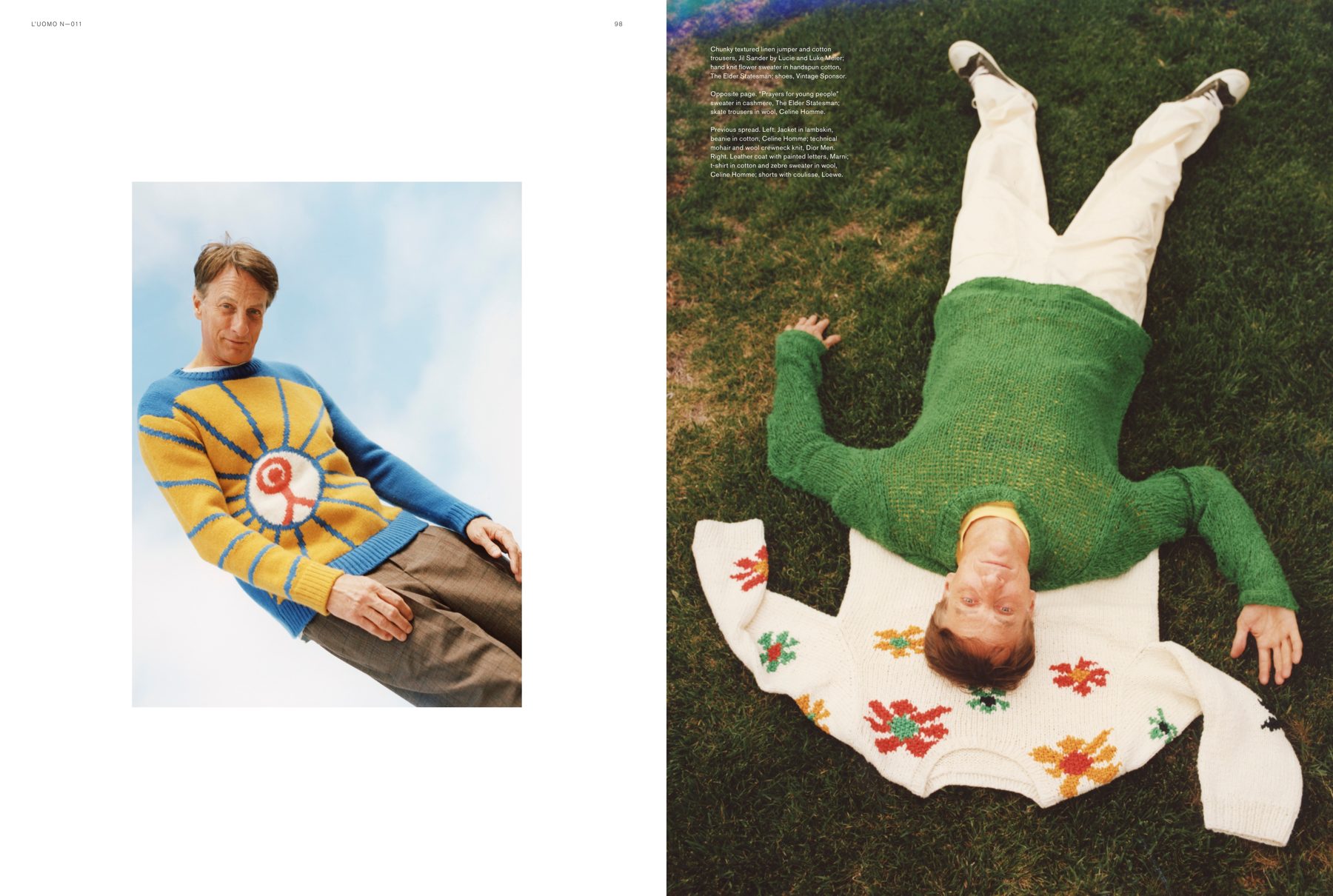
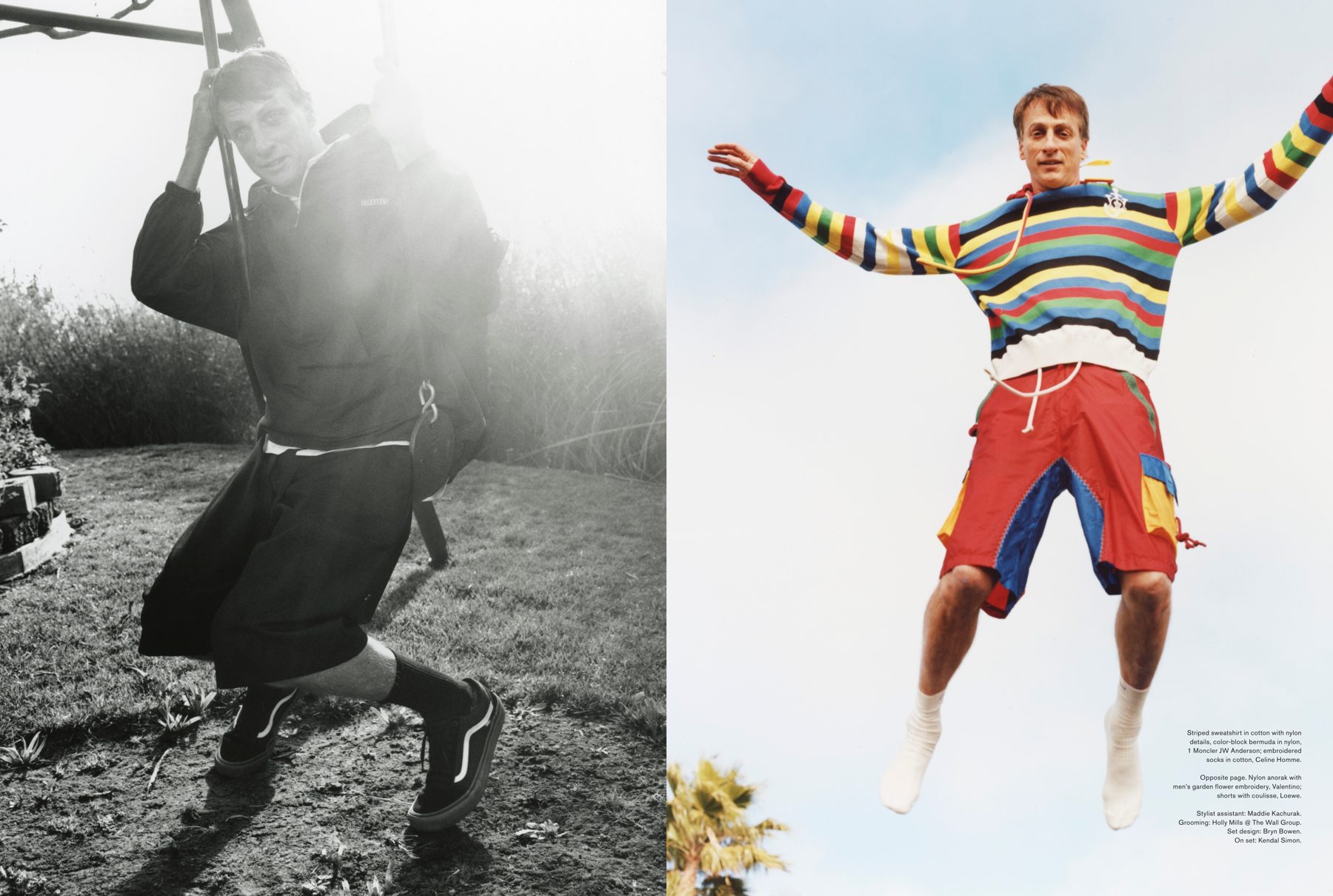
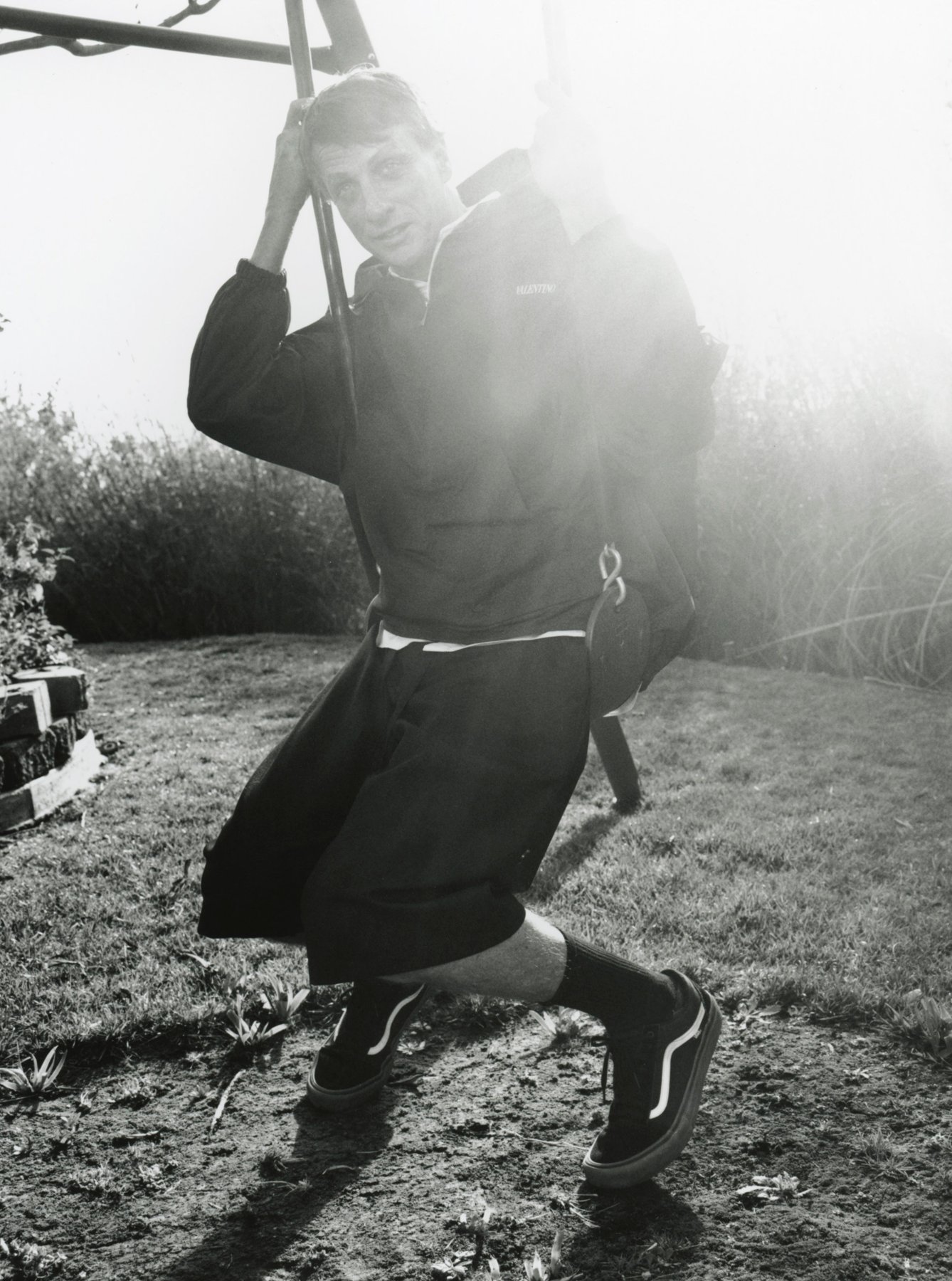
And you have a skatepark yourself, in your own backyard, where we shot these photographs.
To have a facility like this, only for me, is a dream come true! If I go to my local skatepark, people expect me to put on a show, while here I can skate all I want, often with my kids, at low pressure. Recently, I found that I wasn’t the only one who indulged in this pleasure: I saw Brad Pitt at an Oscar party last year, and he was excited to tell me about the skate park he had built in his backyard for his kids! When I get old, you may not see me on TV anymore, but you can be sure I’ll still be skating here, in my backyard. As long as my body will allow me, I don’t see myself quitting this sport.
Do you still remember the very first time you touched a skateboard?
Of course, I do! I was nine years old. My older brother gave me one of his old skateboards. I started skating in the neighbourhood right away. It was a lot of fun, until I ran into a fence because I didn’t know how to turn!
Photography Clara Balzary · Styling Clare Byrne
By Michele Fossi
Published in L’Uomo Vogue, April 2021