For reasons we all know, 2020 has seen a pivot from physical buying to virtual buying in fashion. Here, key players in this transformative moment explain how efficiency and sustainability are served by this approach – without rejecting traditional engagement with garments.

During the frantic initial days of the pandemic, amid cancelled buyer appointments due to coronavirus, many fashion brands and retailers turned to virtual showrooms in record time in a desperate move to save at least part of their business. “We could not believe our eyes. At the end of February, during Milan Fashion Week, we witnessed a sudden fourfold increase in digital orders being written in our virtual showrooms. And that was just the beginning. In the following weeks, we saw a fivefold growth in new brands joining the platform,” says Kristin Savilia, CEO of Joor – the most established digital platform for business-to-business wholesale and the first one to introduce virtual showrooms, three years ago. Savilia believes virtual showrooms are now here to stay. “The industry is learning the hard way, in this tragic circumstance, that this is the way to do business. Both fashion labels and retailers have, by now, become familiar with the countless advantages of a digital process, and won’t go back to their moth-eaten Excel files and printed line sheets.”
Virtual showrooms allow salespeople and buyers to meet virtually in a branded immersive space, populated by shoppable and highly-interactive 360-degree images of the clothing samples, where they can engage in a digital simulation of the wholesale process. By allowing business interaction remotely, they provide a vital “plan B” when, for whatever reason – be it a pandemic or cost restrictions – physical travel is not possible. But they also prove useful when buyers and brands meet in person, serving as a tool to digitalise the whole process.
“You wouldn’t believe how many retailers still approach the buying process in the physical showroom with pencil and paper!” says Heath Wells, co-CEO and co-founder of NuORDER, another widely used business-to-business e-commerce platform which, since May, has been offering virtual showrooms among its features. “Virtual showrooms allow for a higher degree of transparency, efficiency and quick order turnaround times. But most importantly, they allow buyers to finally have a detailed overview of their orders across different brands. ‘How many white T-shirts or flowered trousers did I already buy?’ Now they have a way to find out with a click, thereby optimising the acquisition procedure and reducing the risk of unbalances in their assortment.” Furthermore, Wells is convinced that wholesale digital technology has the potential to help small-size, brick-and-mortar retailers in their struggle to compete with online behemoths such as Zalando or Amazon. “Small shop owners, unable to travel to trade shows and physical showrooms for budget limitations, can now use virtual showrooms to scout niche labels more efficiently than in the past, thereby building more curated and competitive brand portfolios.”
But virtual showrooms, conversely, can help brands expand their buyer base internationally, too, by potentially enabling direct interaction with thousands of small-size retailers, spread all over the world, who do not have the resources to attend fairs and showrooms abroad. “Together, many tiny crumbs can make a panettone,” says Stefano Righetti, CEO of Hyphen – a digital transformation consulting company that hit the headlines, last February, for creating Ferragamo’s tailor-made virtual showroom. And in record time: just 12 days. Virtual showroom technology, he believes, is destined to create a strong synergy with 3D fashion design. “A quarter of Versace’s last collection was designed at the computer in 3D, not dissimilarly from how industrial designers use AutoCAD to prototype a lamp or a chair. Once you have a 3D digital file of the single items in your collection, there are in principle no limits as to how much you can customise them in a virtual showroom. Is the buyer curious to see how that jacket would look in red? You can now show them, by generating a real-time 3D rendering of it. I’m convinced that the advent of virtual showrooms will push further the already fast-growing trend of personalisation in fashion. There will also be positive repercussions in terms of sustainability: you only go to the factory after you’ve signed the orders, and colours and other client-specific customisations have been decided.”
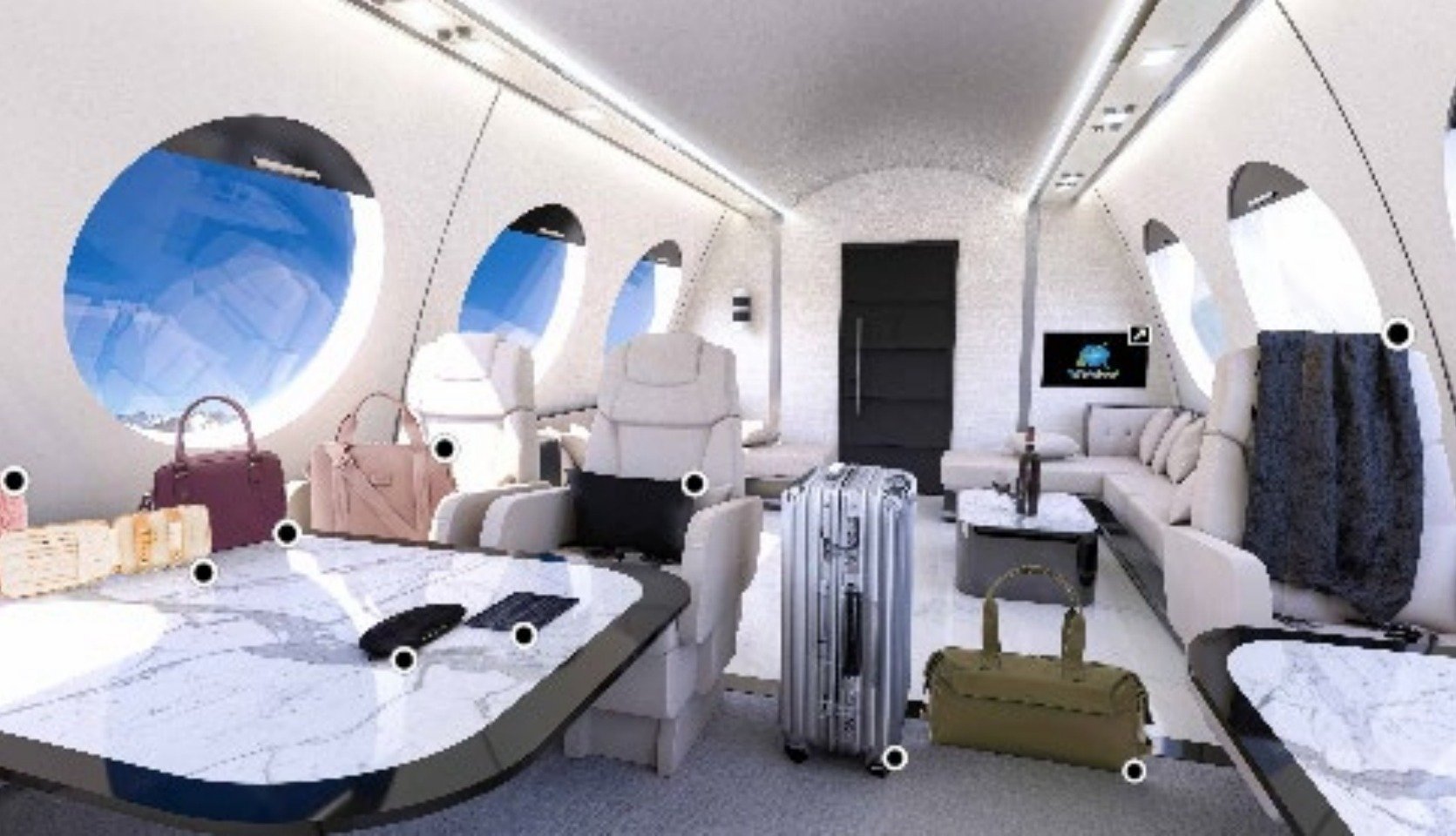
Following the Covid-fuelled spike in interest for digital showrooms, their features have been significantly redesigned and expanded over the past few months. Besides 360-degree images and texts, brands opting for standard virtual showrooms such as Joor’s or NuORDER’s can now also showcase their latest runway show or demonstrate the fit and movement of specific garments with shoppable videos by item; artificial intelligence allows for the automatic tagging of products. Several new customisation options have been added, too. Interestingly, brands can now also adapt their showrooms quickly to the profile of each buyer, sending them invitations to a personalised virtual showroom, where they can choose to show only a subset of their collections.
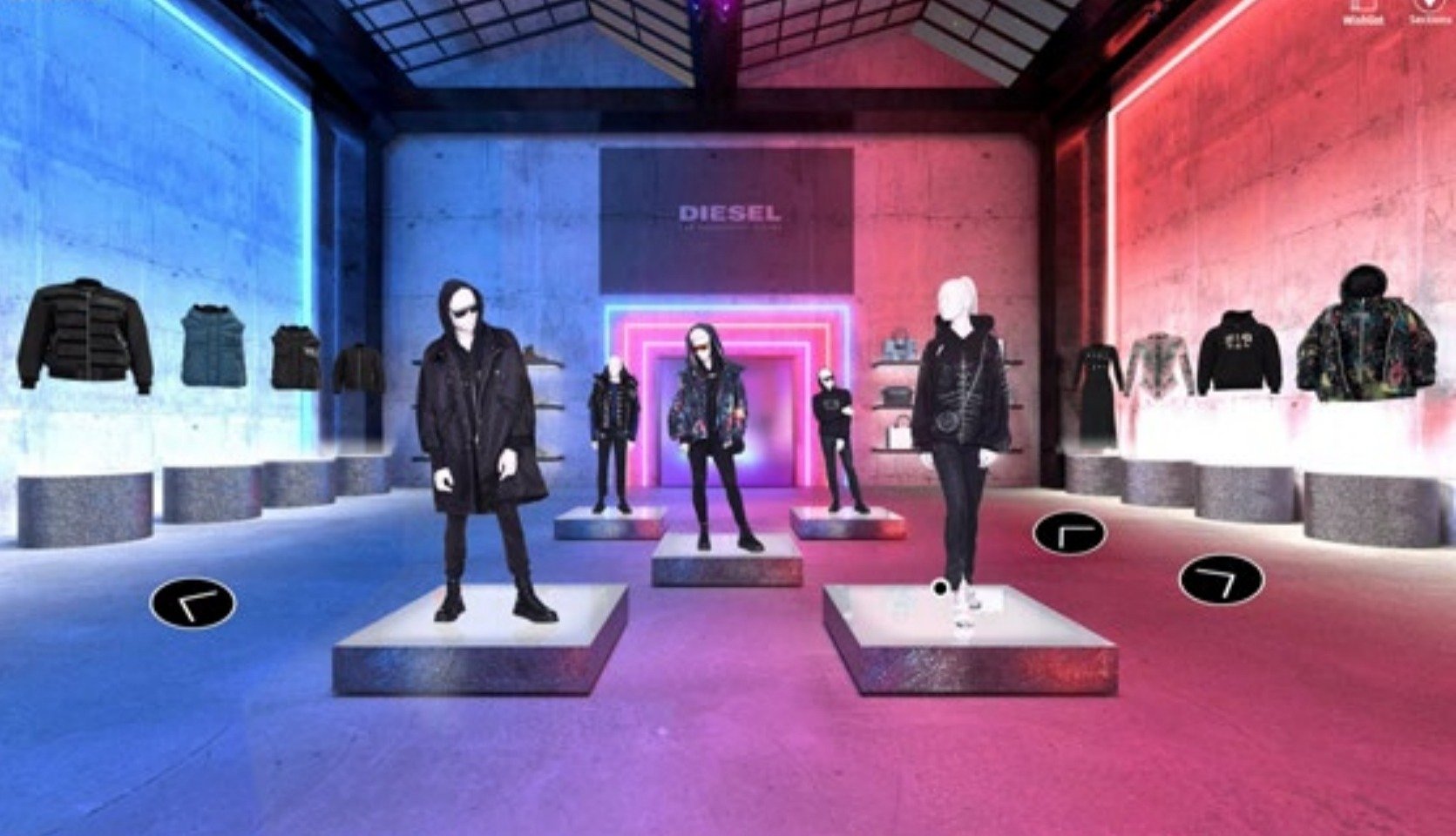
Other brands, following the example of Ferragamo, have started building their own. Particularly futuristic, emotional and immersive is the experience offered by Diesel’s virtual showroom Hyperroom, launched on 25 June. Rather than scrolling down through a list of interactive images of products, Hyperroom simulates in every respect a visit to the Italian denim brand’s physical showroom in Milan, with hyper-realistic effects. “We wanted buyers to be involved in a complete journey that goes beyond the typical showroom appointment. The digital walk-through experience starts with a digital window, which creates an emotional connection with the viewer, while simultaneously showing the mood and the most iconic pieces offered. From there, a multifaceted arena of interactive components unfolds,” explains Diesel’s new CEO Massimo Piombini. He, too, stresses the positive impact that virtual showrooms will have on sustainability. “As well as reducing the need for buyers to travel to view the brand’s new collections, both within Milan and from abroad, which will lead to significant savings in CO2 emissions, this new buying platform will enable us to reduce significantly the number of clothing samples created.”
Neha Singh, CEO of Obsess, the virtual reality software platform for experiential shopping that has collaborated with Diesel for this project, believes the immersive technology used for Hyperroom could soon revolutionise the way everyday consumers, not just professional buyers, shop online. “The monotonous grid e-commerce interface hasn’t changed since it was created by Amazon 25 years ago to sell books. New technologies that make virtual reality easily accessible now have the potential to transform e-shops from mere digital catalogues to highly realistic simulations of physical spaces, thus turning online shopping into an immersive and exciting experience for everyone.” Meanwhile, virtual showroom technology has been deployed, with a certain degree of success, for a far more urgent matter: saving fashion trade shows during the pandemic through their digitalisation. Last June, Joor sponsored the first digital-only edition of London Fashion Week, by helping to configure virtual showrooms of all 63 participating brands. In July, the same experiment was repeated with Premium, Seek and Liberty. More recently, NuORDER powered the first digital editions of Informa Markets Fashion and Milan’s international shoe fair MICAM.
The idea of creating a virtual counterpart of a fashion fair is not new. In 2011, Pitti Uomo organiser Pitti Immagine launched e-Pitti – a digital platform enabling visitors to access digitally all collections presented at the Florence-based menswear trade show. The experience proved successful: e-Pitti added new dimensions to the physical fair’s experience, both for exhibitors and retailers. In particular, it allowed them to find each other and engage in business for several weeks after the closure of the real-world event. However, it never ended up making the latter obsolete, remaining over the years the digital “extension” to the physical fair it had been imagined to be at the very start. But with virtual showroom technology improving at light speed, will the digital end up absorbing the real, one day?
“I very much doubt we will ever get to the point when everything is digital,” says Riccardo Grassi, the founder and CEO of the eponymous multi-brand showroom in Milan.
He goes on to explain that clothes lose their “quintessence” when moved from a physical showroom to a digital one, regardless of how detailed their 360-degree images are. This idea is reminiscent of Walter Benjamin’s belief – theorised in his 1935 essay The Work of Art in the Age of Its Technological Reproducibility – that the reproduction of a work of art irreparably compromises its aura. “It’s simply not the same,” says Grassi. “Fashion-buying is a very tactile and sensorial business. Buyers, especially in the luxury sector, want to touch fabrics with their fingers and see colours with their own eyes. Nuances and details, in our world, are everything. If anything, we’ll see digital and physical coexist, complementing each other more and more. As a tool to add orders during the year, in between real-life encounters, virtual showrooms are pretty cool.”
Welsch, Richetti and Savilia share a similar vision to Grassi’s regarding the post-pandemic era: the winning combination, both for showrooms and tradeshows, is “omnichannel”. “Despite improvements in virtual technology and more industry adoption, no one here at Joor anticipates a complete replacement of in-person showrooms or trade shows,” says Savilia. “Most likely, we’ll see an increasingly balanced synergy between physical and digital, the same way both brands and retailers have reached an equilibrium over the past decade between in-store and online presence. I still remember when the internet arrived, in 1995, and the idea started circulating that one day we’ll only have websites. Not only did this never happen, but today, somewhat ironically, we’re seeing many purely online retailers, like Amazon, turning part of their business to brick-and-mortar stores. Physical and digital have always been, and always will be, intertwined.”
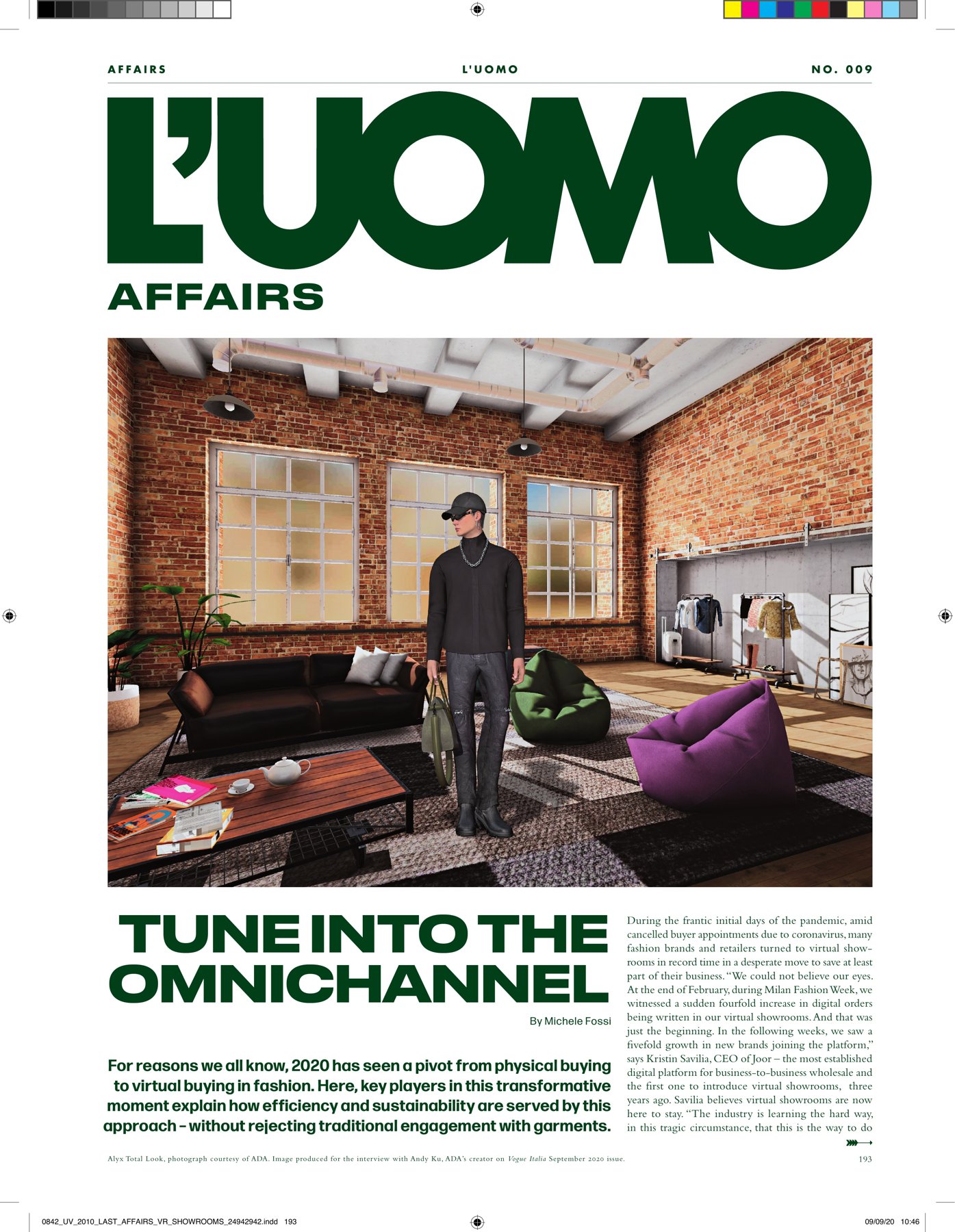
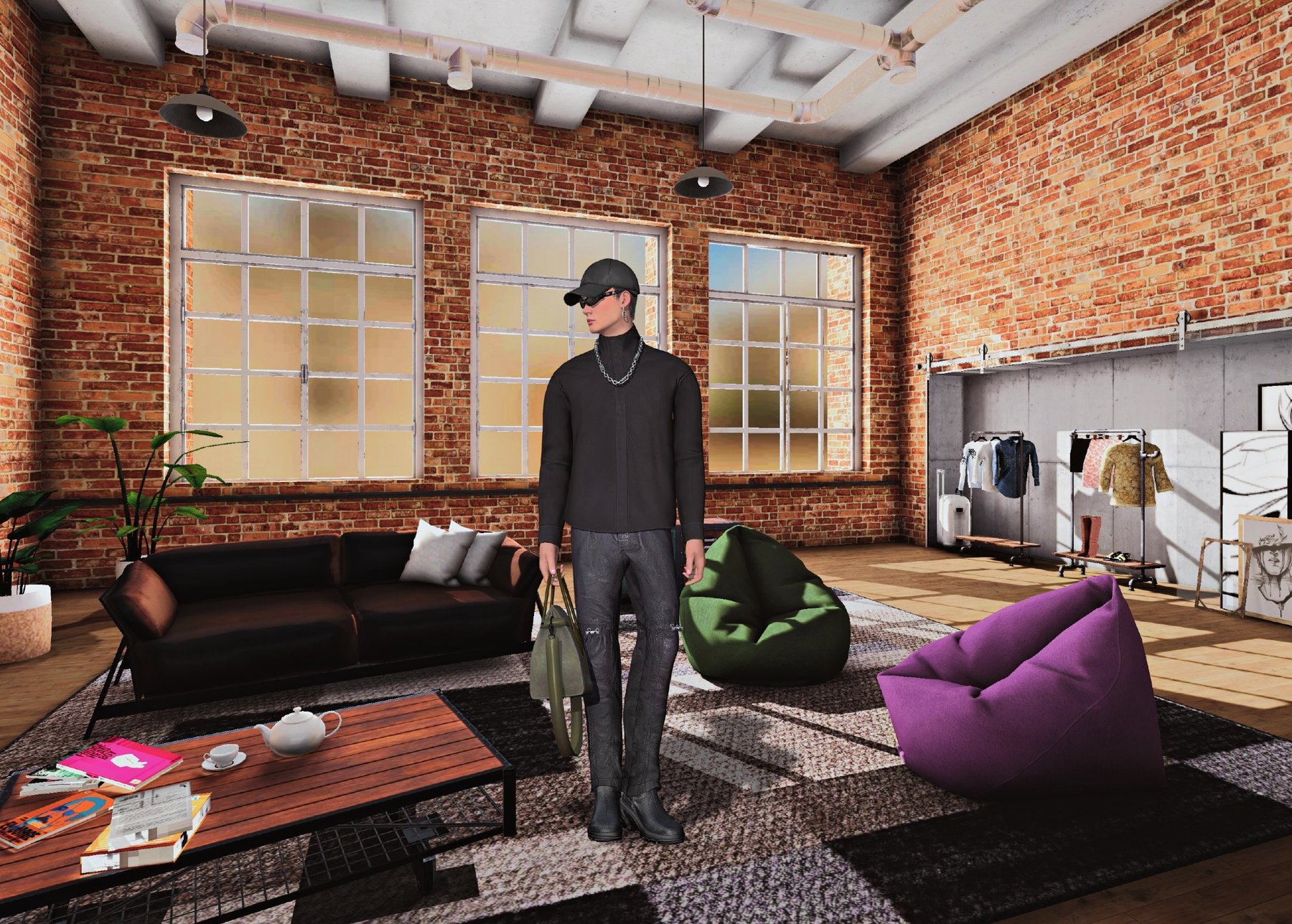
In apertura: Alyx total look, photograph courtesy of ADA. Image produced for the interview with Andy Ku, ADA’s creator on Vogue Italia September 2020 issue. · Kristin Savilia, CEO of Joor, at a meeting in the company’s New York headquarters. · Fashion companies are increasingly looking to virtual showrooms as an addition to their arsenal of resources with which to interact with buyers. Diesel launched its Hyperroom in July as a digital space designed to replicate its physical showroom in Milan, through which buyers can walk-through from afar. The aim is to reduce environmental impact without compromising on the impact of the showroom experience. The first Italian brand to build a virtual showroom was Salvatore Ferragamo.
By Michele Fossi
Published in L’Uomo Vogue, October 2020