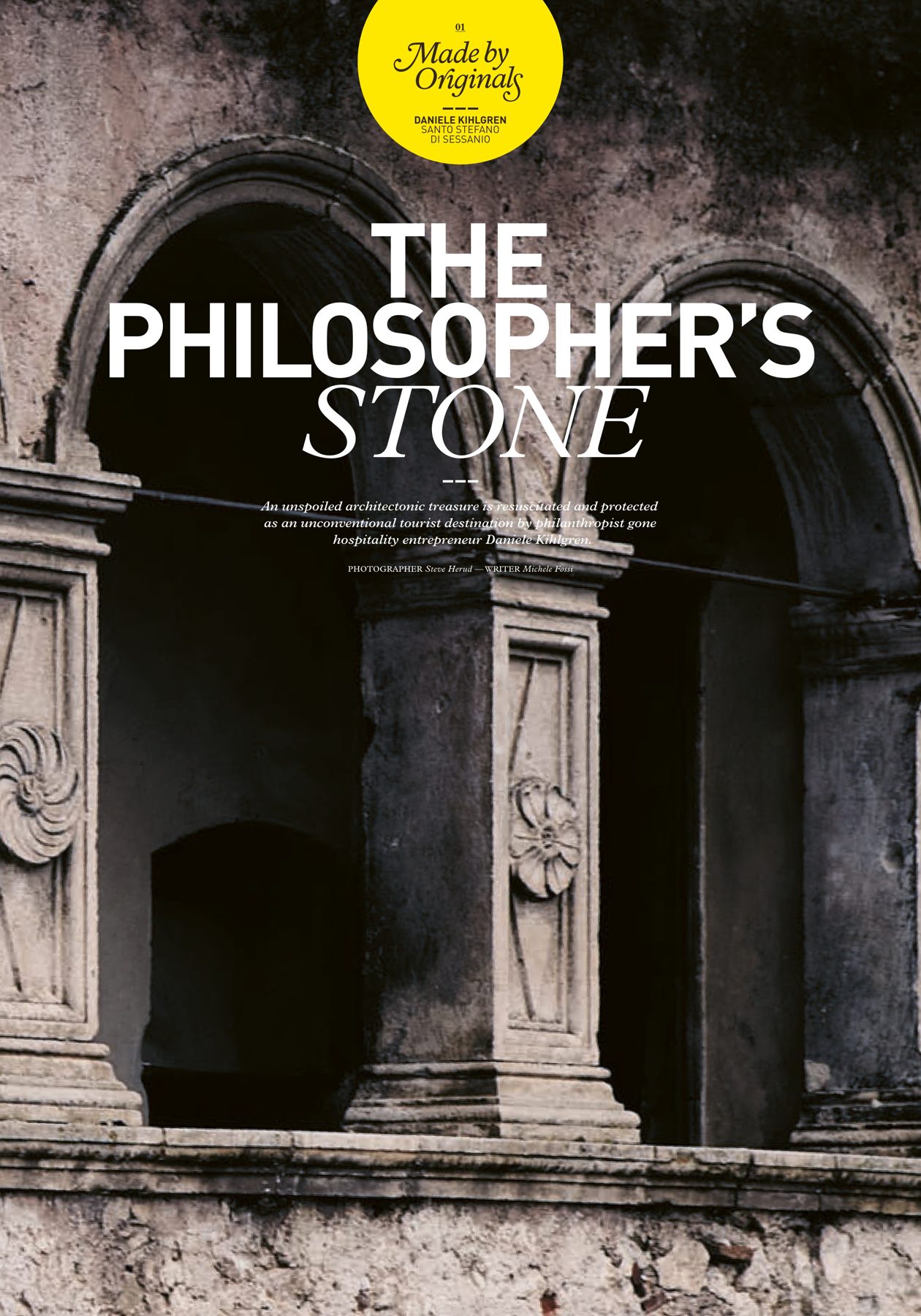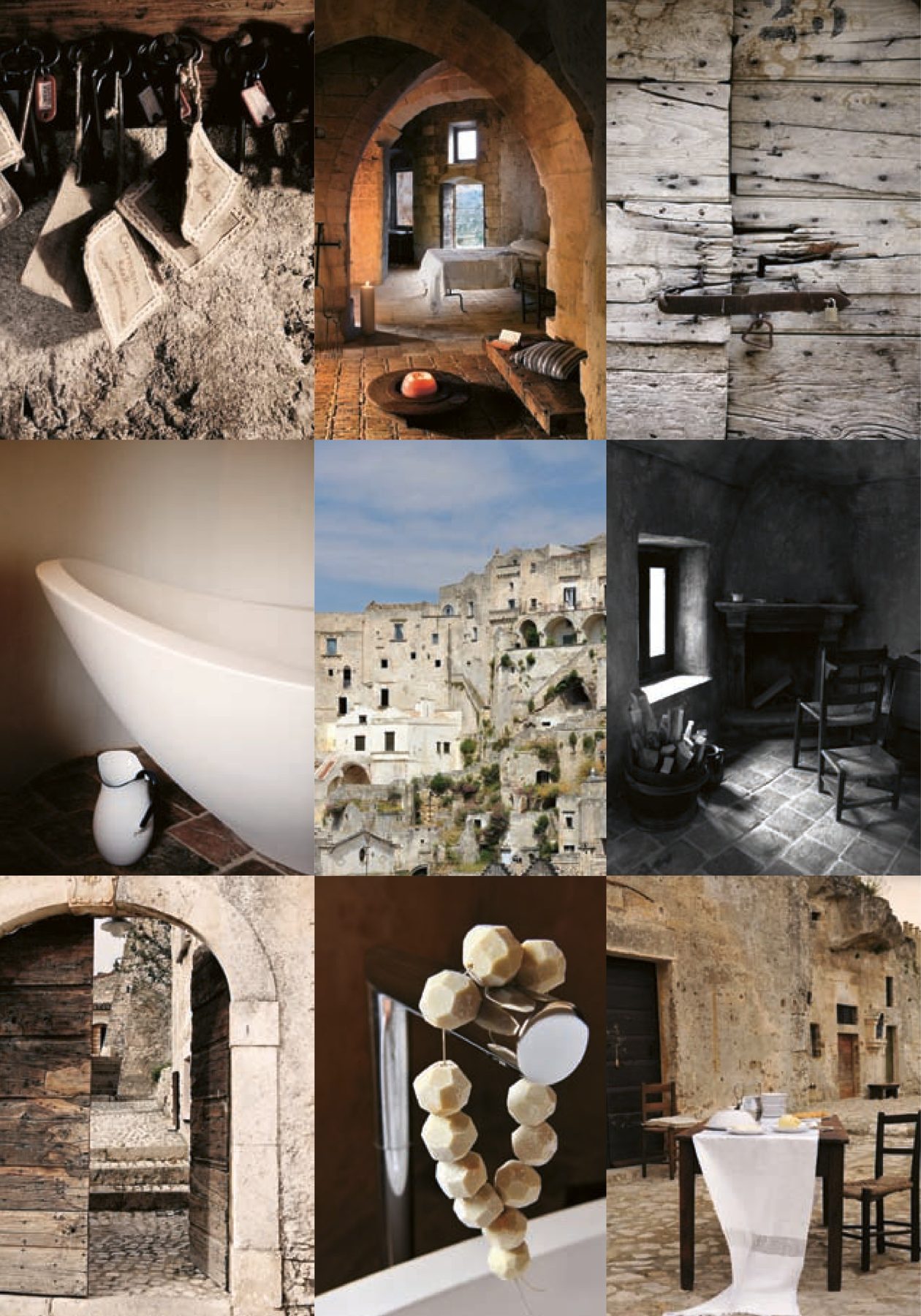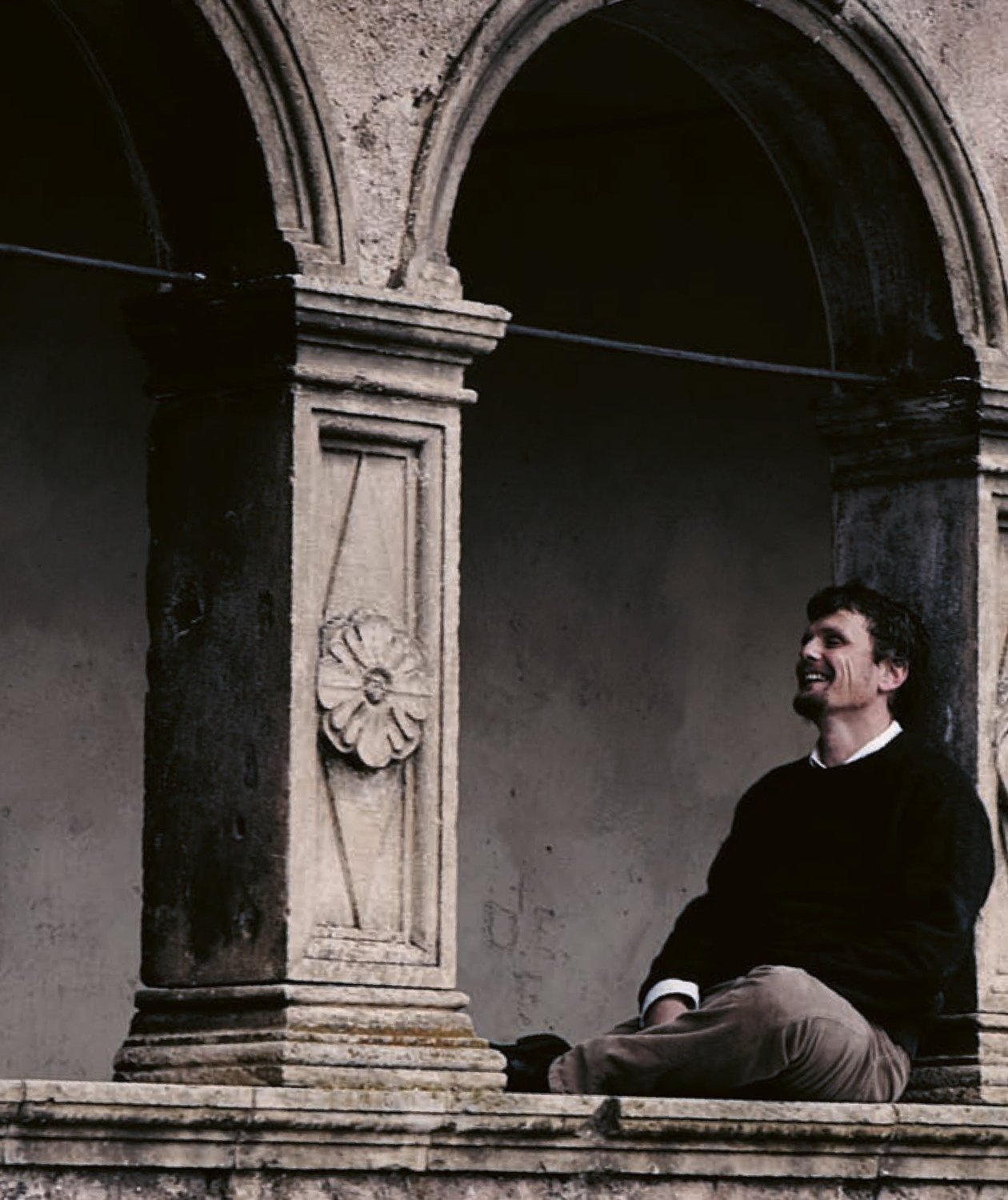
An unspoiled architectonic treasure is resuscitated and protected as an unconventional tourist destination by philanthropist gone hospitality entrepreneur Daniele Kihlgren.
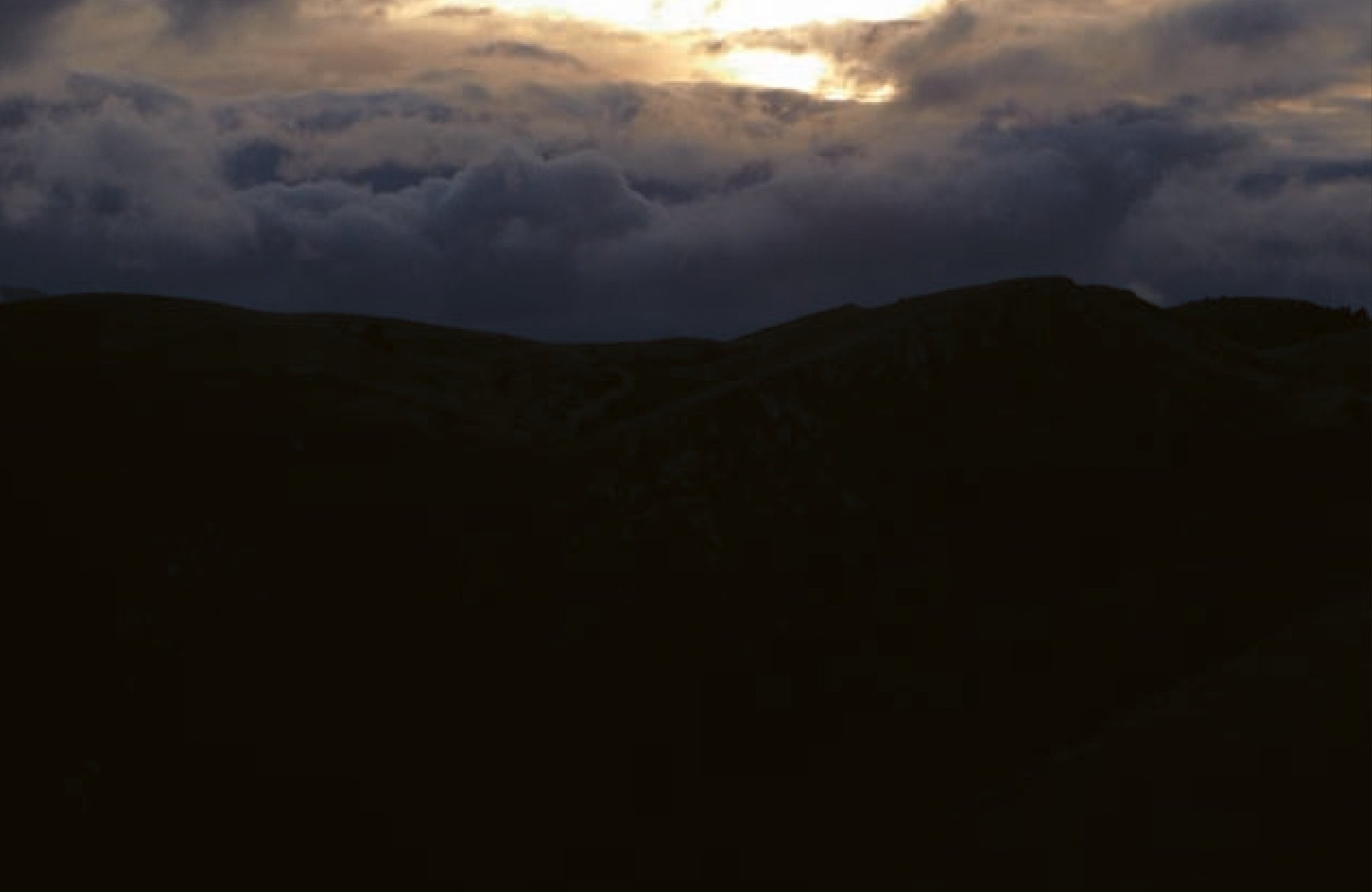
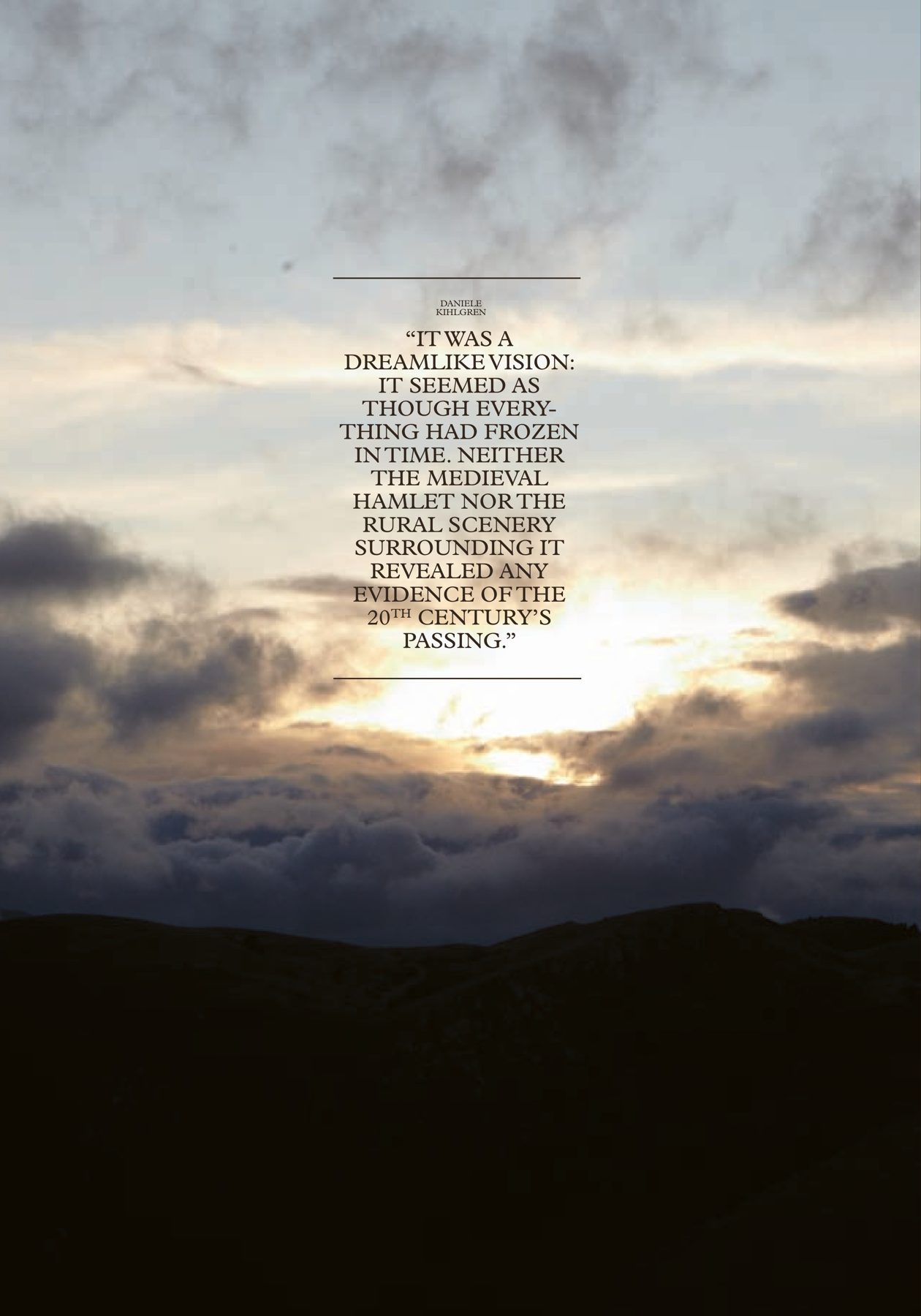
“It was a dreamlike vision: it seemed as though everything had frozen in time. Neither the medieval hamlet nor the rural scenery surrounding it revealed any evidence of the 20th century’s passing. No concrete buildings, no industrial sheds or warehouses. Before me stood the ethereal image of an abandoned stone village that fit perfectly into its rural milieu.”
With these words, philanthropist, historian of philosophy and hospitality entrepreneur Daniele Kihlgren renders his impressions of the fateful day ten years ago that forever changed his life: on that day he serendipitously discovered the fortified medieval burgh of Santo Stefano di Sessanio in Abruzzo.
“It was like a dim light on the way to Damascus,” he continues. “In sight of this epiphany, I got off my motorcycle and started contemplating. In front of me I had a true rarity: an unspoiled architectonic treasure that merged seamlessly with its natural surroundings and bore no trace of the recent and all-too-pervasive urban developments plaguing our country. The territory’s ancestral charm and integrity were paradoxically preserved by the same socio-economic transformations that had led to its complete evacuation.”
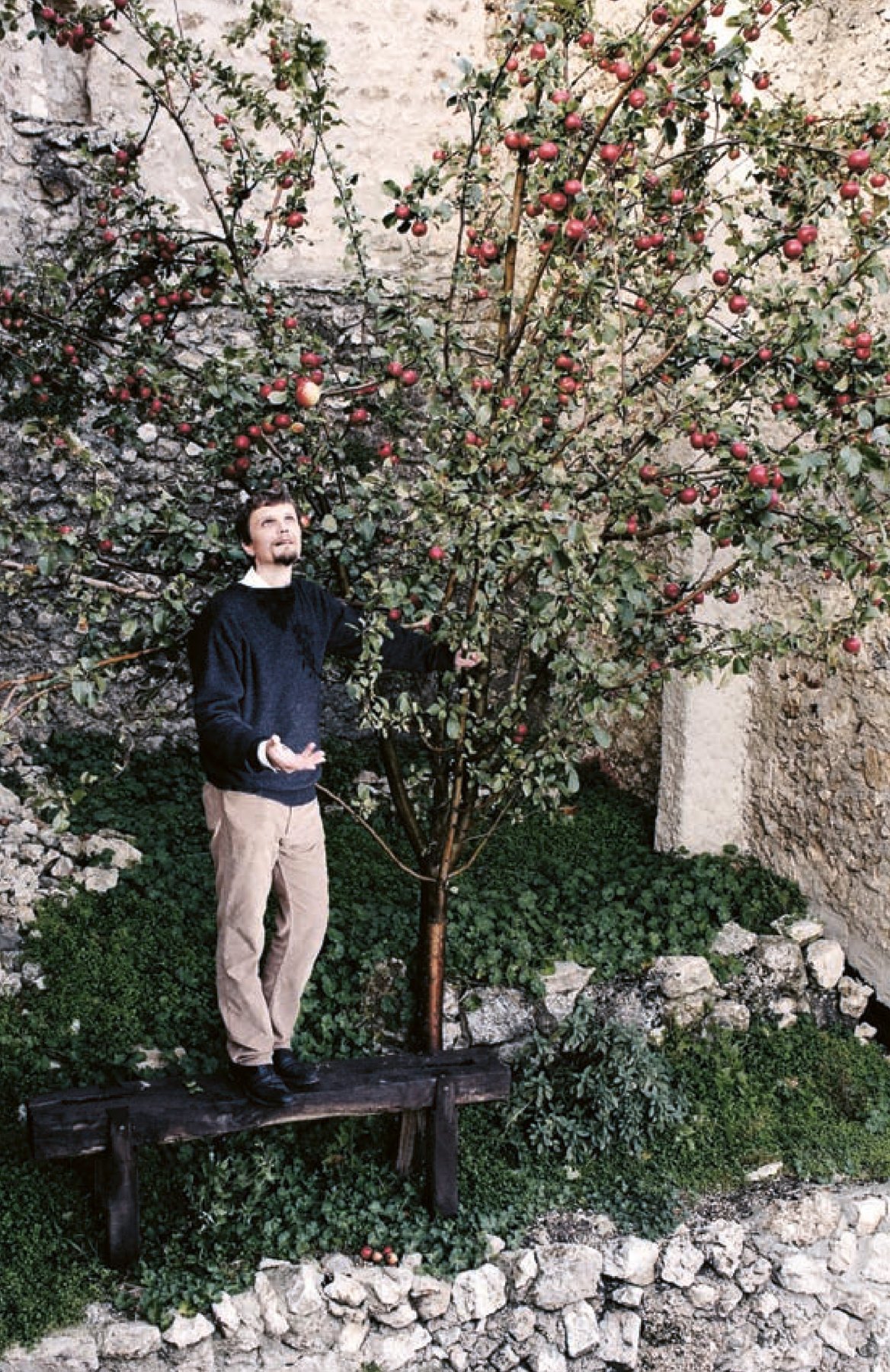
His intuition proved to be tremendously acute. Kihlgren set out to resuscitate Santo Stefano and other forgotten medieval wonders with the potential to be valued as unconventional tourist destinations, an effort that shares its core principles with the broader credo of sustainable tourism. “It was clear to me that the pristine equilibrium between medieval architecture and its surroundings, which was endangered by the schemes of real-estate speculation, required special and significant safeguarding.”
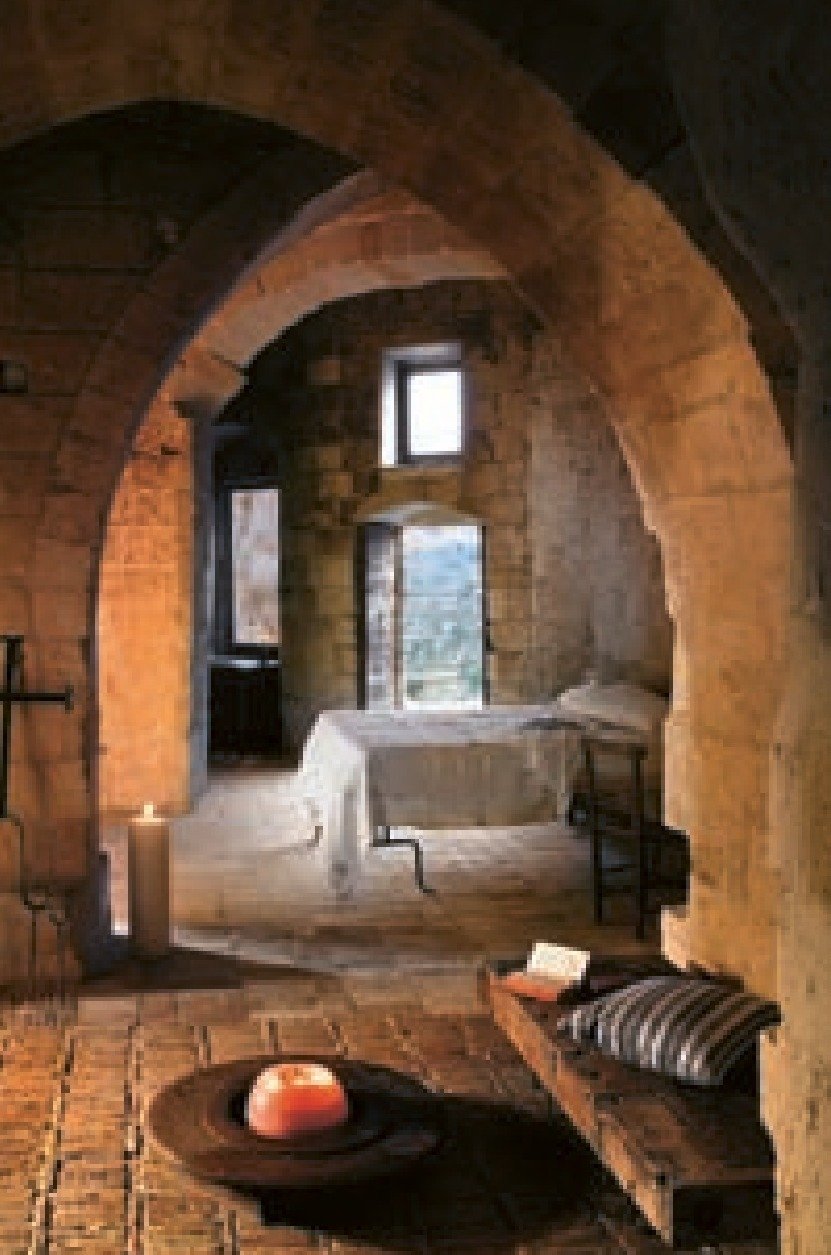
“It’s not a single palazzo, church or piazza that gives this place its unique charm,” he explains. “When it comes to medieval castles, the key is the holistic perception of the harmony between the anthropic element and its natural environment. Just one single alien construction, and the spell is broken.”
Kihlgren promptly began negotiating with the local council and the National Park Authority to seek to prevent any new construction in the village and to protect its neighbouring territory from unsympathetic development. Local authorities proved to be far-sighted enough to sign a document, the first of its kind in southern Italy, stating that the integrity of the village/territory relation is to be explicitly preserved and, additionally, that no new structures are to be built.

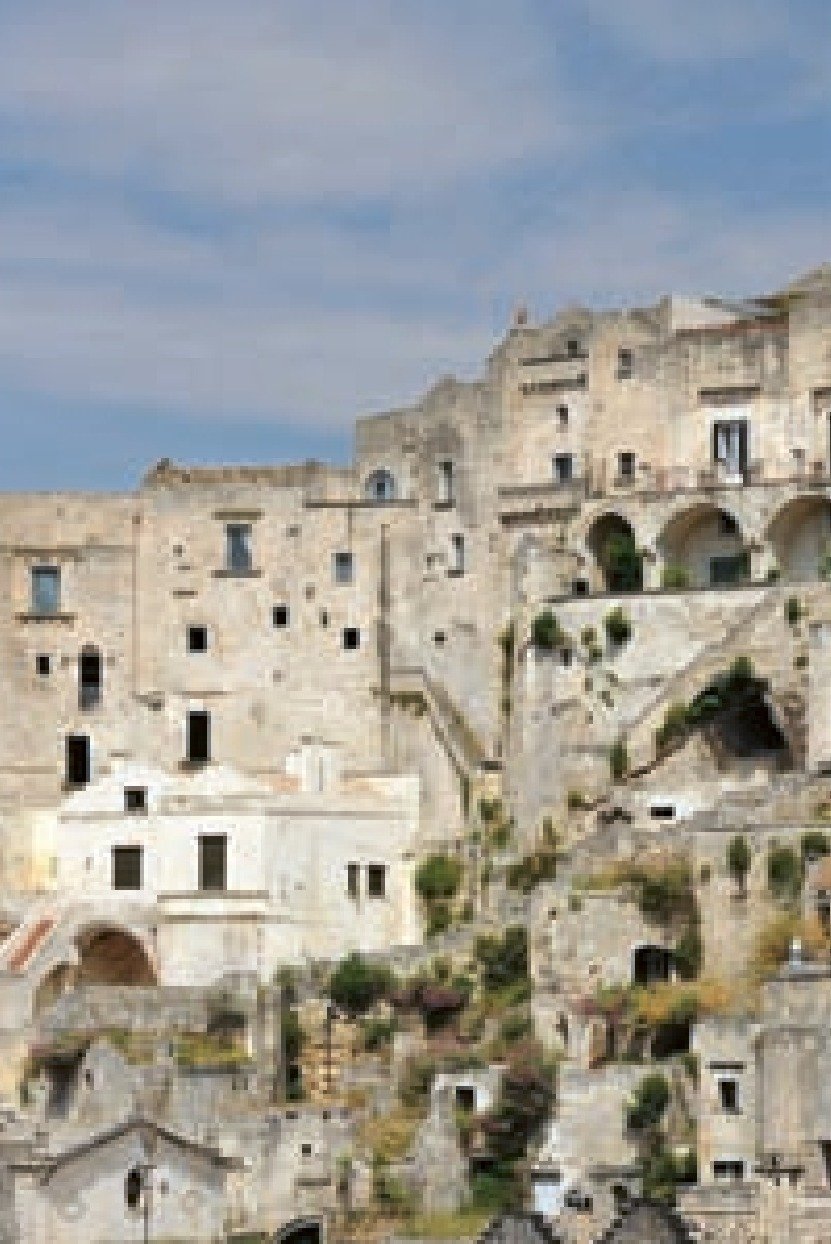
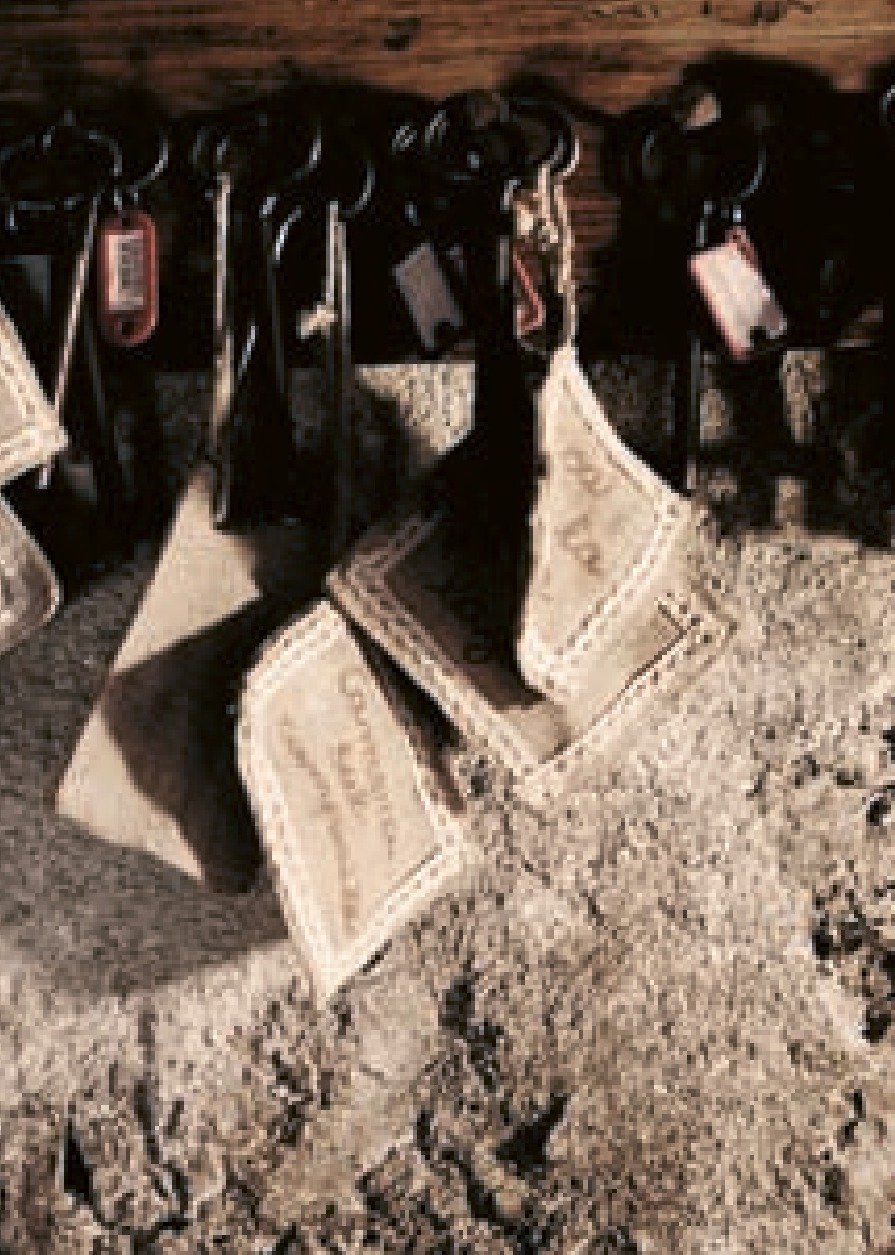
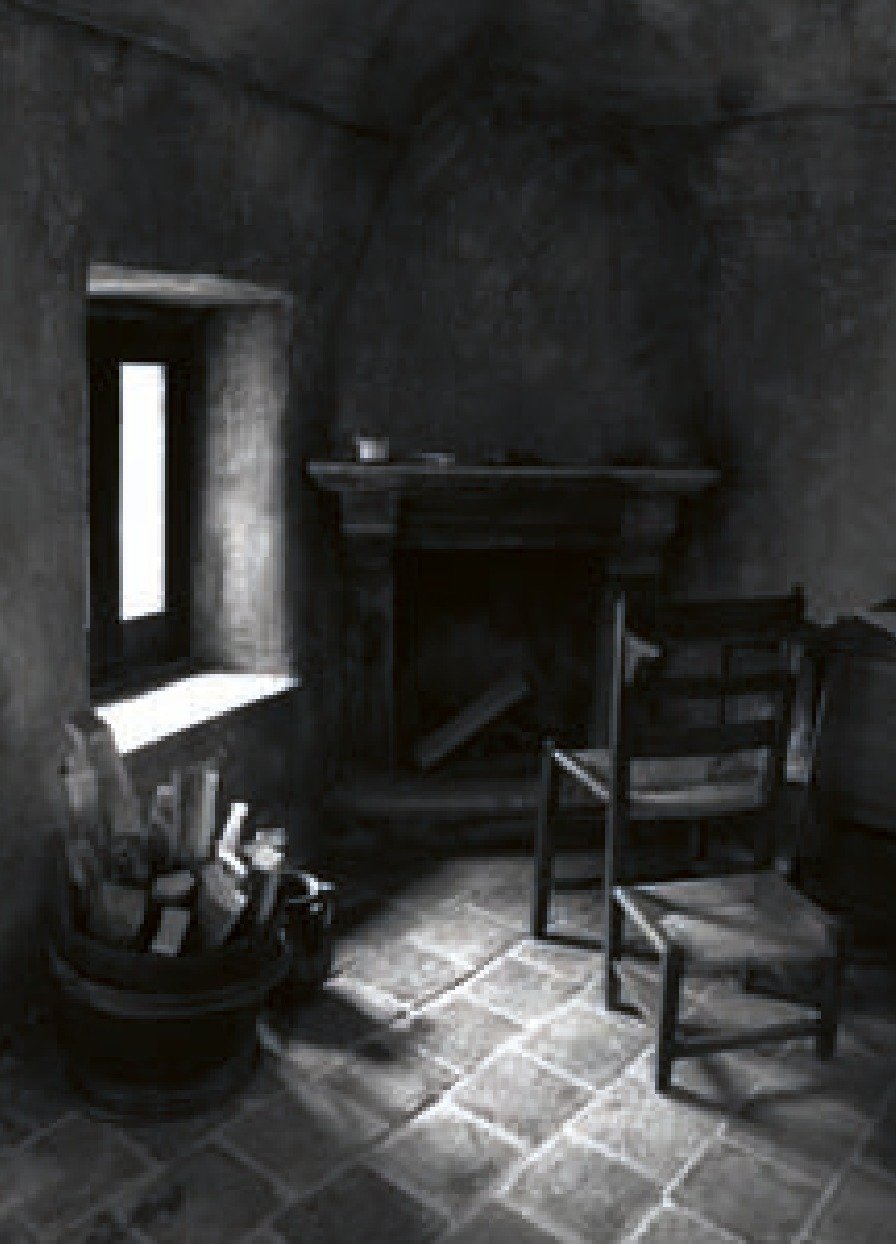
Not many years later, the Sextantio Albergo Diffuso in Santo Stefano came to life. Twenty-eight rooms located in six different medieval structures feature regionally endemic furnishings and handcrafts, windows that open onto stunning views of the valley and surrounding mountains, and marvellous original fireplaces. In collaboration with local anthropologists, archaeologists and craftspeople, Kihlgren set out to revive the village’s cultural and culinary traditions. An archivist from the Museo delle genti d’Abruzzo was enlisted to take on the project of researching local recipes and the original crops, many of which had been long forgotten, such as indigenous mountain grains and herbs. “Although this research was done only for its intrinsic cultural value, it surprisingly held the key to the economic success of the whole endeavour. It activated an economic flow that for the first time in 150 years inverted the generalised process of leaving the valley in search of work elsewhere. Now people come from the mountains back to the valley.”
Sextantio Albergo Diffuso is an extraordinary olfactory experience. A reassuring scent of antique wood, protected by the quietness of the mountains, permeates each room. The aroma of the rigorously local products of Abruzzese rural cuisine invades the tiny streets neighbouring the restaurant, conjuring up the warm and joyful atmosphere of centuries of shared meals. All technology found in the finest modern hotels (such as heated floors and wireless Internet networks) has been craftily concealed to preserve the original ascetic austerity.
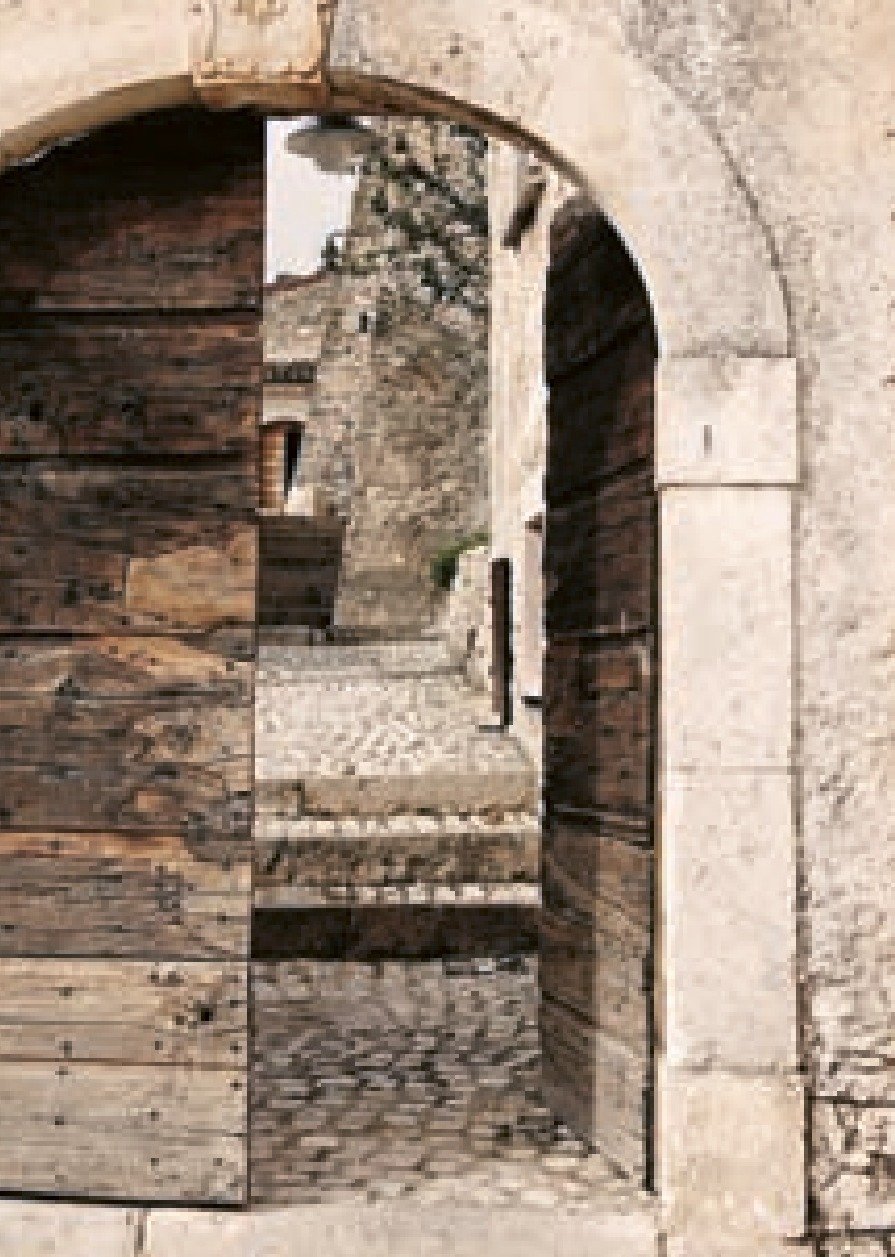
Kihlgren’s conservative development model proved a remarkable economic success: the hotel is booked all year round, the number of commercial activities and their turnover have increased exponentially, and the price per square metre of property in Santo Stefano has skyrocketed in just a few short years. Moreover, it brought the former ghost village back to life. Santo Stefano now boasts approximately 120 inhabitants, whereas before it barely had half that number. Kihlgren ensures that the village’s transformation into a tourist destination has not compromised its harmonious relationship with the landscape, one that still relies on the chromatic correspondences between the greys of the surrounding mountains and those of the local stone used in the construction of the buildings. “More than newspaper articles, prizes, invitations to meetings, et cetera – what is really important is that at some point the success of these projects will be recognised by an increasing number of the southern regions’ local administrators. They will realise that these lands do not need financing but rather specific laws that aim to protect them.” He adds, “The news has spread,” referring to local authorities in other such townships in southern Italy who allegedly have contacted him to repeat the “Miracle of Santo Stefano” in their villages.
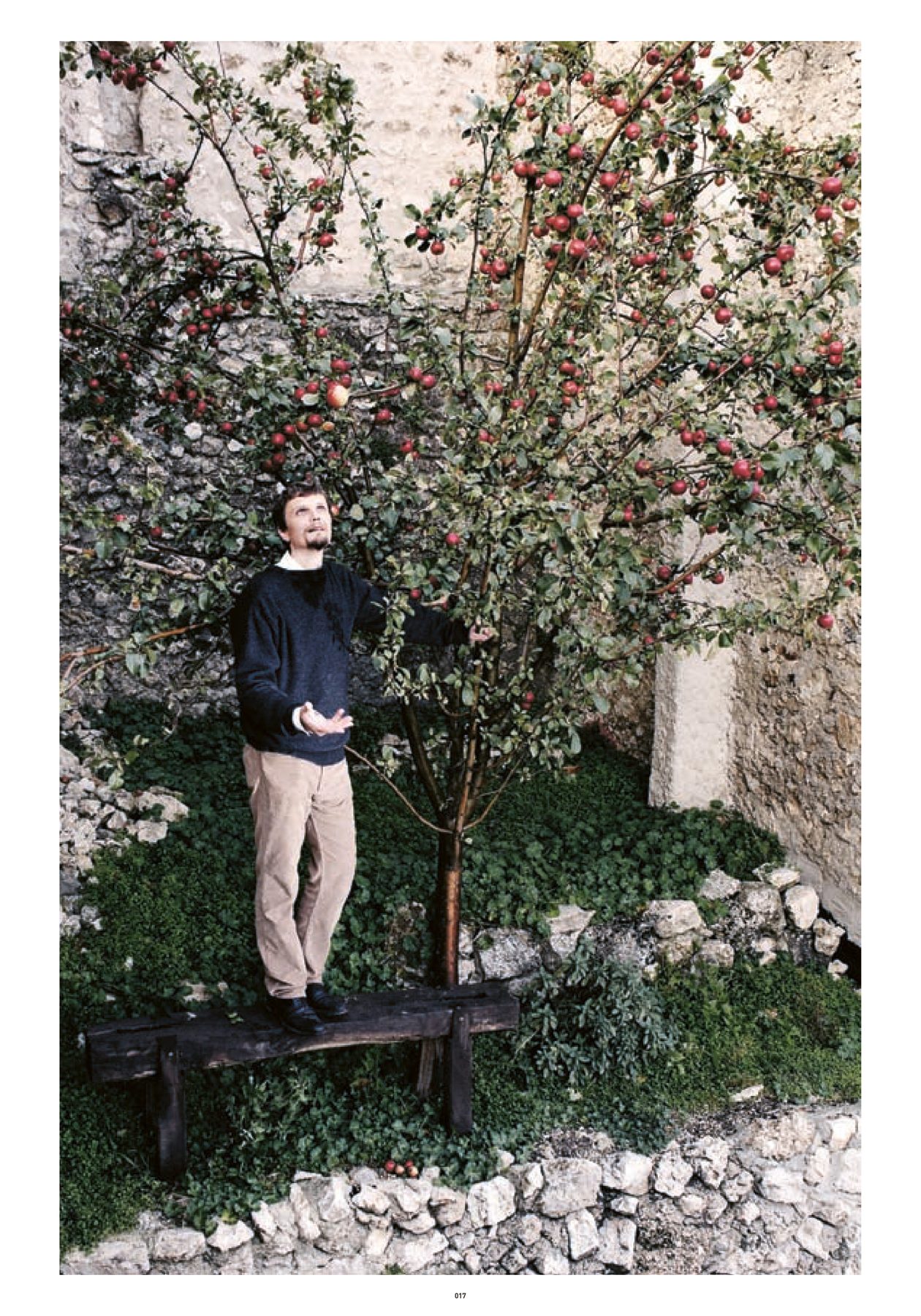
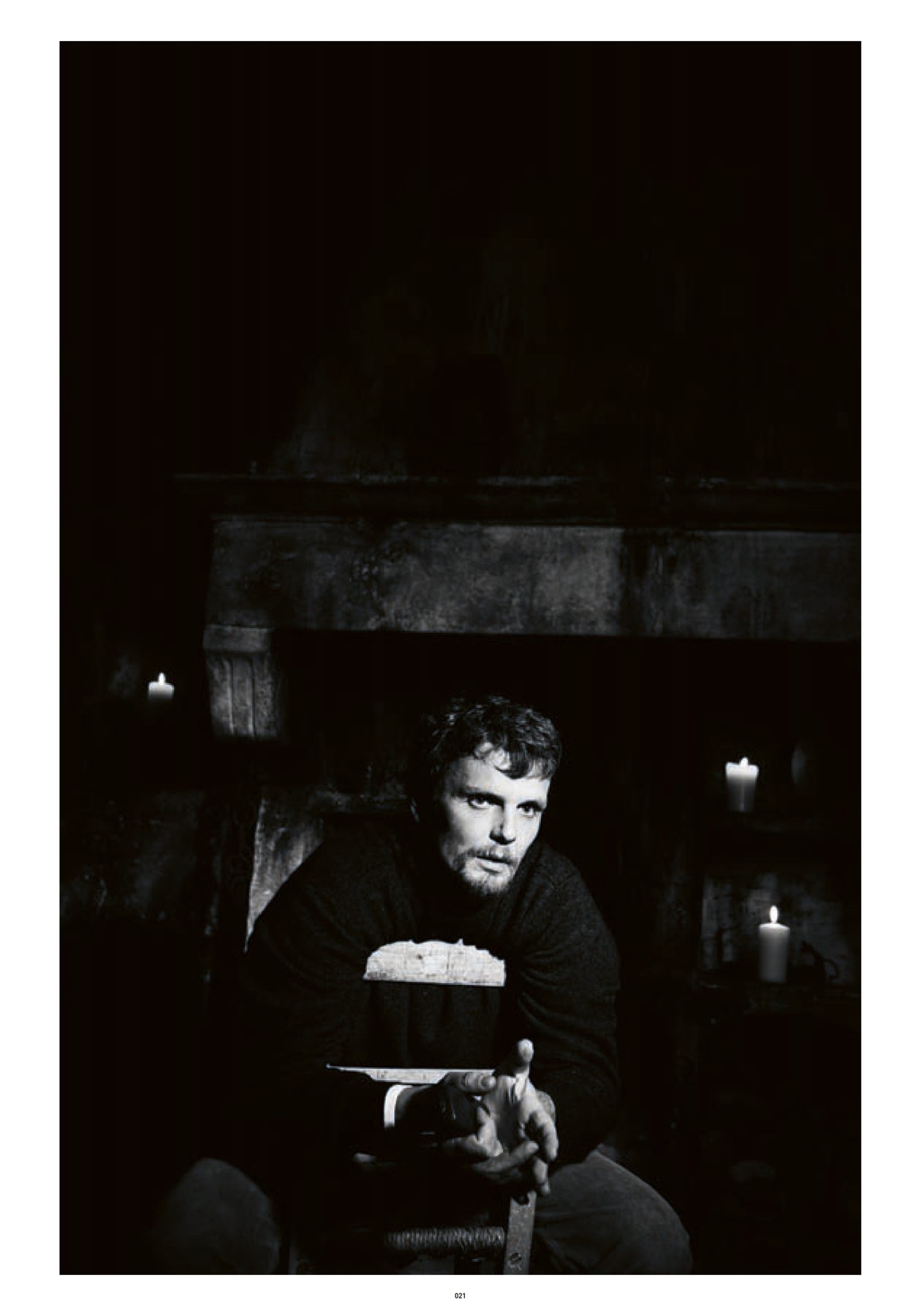
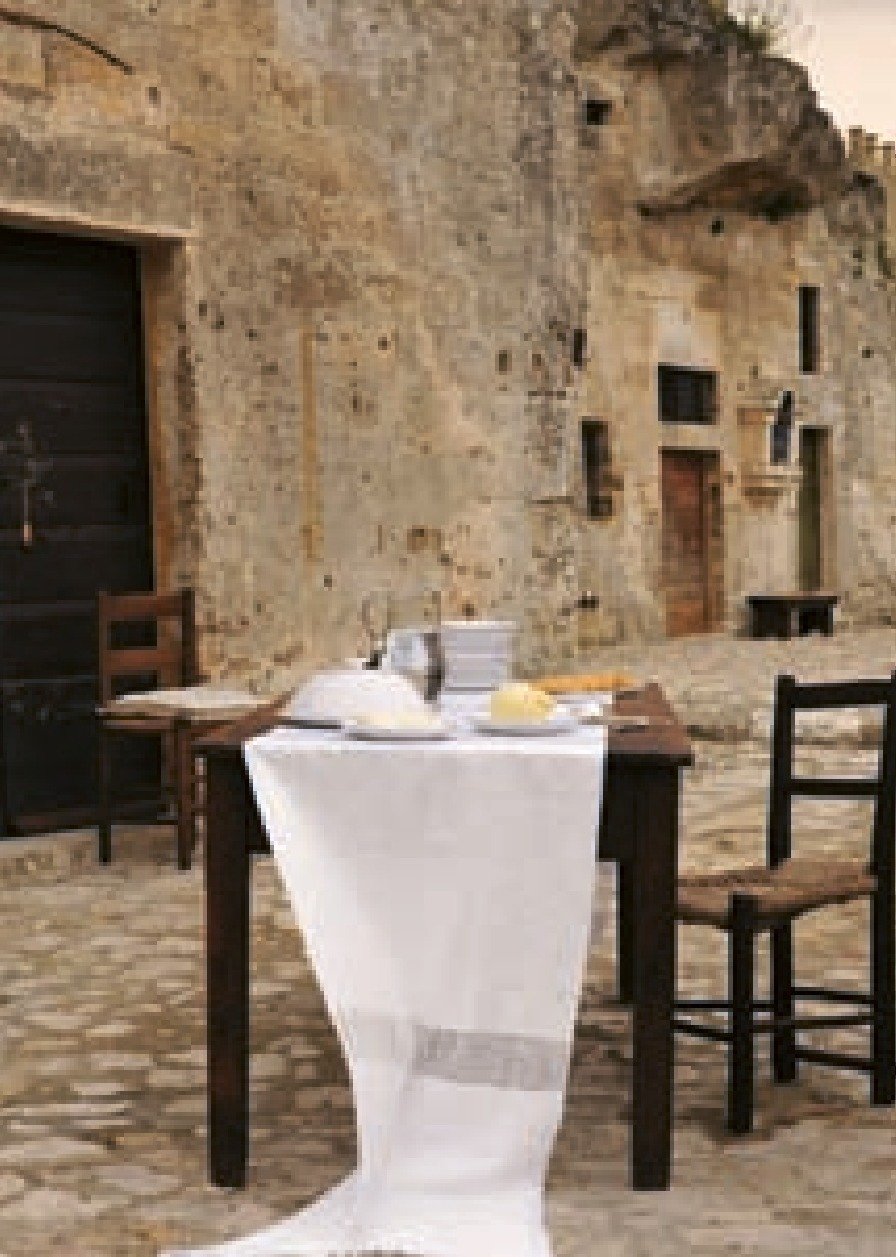
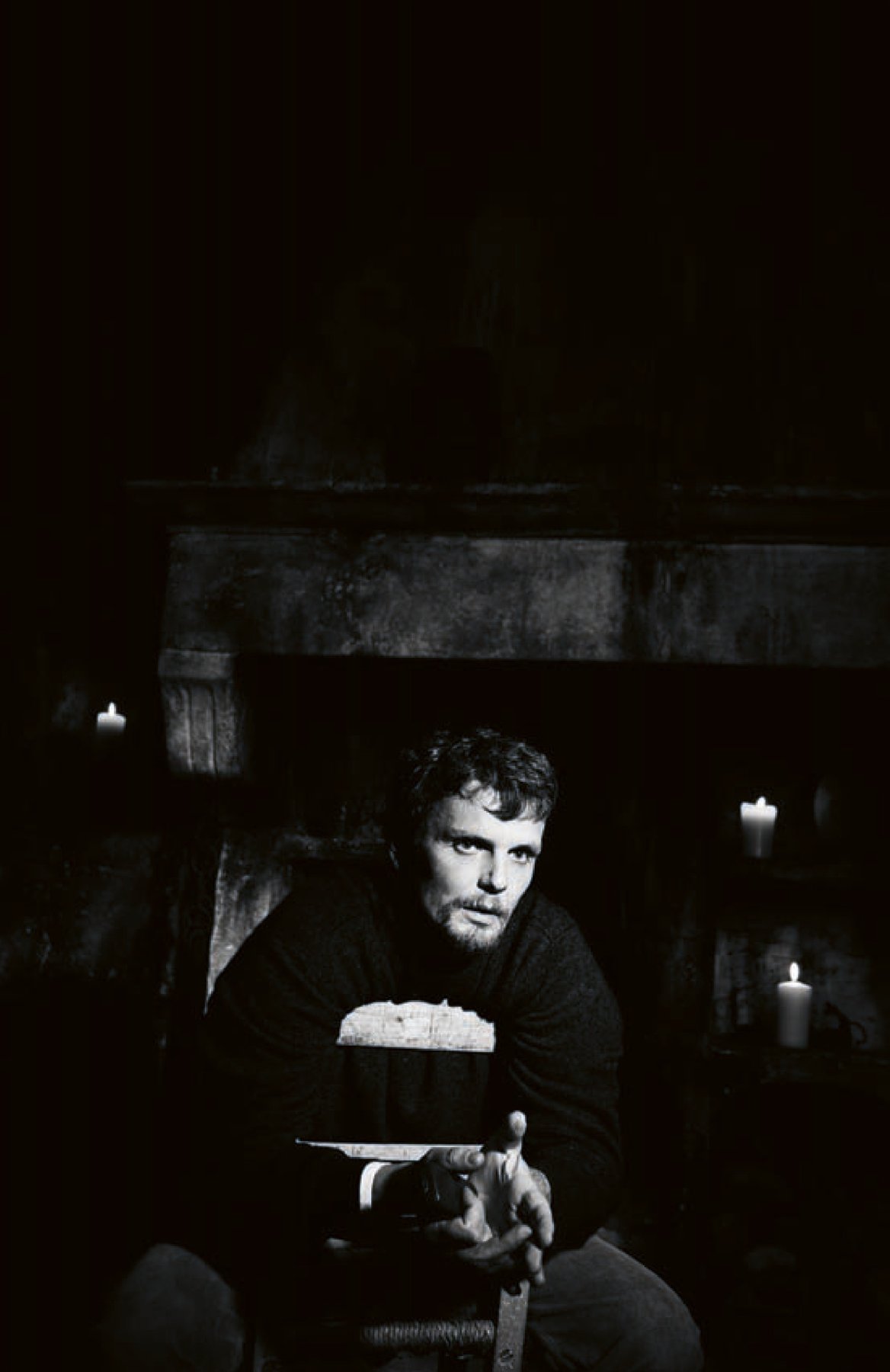
Daniele Kihlgren could be described as the modern “Rasputin of Hospitality.” The lexicon he uses when referring to the project is more reminiscent of that of a pastor’s sermon than the jargon of a real-estate developer. The figures he draws in the air with his hands as he gesticulates – his eyes oscillating in and out of a distant gaze – the fervent manner of speech he adopts when talking about Sextantio Albergo Diffuso in Santo Stefano, the Sextantio The Civita Caves in Matera or any of his other projects, of which there are currently at least ten, all meld to complete the essence of a passionate and inspiring modern-day hero.
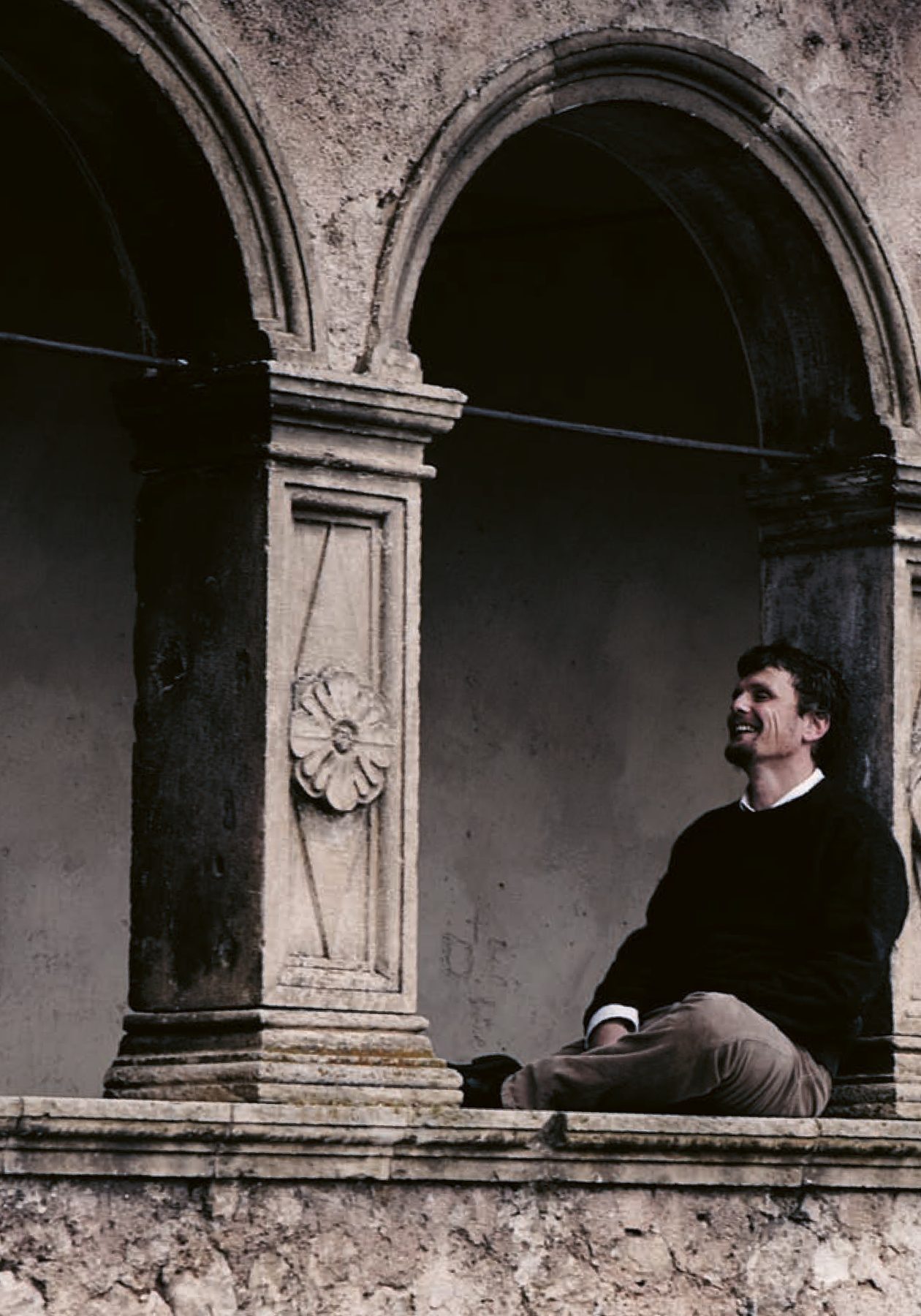
“My guests resemble me,” he states while opening the window of a Renaissance palazzo, unveiling a breathtaking vista of the valley below. “You might call them ‘modern-age Romantics,’ in the literary sense of the word. They are people who suffer from mal d’Italie, who are in love with Italy’s arcane rural heritage, which often is overshadowed by the country’s classical and Renaissance masterworks. People who started feeling uneasy in a Tuscany irreparably marked by ‘Chiantishire-ization.’ People who long for originality.”

Photography Steve Herud
By Michele Fossi
Published in Design Hotels – Made by Originals, December 2009